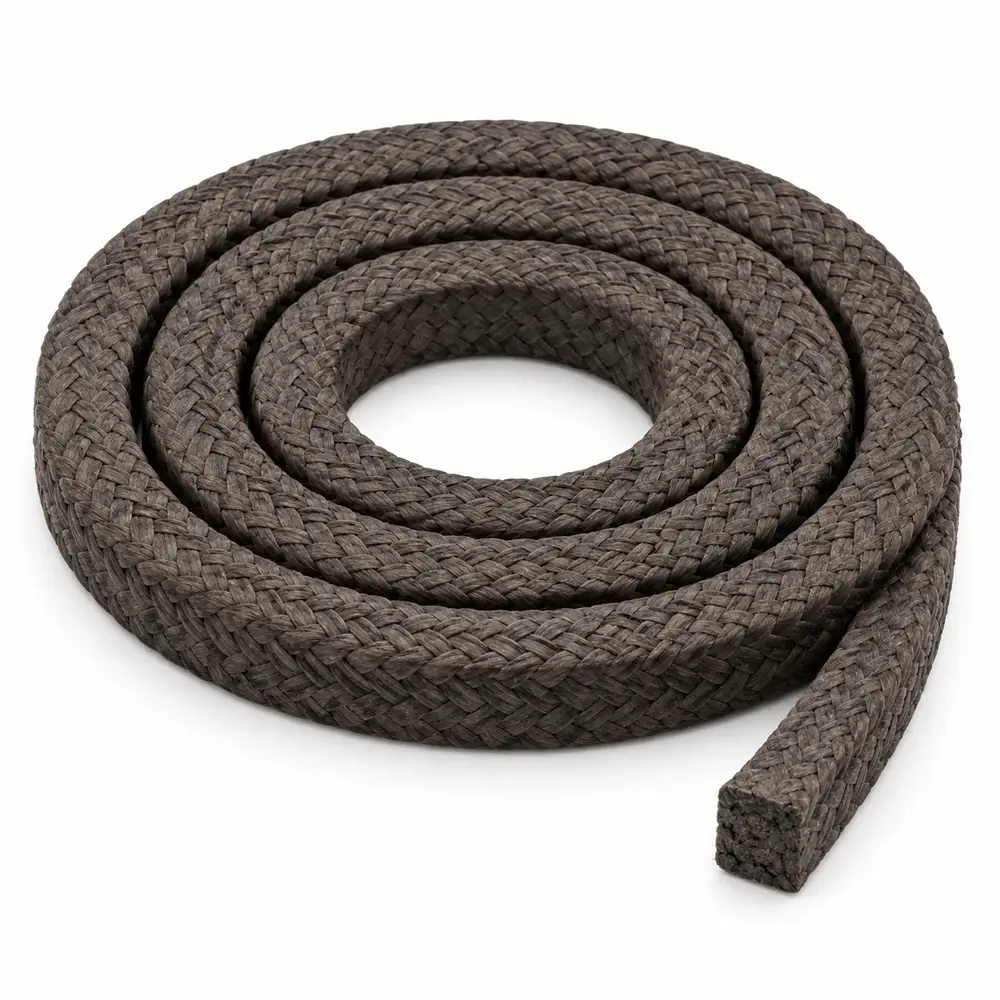
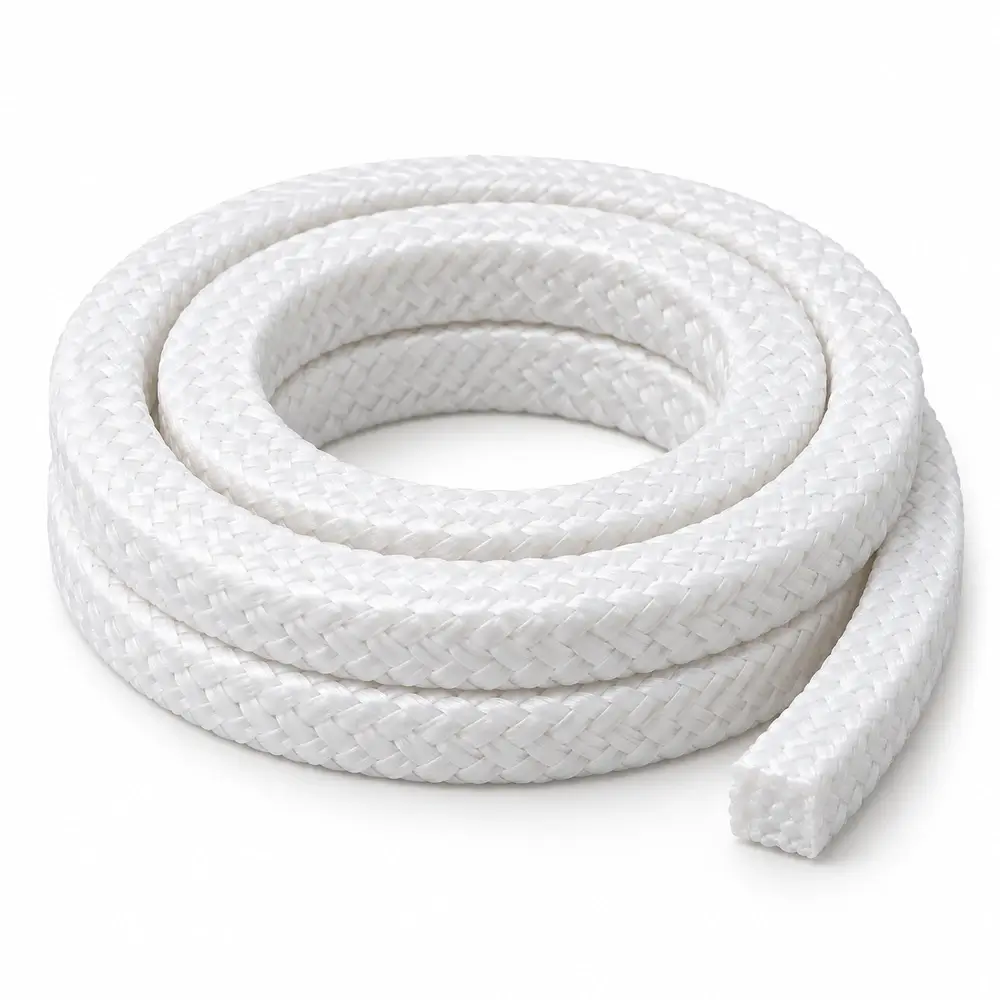
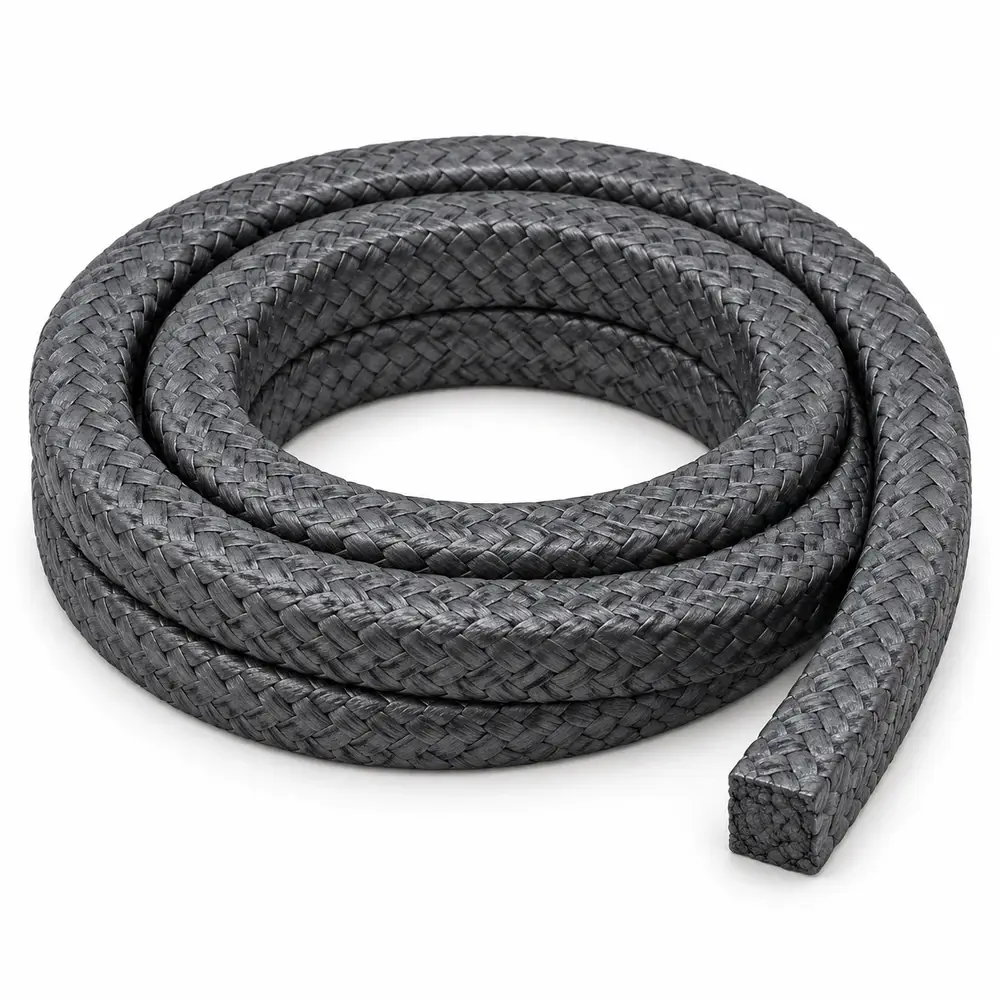
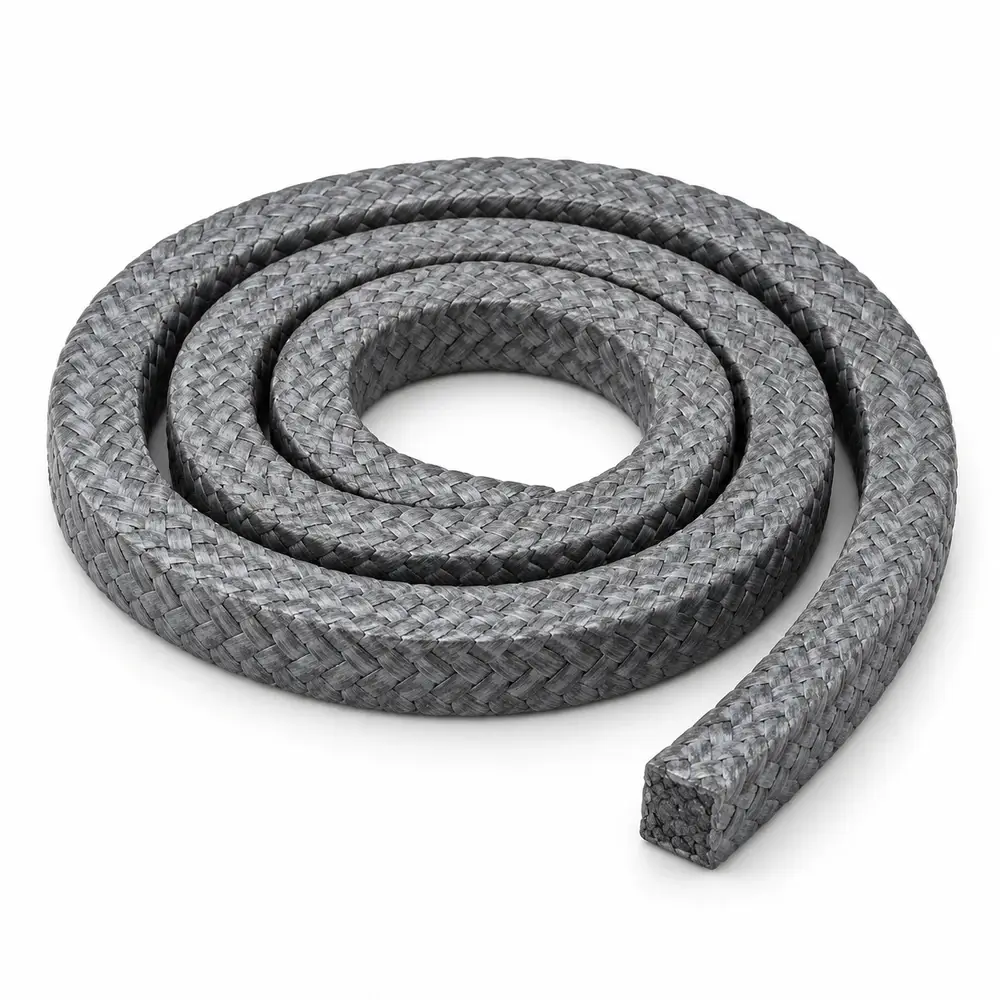
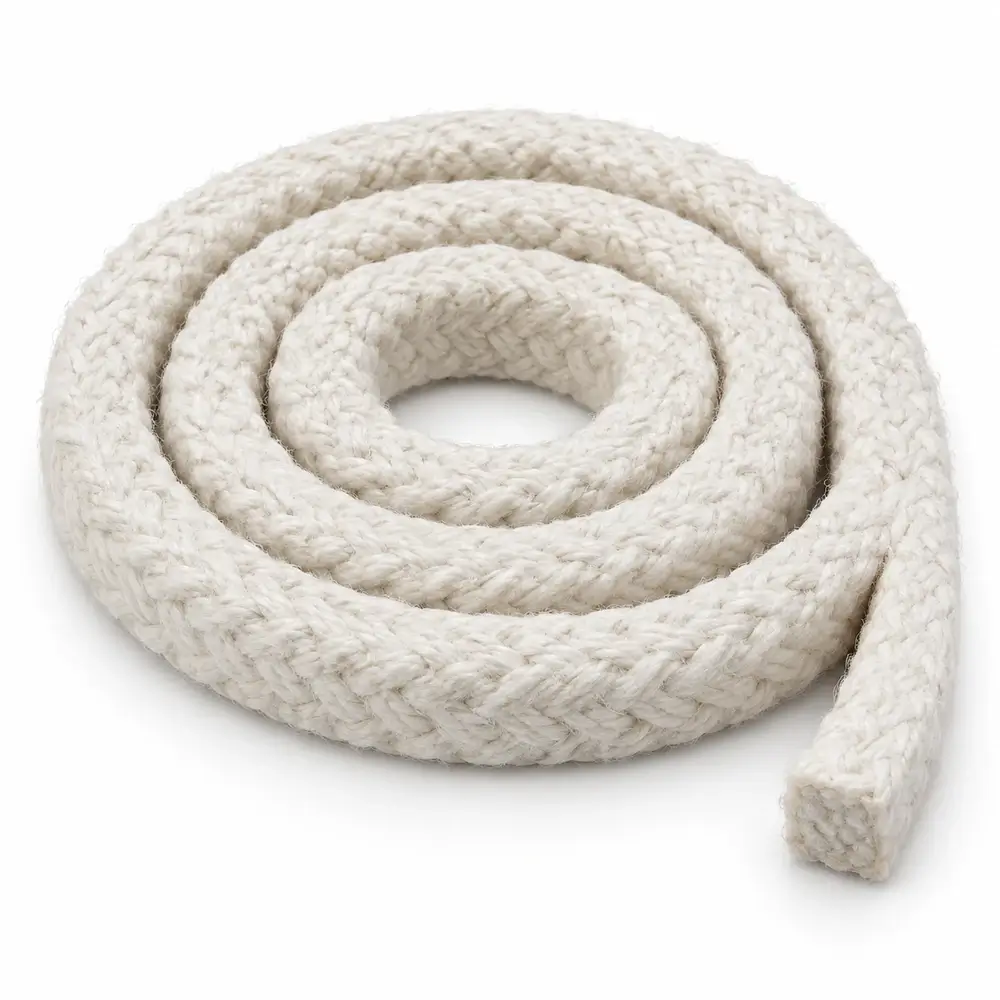
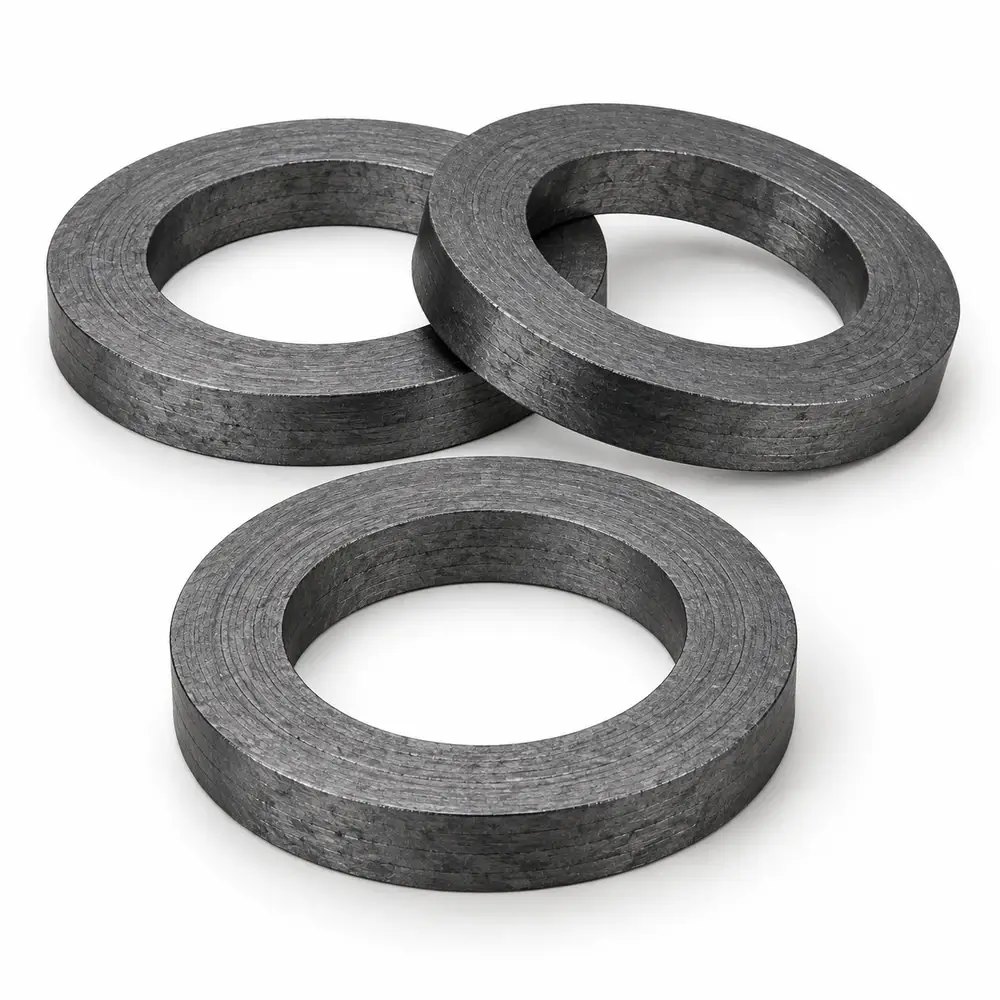
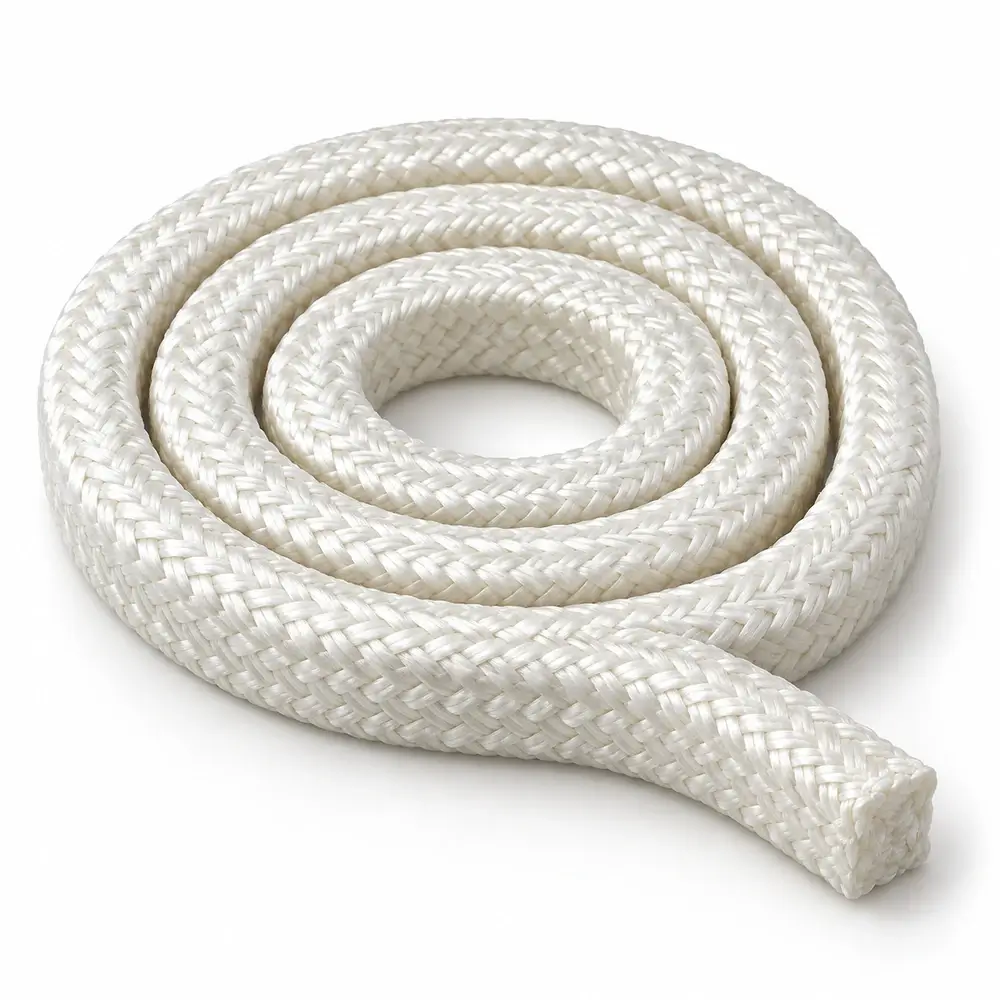
At 2:00 a.m., a maintenance lead sees a thin plume of steam rising from a valve stem gland and knows the shift is about to change. The pump on the next line is weeping at the stuffing box, the spare parts cabinet is nearly empty, and the plant still has six hours of production to protect. That is the moment when a low-cost packing roll stops looking cheap. What Are the Main Advantages of Mineral Fiber Packing for Industrial Valves and Pumps? The answer is not a slogan; it is a practical mix of heat resistance, stable friction, chemical tolerance, asbestos-free compliance, and dependable gland control when operators cannot afford repeated shutdowns. Mineral fiber packing is built from inorganic fibers, often reinforced with graphite, PTFE, or silicone lubrication, and braided into a compression packing that can be cut to length and installed in valve stems, pump shafts, expansion joints, and agitator seals. For buyers comparing quotations, the real advantage is predictability: a specified density, braid structure, lubrication level, chloride content, and temperature range make it easier to match the packing to the service instead of guessing from a catalog photo. Ningbo Kaxite Sealing Materials Co., Ltd. supports that buying decision with application-focused mineral fiber packing options, practical installation guidance, and export-ready documentation for industrial maintenance teams. When a leak is climbing the packing ring and the next shutdown window is already locked, the right mineral fiber packing is not just a component; it is breathing room for the whole maintenance plan.
What Are the Main Advantages of Mineral Fiber Packing for Industrial Valves and Pumps?
Pain scenario: A plant changes a valve stem packing during a short outage, then sees the gland start to weep again after only a few thermal cycles. Maintenance teams blame installation, purchasing blames the supplier, and the store room fills with half-used rolls that all look similar but behave differently. The hidden cost is not the packing itself; it is the labor, steam loss, product contamination, and repeated isolation of the line.
Solution: Mineral fiber packing gives buyers a high-temperature, asbestos-free compression packing option with a measurable specification. The right grade combines inorganic mineral fiber with a controlled braid, selected lubrication, and a defined density so the packing can form a stable seal without excessive gland torque. For industrial valves and pumps, this means better tolerance to heat, less tendency to harden into a brittle ring, and a more predictable installation envelope when crews are working under time pressure.
Buyer Priority
Why It Matters
Mineral Fiber Packing Advantage
Specification to Confirm
High-temperature sealing
Steam and hot-oil valves can harden ordinary packing
Inorganic fiber structure supports hot service with selected impregnation
Temperature range, impregnation type, recommended service media
Asbestos-free compliance
Procurement must protect workers and meet import rules
Mineral fiber is an asbestos-free alternative when documented correctly
Material declaration, SDS, asbestos-free statement
Gland control
Over-tightening causes friction, heat, and shaft wear
Balanced density and lubrication support controlled compression
Pump leakage can contaminate product or attack packing
Graphite or PTFE impregnation can be selected for the duty
pH range, chloride content, media compatibility
Supply consistency
Mixed rolls create installation variation
Batch-controlled braid, size, and finish reduce guesswork
Braid structure, cross-section tolerance, roll length
Why Thermal Cycling Turns Gland Leakage into a Procurement Problem
Pain scenario: A steam valve heats up during the day and cools at night. The packing expands, the gland follows, and by the third cycle the operator is tightening the nuts again. A hard, dry packing ring may glaze the stem, while a soft ring may extrude from the gland. Both outcomes create the same purchasing problem: urgent replacement orders, inconsistent brands, and no clear record of what worked.
Solution: Mineral fiber packing with a well-controlled braid and suitable lubrication can absorb thermal movement more evenly than a brittle, low-specification packing. Buyers should treat temperature, pressure, stem finish, and gland clearance as one package. A packing that is excellent for static steam service may not suit a rotary pump shaft with runout, so the selection should follow the application instead of the lowest price per kilogram.
Thermal Challenge
Common Failure Signal
Mineral Fiber Packing Response
Purchasing Check
Repeated heat-up and cool-down
Gland nuts need frequent retightening
Flexible braid and selected lubrication help maintain compression
Temperature cycle range and recommended installation clearance
Stem or shaft scoring
Visible wear marks under packing rings
Balanced friction reduces aggressive tightening
Friction/lubrication data and shaft surface finish requirement
Steam loss
Visible plume at valve stem
Good conformability supports a stable seal after break-in
Steam service rating, density, and cut-ring installation method
Chemical attack
Packing becomes soft, swollen, or crumbly
Graphite or PTFE impregnation can be matched to media
pH, chloride level, and media concentration
How Mineral Fiber Packing Performs in Steam, Pump, and Slurry Service
Pain scenario: A procurement officer receives three quotations for pump gland packing. One supplier offers a low-chloride grade, another offers graphite-impregnated braid, and a third sends a general-purpose roll with no technical sheet. The maintenance team needs a reliable seal, but the buyer cannot compare the offers because the parameters are incomplete. This is where mineral fiber packing can either solve the problem or become another inventory item that nobody trusts.
Solution: Use the service conditions to narrow the specification before comparing price. For steam valves, confirm temperature and pressure. For pumps, confirm shaft speed, media, solids content, and stuffing box pressure. For slurry or abrasive duty, review braid tightness and the risk of fiber pull-out. Ningbo Kaxite Sealing Materials Co., Ltd. can help translate those conditions into a practical mineral fiber packing recommendation, including braid type, lubrication, and size range.
Service
Typical Buying Concern
Recommended Focus
Parameter to Confirm
Steam valve stem
Heat hardening and steam leakage
High-temperature mineral fiber with suitable impregnation
Tight braid and application review before selection
Solids content, particle size, flush plan
Expansion joint or static seal
Compression set and thermal movement
Mineral fiber packing sized to the gland
Gap dimensions, temperature, media
Which Specifications Should Buyers Confirm Before Ordering Mineral Fiber Packing?
Pain scenario: A buyer orders a mineral fiber packing roll by size alone. The delivery arrives, but the density is lower than expected, the braid is loose, and the lubrication feels inconsistent. Installation takes longer, the gland needs more adjustment, and the next purchase order includes a rush fee for a different brand. The lesson is simple: in compression packing, a size is not a specification.
Solution: Build a one-page purchasing specification that includes the service media, temperature, pressure, pH, shaft speed, density, braid structure, lubrication, chloride content, and asbestos-free documentation. Ask for a technical data sheet with typical values and confirm that the values are appropriate for the actual duty. This approach helps procurement teams compare offers on sealing performance and supply reliability, not only on the unit price of a roll.
Parameter
Typical Mineral Fiber Packing Range
Why the Buyer Should Confirm It
Temperature
Approximately -50°C to 650°C, depending on grade and impregnation
Prevents selecting a packing that hardens or degrades in the line
pH range
Commonly 4–12 for selected grades
Chemical compatibility affects swelling, strength, and service life
Pressure
Application-dependent; confirm valve, pump, or static duty
Pump and valve glands experience different compression and movement
Density
Typically around 1.1–1.3 g/cm³, grade-dependent
Density influences gland compression, leakage control, and friction
Tensile strength
Typically ≥8 MPa for many industrial grades
Supports handling, cutting, and resistance to pull-out
Thermal conductivity
Typically about 0.1–0.2 W/m·K
Heat dissipation matters in pump glands and high-temperature valves
Chloride content
Low-chloride grades available; confirm ppm limit
Critical for stainless steel shafts and sensitive processes
Asbestos content
None; request written declaration
Supports compliance, worker safety, and import clearance
Braid structure
Square braid or interlocked braid, depending on application
Braid affects dimensional stability and handling during installation
Size range
Commonly 3–25 mm cross-section, subject to supplier
Must match gland dimensions and cutting tolerance
How Ningbo Kaxite Sealing Materials Co., Ltd. Removes Guesswork from Valve and Pump Sealing
Pain scenario: A purchasing team needs a sealing material that can pass technical review, arrive on schedule, and support a maintenance team that cannot afford trial-and-error. The supplier must understand the difference between a valve stem gland and a pump stuffing box, and must provide consistent documentation for repeat orders. Without that support, the buyer becomes the middle person between an urgent leak and a supplier who only sends a price list.
Solution: Ningbo Kaxite Sealing Materials Co., Ltd. works with industrial buyers on application-focused sealing materials, including mineral fiber packing for valves, pumps, and related equipment. The company can review operating conditions, recommend a suitable braid and impregnation, and provide export-ready product information. For procurement teams, this reduces back-and-forth, improves repeat-order consistency, and helps avoid the cost of an unsuitable roll sitting in the warehouse.
Procurement Need
Kaxite Support
Buyer Benefit
Application matching
Review of media, temperature, pressure, pH, and shaft speed
Better fit between packing grade and actual service
Documentation
Product data, asbestos-free statement, and packing details
Easier technical approval and supplier comparison
Repeat orders
Consistent specification and size communication
Less variation between maintenance campaigns
Export supply
Support for international buyers and shipping details
Clearer planning for overseas procurement
Q&A: What Are the Main Advantages of Mineral Fiber Packing for Industrial Valves and Pumps?
Q: What Are the Main Advantages of Mineral Fiber Packing for Industrial Valves and Pumps?
A: The main advantages are high-temperature tolerance, asbestos-free construction, good compression and conformability, selection flexibility through graphite or PTFE impregnation, and reliable performance in valve stem and pump gland service when the grade is matched to the application. For buyers, the practical benefit is a packing that can be specified by temperature, pH, pressure, density, braid, and chloride level instead of being bought as a generic roll. Mineral fiber packing is not a universal answer for every chemical or high-speed pump duty, so the advantage is greatest when the supplier reviews the operating conditions and recommends the correct construction.
Q&A: What Should Procurement Teams Compare Beyond Price When Buying Mineral Fiber Packing?
Q: What should procurement teams compare beyond price when buying mineral fiber packing?
A: Compare the technical data sheet, temperature and pH range, density, tensile strength, chloride content, braid structure, lubrication type, size tolerance, asbestos-free documentation, and supplier response time. Also compare installation support and repeat-order consistency. A low-cost packing that requires frequent gland adjustment can cost more in labor and downtime than a properly specified product. Ask suppliers to state the recommended service conditions clearly, and keep those details on the purchase order so every delivery matches the approved specification.
A Practical Procurement Checklist for Mineral Fiber Packing
Pain scenario: The maintenance window is fixed, the valve is isolated, and the store room sends a packing roll without the technical sheet. The crew installs it, but the gland runs hot or leaks during startup. The buyer then has to trace the batch, explain the specification, and arrange a replacement while production waits. A simple checklist prevents this sequence.
Solution: Use a short checklist before releasing any mineral fiber packing order. Confirm the equipment type, media, temperature, pressure, pH, shaft speed, gland dimensions, packing cross-section, and required documentation. Record the approved brand and grade, and ask for installation guidance such as ring cutting, staggering joints, and controlled gland tightening. This makes the purchase repeatable and gives maintenance a clear reference for the next shutdown.
Checklist Item
What to Record
Why It Prevents Rework
Equipment
Valve, pump, agitator, expansion joint, or static seal
Different motion and compression profiles require different packing choices
Media
Steam, water, oil, solvent, slurry, or chemical solution
Media drives pH and impregnation selection
Conditions
Temperature, pressure, shaft speed, and cycle pattern
Prevents using a general-purpose roll outside its comfort zone
Gland dimensions
Cross-section, stuffing box depth, shaft diameter
Ensures correct ring size and quantity
Documentation
Data sheet, asbestos-free statement, batch details
Supports technical approval and traceability
Installation
Cut method, joint stagger, gland torque guidance
Reduces leakage caused by poor installation
Ningbo Kaxite Sealing Materials Co., Ltd. is a sealing materials supplier focused on practical packing and gasket solutions for industrial valves, pumps, and rotating equipment. Through https://www.vegetable-fiber-packing.com, buyers can review product options and send application details such as media, temperature, pressure, shaft speed, pH, and gland dimensions. For a fast quotation or technical discussion, contact [email protected]; share the operating conditions and the team can help match mineral fiber packing, braid structure, and lubrication to the job.
Research References
Smith, J. A., and Patel, R., 2018, Evaluation of Asbestos-Free Compression Packing in High-Temperature Valve Service, Journal of Industrial Sealing Technology, 42(3).
Chen, L., Wang, H., and Zhou, M., 2019, Tribological Behavior of Mineral Fiber Braided Packing under Thermal Cycling, Tribology Transactions, 62(5).
Kumar, S., and Andersen, P., 2017, Leakage Control in Pump Stuffing Boxes Using Inorganic Fiber Packing, Pump Engineering Review, 29(2).
Garcia, M., Lopez, R., and Torres, A., 2020, Effect of Impregnation on the Compression Recovery of Mineral Fiber Packing, Journal of Materials for Fluid Systems, 15(4).
Wilson, D. R., 2016, Practical Selection Criteria for Valve Stem Packing in Steam Plants, Process Safety and Maintenance, 11(1).
Zhang, Y., Liu, Q., and Sun, P., 2021, Friction and Wear of Graphite-Impregnated Mineral Fiber Packing against Stainless Steel Shafts, Wear and Sealing Materials, 48(7).
Brown, K. E., and Miller, T., 2015, Asbestos Substitution in Industrial Gland Packing: A Review of Mineral Fiber Alternatives, Sealing Science and Engineering, 8(2).
Ibrahim, N., and Hassan, F., 2022, Chloride Content and Corrosion Risk in Low-Chloride Compression Packing, Corrosion Engineering Practice, 37(6).
Petrov, A., and Ivanova, E., 2019, Thermal Conductivity and Heat Dissipation in Braided Packing Rings, International Journal of Fluid Machinery, 24(3).
Nakamura, H., Sato, K., and Mori, T., 2018, Installation Effects on Gland Packing Performance in Centrifugal Pumps, Journal of Maintenance Engineering, 19(4).
We use cookies to offer you a better browsing experience, analyze site traffic and personalize content. By using this site, you agree to our use of cookies. Privacy Policy