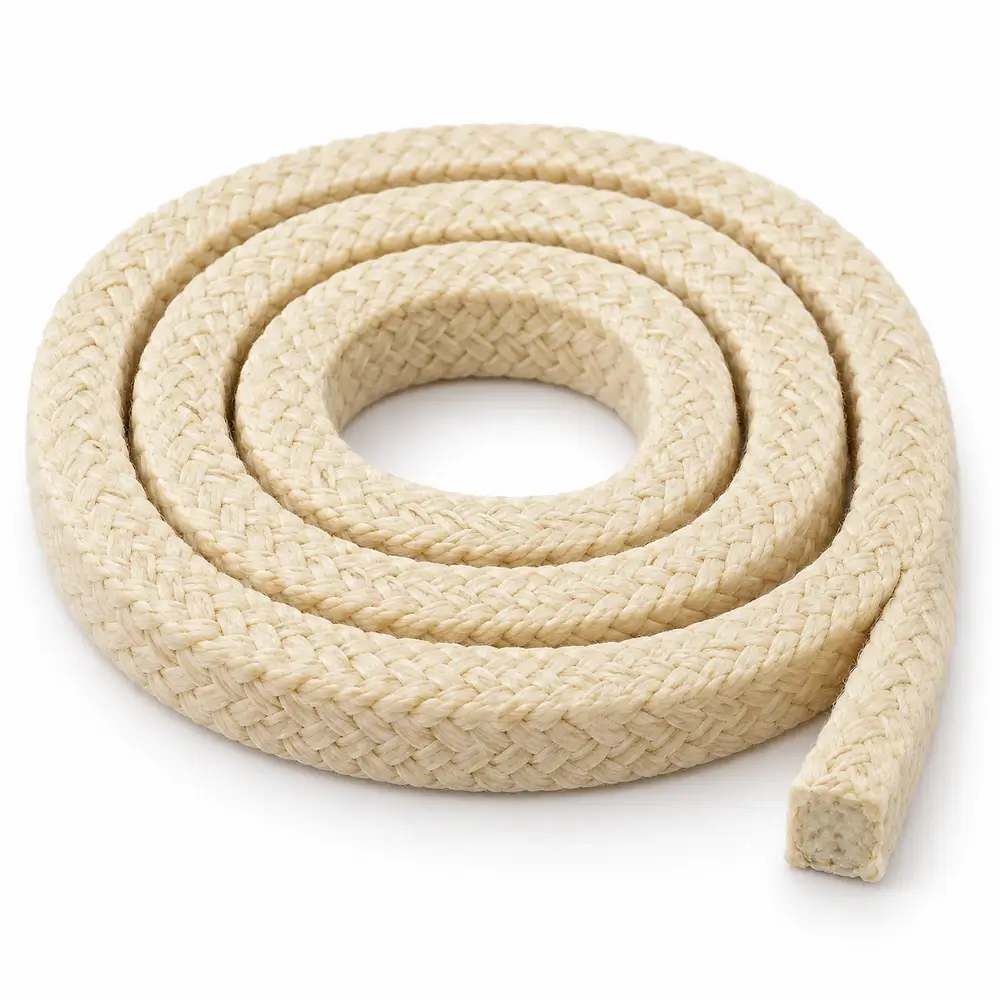
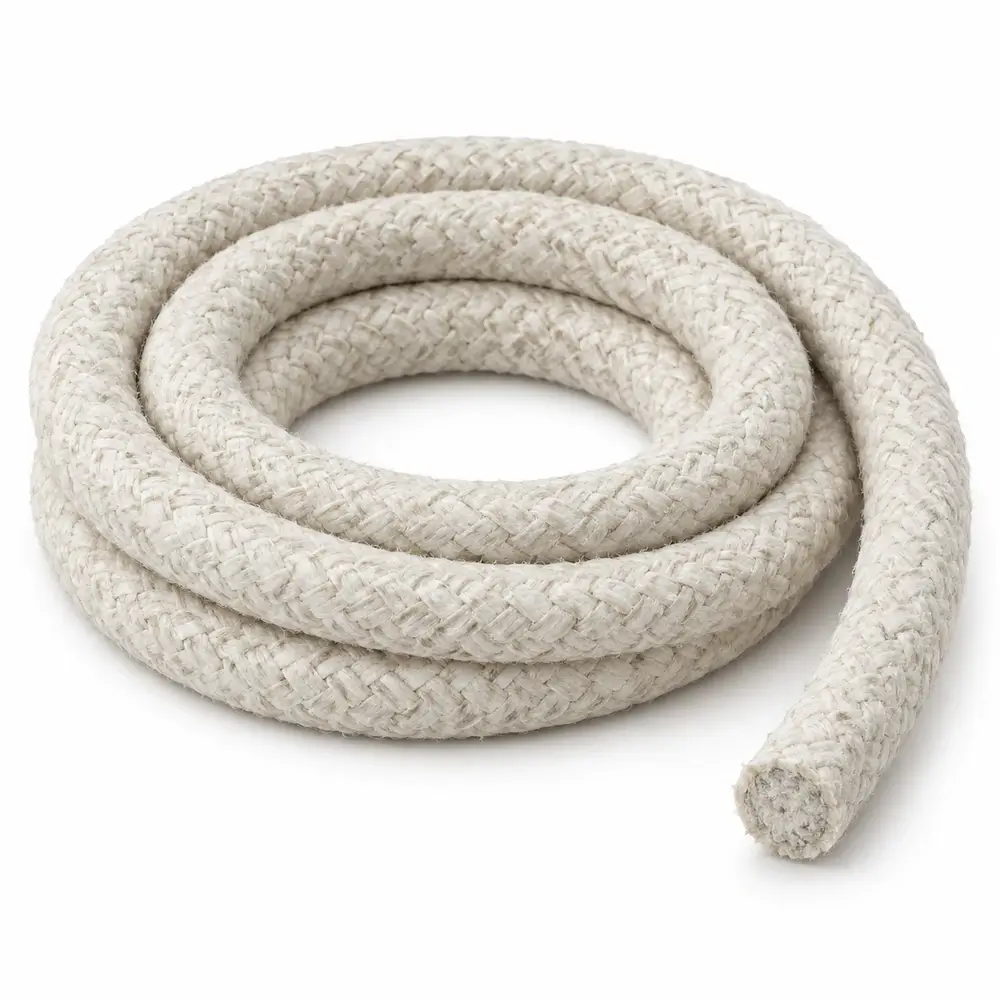
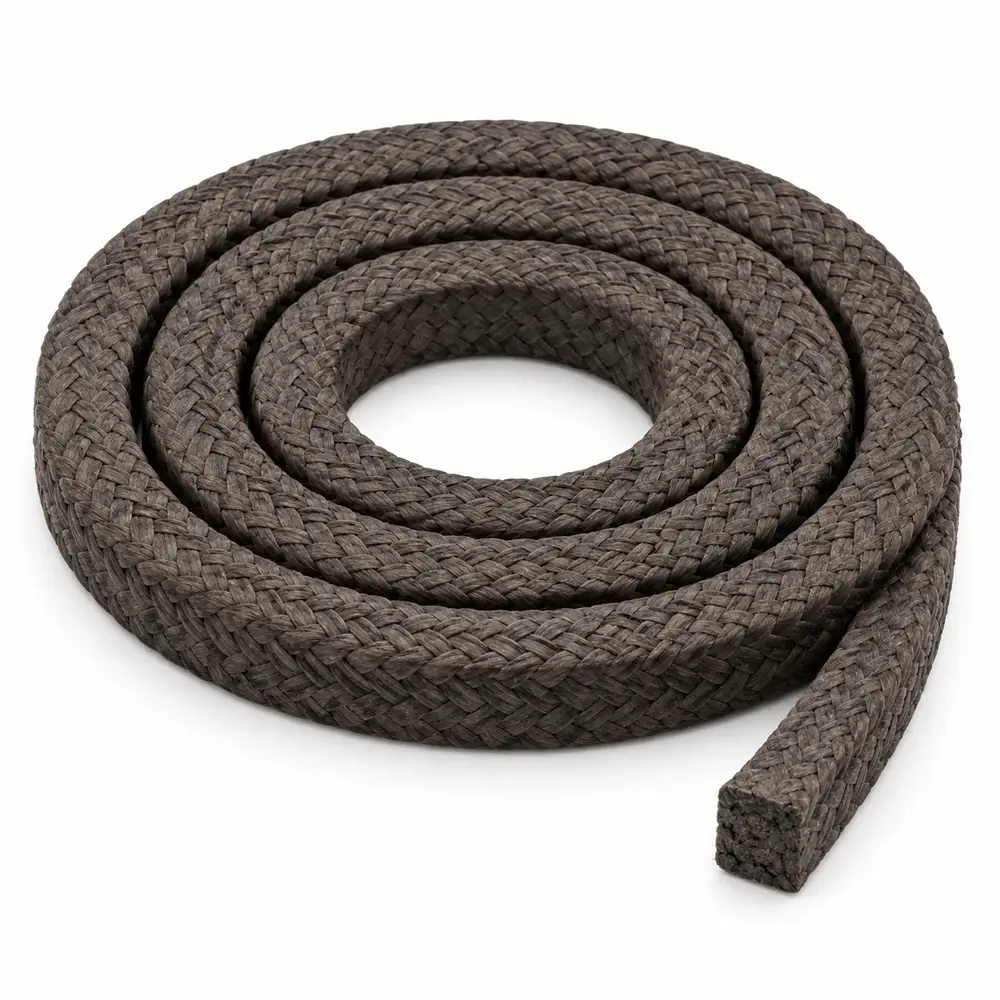
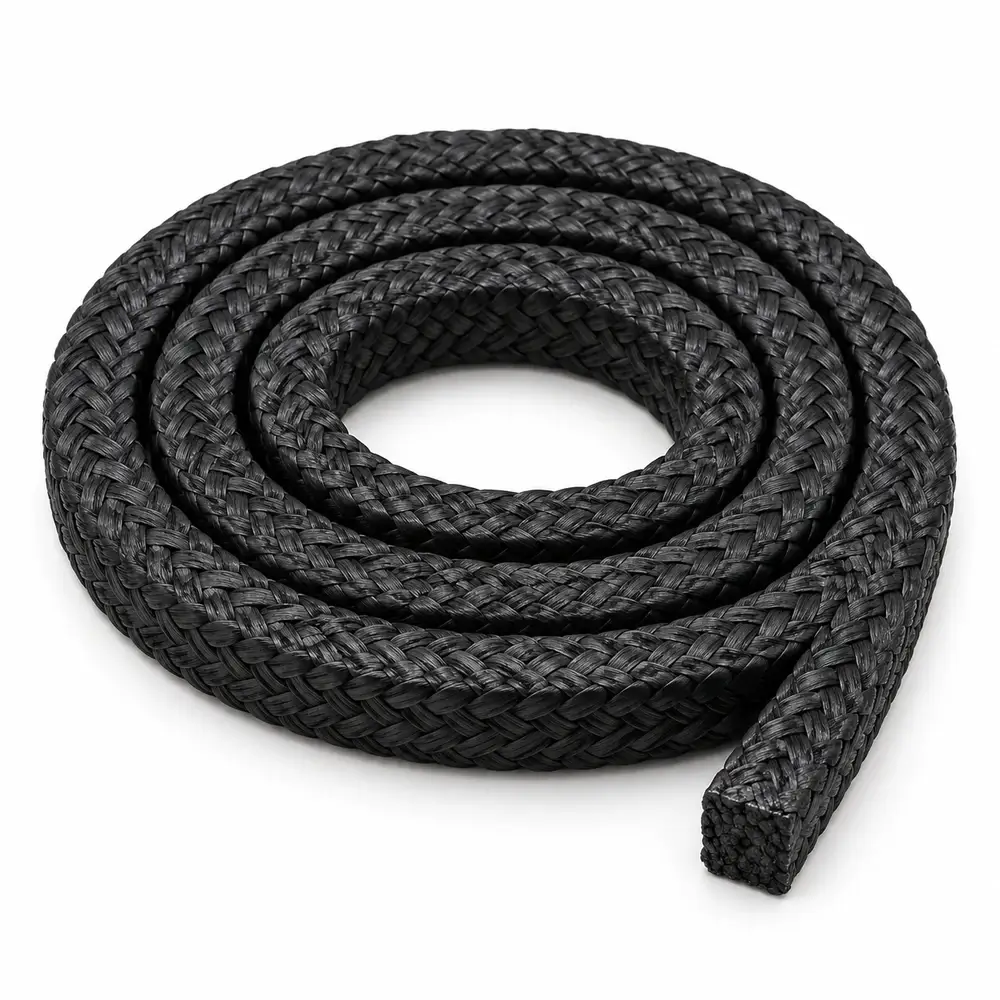
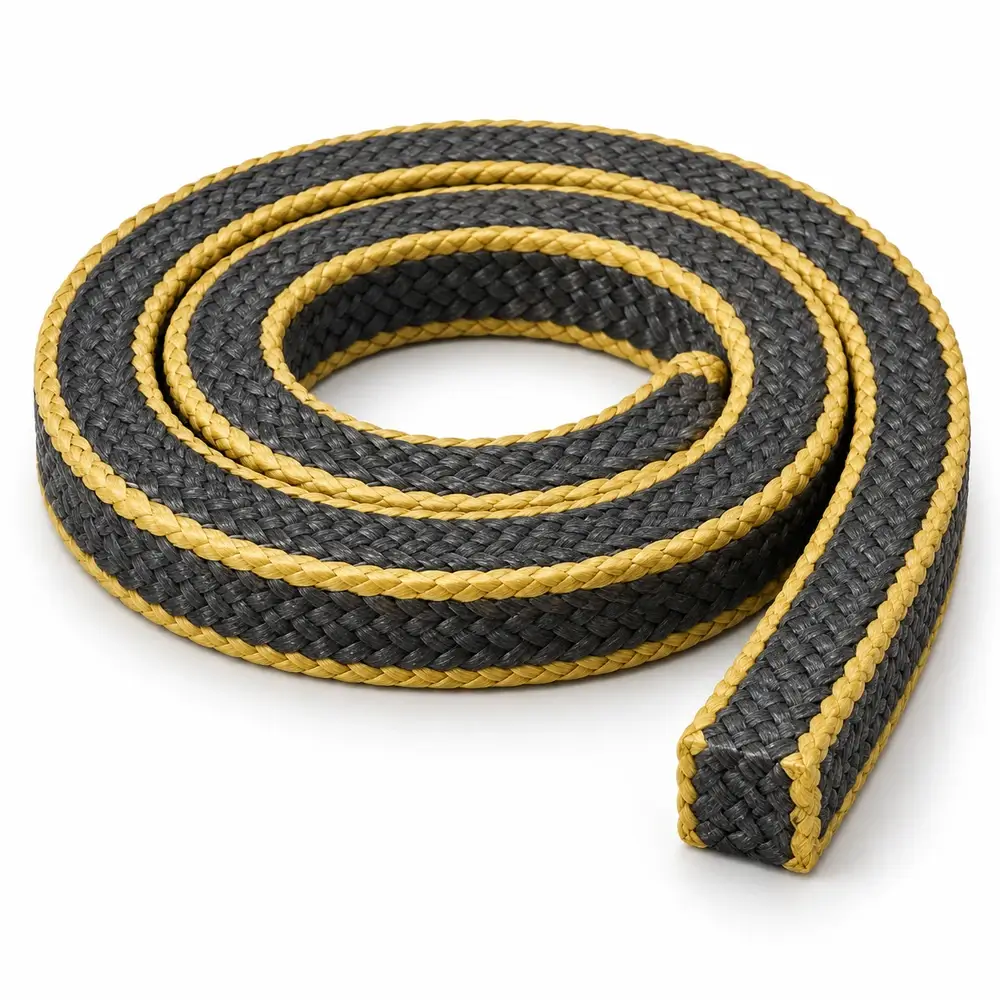
What Are the Main Benefits of Graphite Packing? For a maintenance planner facing a steam valve that keeps weeping, or a procurement officer comparing quotes for a chemical plant turnaround, the question is not academic. It is a cost, safety, and schedule decision. Graphite Packing delivers a rare mix of heat resistance, chemical durability, low friction, and dependable compression sealing. Flexible graphite remains compliant when stainless steel stems and housings expand at different rates, so glands stay tight through thermal cycling. It also resists many acids, alkalis, solvents, and steam without the embrittlement that can shorten the life of ordinary packings. Ningbo Kaxite Sealing Materials Co., Ltd. supplies braided graphite packing for pumps, valves, and reactors, with a focus on uniform density, low ash content, and export-ready documentation. The main benefits are high-temperature stability, broad chemical resistance, low shaft wear, strong leakage control, and lower total maintenance cost. When the next shutdown is already scheduled, choosing the right packing grade can prevent a second outage and reduce spare-part pressure. The sections below turn those benefits into buyer criteria, table parameters, and questions that help procurement teams compare suppliers with confidence.
Field reality: A steam header valve is tightened on Monday, weeps by Thursday, and leaves a visible plume during a weekend shutdown check. The gland is not always the culprit. Ordinary packing can harden, shrink, or lose compression when the stem and stuffing box expand at different rates. Repeated tightening then increases friction and stem wear.
Practical answer: Flexible graphite packing is made from exfoliated graphite and remains pliable under heat. In steam and inert service, graphite packing can operate up to about 650°C; in air, oxidation lowers the practical ceiling, so media and exposure must be confirmed. Ningbo Kaxite Sealing Materials Co., Ltd. controls braid structure and density so fitters can reach the recommended compression without over-tightening. For procurement, ask for temperature limits by media, not just a single headline figure.
| Parameter | Typical Graphite Packing Range | Procurement Check |
|---|---|---|
| Service temperature | -200°C to 650°C in steam/inert; lower in air | Confirm continuous versus excursion conditions |
| Thermal conductivity | 5–15 W/m·K | Helps move frictional heat away from the gland |
| Ash content | ≤ 0.5% for low-ash grades | Lower ash reduces stem and shaft scoring risk |
| Density | 1.0–1.3 g/cm³ | Match gland geometry and torque guidance |
| Compression | 15–30% | Check installation instructions and spacer rings |
Field reality: A chemical plant stores one packing for caustic service, another for solvent lines, and a third for steam tracing. Inventory grows, fitters mix coils, and a wrong pick becomes a leak report. Strong oxidizers are a separate issue and must never be treated like ordinary acids.
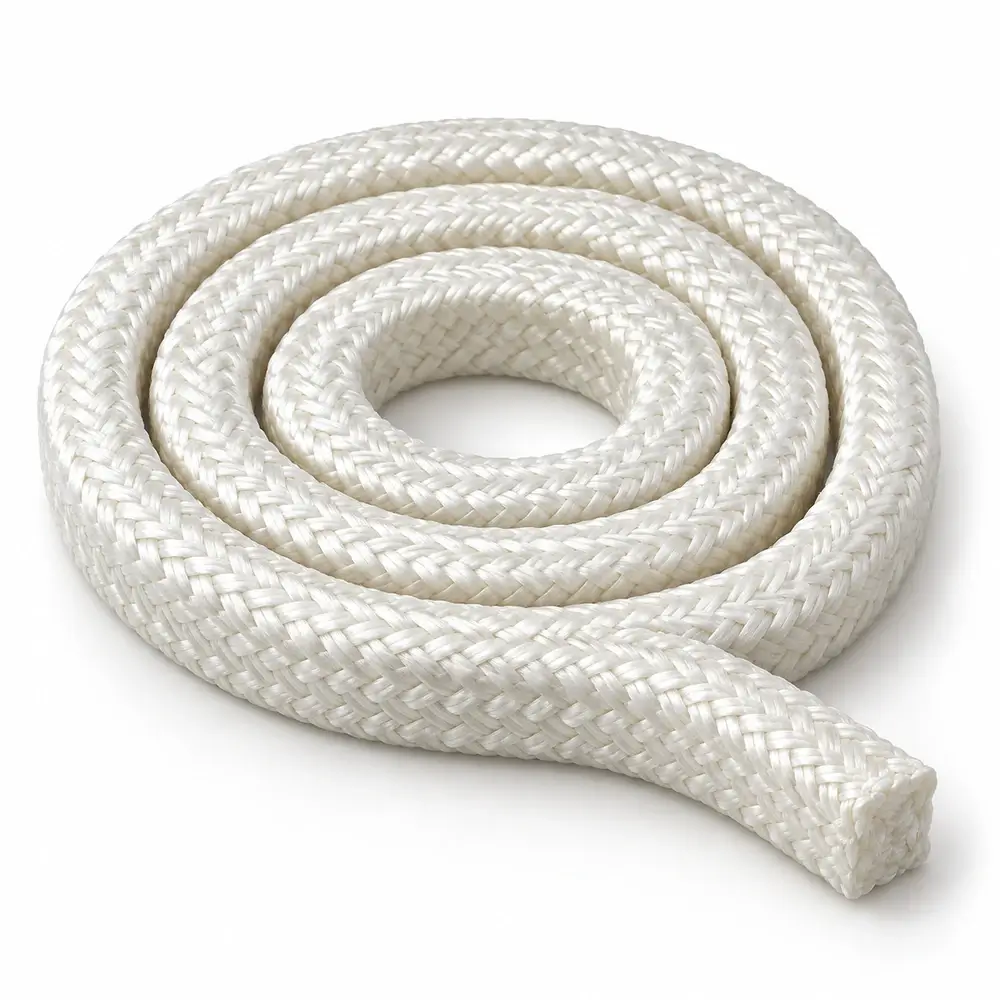
Practical answer: Graphite packing is chemically inert across a wide pH range and resists many non-oxidizing acids, alkalis, solvents, oils, and steam. It is not a universal answer for concentrated oxidizers such as nitric acid or hot chromic acid. Buyers should match media concentration, temperature, and aeration to the grade. Ningbo Kaxite Sealing Materials Co., Ltd. can review application details and recommend a packing family that reduces duplicate stock while keeping critical lines covered.
| Media | Graphite Packing Resistance | Buyer Note |
|---|---|---|
| Steam and water | Excellent | Confirm air exposure during shutdown |
| Alkalis | Excellent | Check concentration and temperature |
| Non-oxidizing acids | Good to excellent | Validate with media data sheet |
| Oils and solvents | Excellent | Confirm compatibility with lubricants |
| Strong oxidizers | Not recommended | Select a different sealing material |
Field reality: A pump packing set that runs hot can polish a shaft, raise motor current, and force a rework during the next maintenance window. The maintenance team may blame the operator, while the operator blames the gland. The hidden cause is often friction and poor heat removal at the packing-shaft interface.
Practical answer: Graphite is self-lubricating, so braided graphite packing generally runs with lower friction than many dry packings. That can reduce gland torque, help control frictional heat, and protect shaft sleeves when installation clearances and runout are correct. Surface speed, shaft hardness, and flush plans still matter. Ningbo Kaxite Sealing Materials Co., Ltd. supports buyers with grade selection and installation guidance so the packing is not asked to compensate for worn sleeves or misalignment.
| Parameter | Typical Value | Operational Benefit |
|---|---|---|
| Friction coefficient | 0.10–0.16 | Lower gland torque in many applications |
| Lubrication | Graphite is self-lubricating | Less dependence on external lubricant |
| Shaft wear tendency | Low when correctly installed | Helps extend sleeve life |
| Surface speed | Application dependent | Confirm with pump and gland design |
| Gland load | Moderate, avoid over-tightening | Reduces heat and friction at start-up |
Field reality: A valve that passes a visual check can still fail an emissions audit. Procurement teams are increasingly asked to provide test evidence, not just a material description. A low-cost packing that requires repeated adjustment can erase the original saving within one turnaround.
Practical answer: Graphite packing forms a dense, compliant seal under gland compression and maintains contact as equipment moves. Qualified grades can be tested to recognized packing and valve stem standards such as API 622 and ISO 15848-1, depending on the product family and supplier documentation. Buyers should request the actual test scope, packing size, and test media. Ningbo Kaxite Sealing Materials Co., Ltd. helps buyers align the requested documentation with the application so the purchase order reflects the plant's real acceptance criteria.
| Test or Criterion | What It Covers | Procurement Value |
|---|---|---|
| API 622 | Packing qualification for fugitive emissions | Useful for valve stem packing review |
| ISO 15848-1 | Valve stem sealing performance classes | Supports emissions planning |
| Leakage class | Measured leakage under defined conditions | Compare like-for-like test reports |
| Gland adjustment | Ability to maintain compression | Reduces callbacks between rounds |
| Media-specific validation | Steam, solvent, or chemical exposure | Avoids transferring air-test data to steam |
Field reality: The lowest quotation can become the most expensive packing when it arrives with inconsistent density, requires extra gland adjustment, or fails before the next planned outage. Maintenance labor, production loss, and safety reviews often outweigh the packing line item.
Practical answer: A graphite packing program should be judged on total cost of ownership: installation time, adjustment frequency, shaft or stem condition, spare inventory, and documentation. Consistent coils reduce fitter error. Clear temperature and media guidance reduce misapplication. Ningbo Kaxite Sealing Materials Co., Ltd. supports repeat orders with stable specifications and export-ready documents, helping procurement teams move from emergency buying to planned replenishment.
| Cost Factor | Hidden Impact | Buyer Action |
|---|---|---|
| Installation labor | Poor density control adds fitting time | Ask for density and compression guidance |
| Adjustment calls | Repeated gland tightening consumes shifts | Review leakage and torque instructions |
| Shaft or stem wear | Rework can exceed packing cost | Check ash content and friction data |
| Inventory duplication | Too many grades tie up cash | Map media and temperature across lines |
| Documentation gaps | Delayed acceptance at site | Confirm test reports before shipment |
Field reality: A purchase order that lists only “graphite packing, 10 mm” leaves too much room for mismatch. Two suppliers can offer the same nominal size with different braid, density, lubrication, and ash content. The result is a sample that passes one line and underperforms on another.
Practical answer: Build a short application profile before requesting a quote. Include equipment type, media, concentration, temperature, pressure, shaft speed, stem diameter, gland depth, and any emissions or documentation requirement. Ningbo Kaxite Sealing Materials Co., Ltd. can use that profile to recommend a braided graphite packing grade and avoid over-specifying expensive features where they are not needed.
| Application | Key Selection Focus | Parameter to Confirm |
|---|---|---|
| Steam valve | Temperature, oxidation, emissions | Steam temperature and air exposure |
| Chemical pump | Media resistance, shaft speed | pH, concentration, flush plan |
| Reactor agitator | Compression set, gland access | Pressure and maintenance window |
| Rotary equipment | Friction, heat removal | Surface speed and runout |
| Export order | Documents, consistency, packaging | Test reports and coil labeling |
PTFE packing can be a good fit for many chemical services at moderate temperatures, but it has a lower thermal ceiling and can creep or cold-flow under load. Graphite packing is usually preferred when steam, heat-transfer oils, or high-temperature process lines are involved. The trade-off is that graphite is not recommended for strong oxidizers, and installation must avoid over-tightening. For a pump near its temperature limit, request both material options with media-specific limits from Ningbo Kaxite Sealing Materials Co., Ltd. and compare total maintenance cost, not only piece price.
Ask for the material data sheet, temperature and media limits, density and ash content, recommended compression, and any applicable test report such as API 622 or ISO 15848-1 for the exact product family. Confirm packing size, braid construction, and packaging labels. If the plant has an emissions target, state the required test scope in the inquiry. Ningbo Kaxite Sealing Materials Co., Ltd. can provide export-ready product information and help match the requested documents to the application so receiving inspection and site acceptance run without surprises.
For buyers comparing graphite packing suppliers, Ningbo Kaxite Sealing Materials Co., Ltd. offers a practical route from sample approval to repeat order. The company supplies braided graphite packing, expanded graphite products, and industrial sealing materials for pumps, valves, and reactors, with attention to density consistency, clean raw materials, and export-ready documentation. Buyers can review product details at https://www.vegetable-fiber-packing.com, request data sheets, or send application details to [email protected]. Share the media, temperature, pressure, shaft speed, and gland dimensions, and the team can recommend a graphite packing grade that fits the maintenance window and procurement budget.
Chung, D. D. L. (2002). Review graphite. Journal of Materials Science, 37(8).
Chung, D. D. L. (1987). Exfoliation of graphite. Journal of Materials Science, 22(12).
Celzard, A., Marêché, J. F., & Furdin, G. (2005). Modelling of exfoliated graphite. Progress in Materials Science, 50(1).
Sengupta, R., Bhattacharya, M., Bandyopadhyay, S., & Bhowmick, A. K. (2011). A review on the mechanical and electrical properties of graphite and modified graphite reinforced polymer composites. Progress in Polymer Science, 36(5).
Diany, M., & Bouzid, A. H. (2009). Evaluation of contact stress in bolted flange joints. Journal of Pressure Vessel Technology, 131(6).
Bouzid, A. H., & Diany, M. (2007). Thermal effects on the sealing performance of bolted flange joints. Journal of Pressure Vessel Technology, 129(2).
Nau, B. S. (1999). Mechanical seal practice for improved performance. Proceedings of the Institution of Mechanical Engineers, Part J: Journal of Engineering Tribology, 213(3).
Flitney, R. K. (2007). Seals and sealing handbook. Elsevier/Butterworth-Heinemann.
Kawahara, T., & Tanaka, K. (2012). Leakage characteristics of gland packing under high-temperature steam conditions. Journal of Pressure Vessel Technology, 134(3).
Zhang, Y., Li, J., & Wang, H. (2019). Tribological behavior of flexible graphite packing under high-temperature steam. Tribology International, 132.
-
-