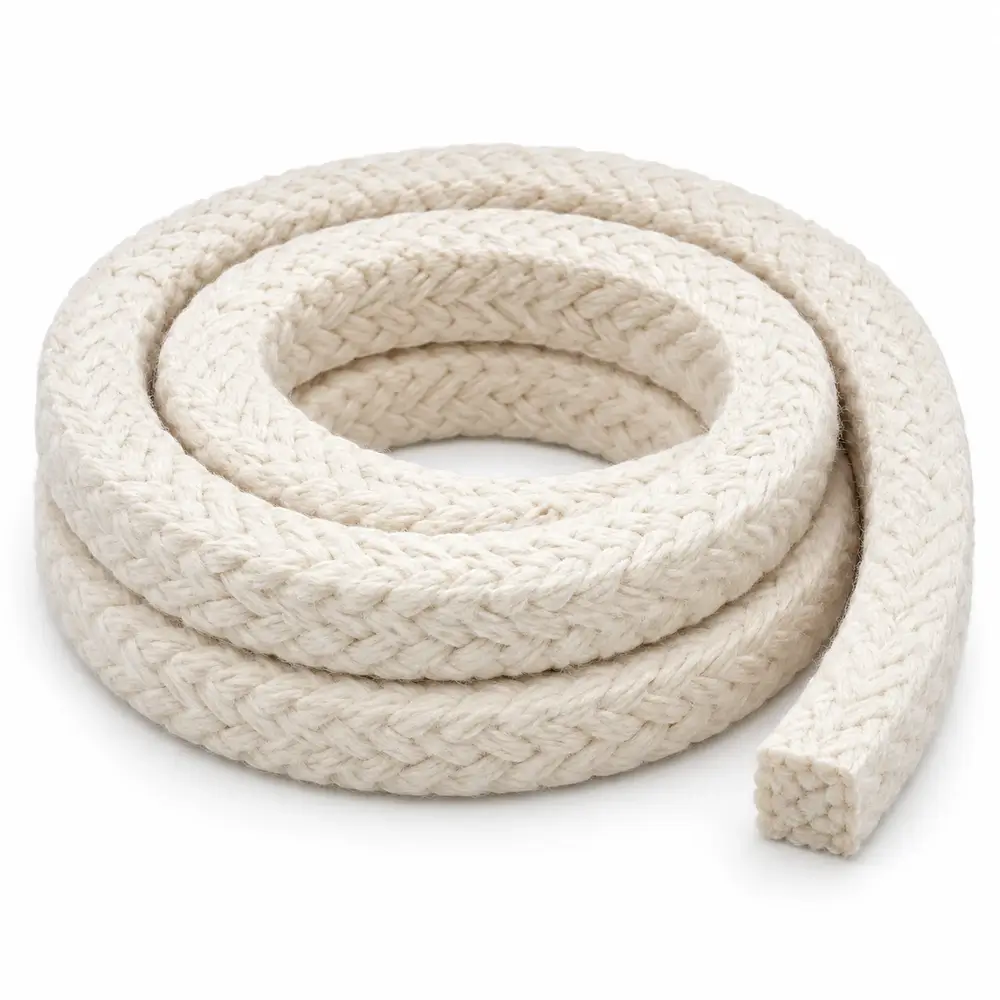
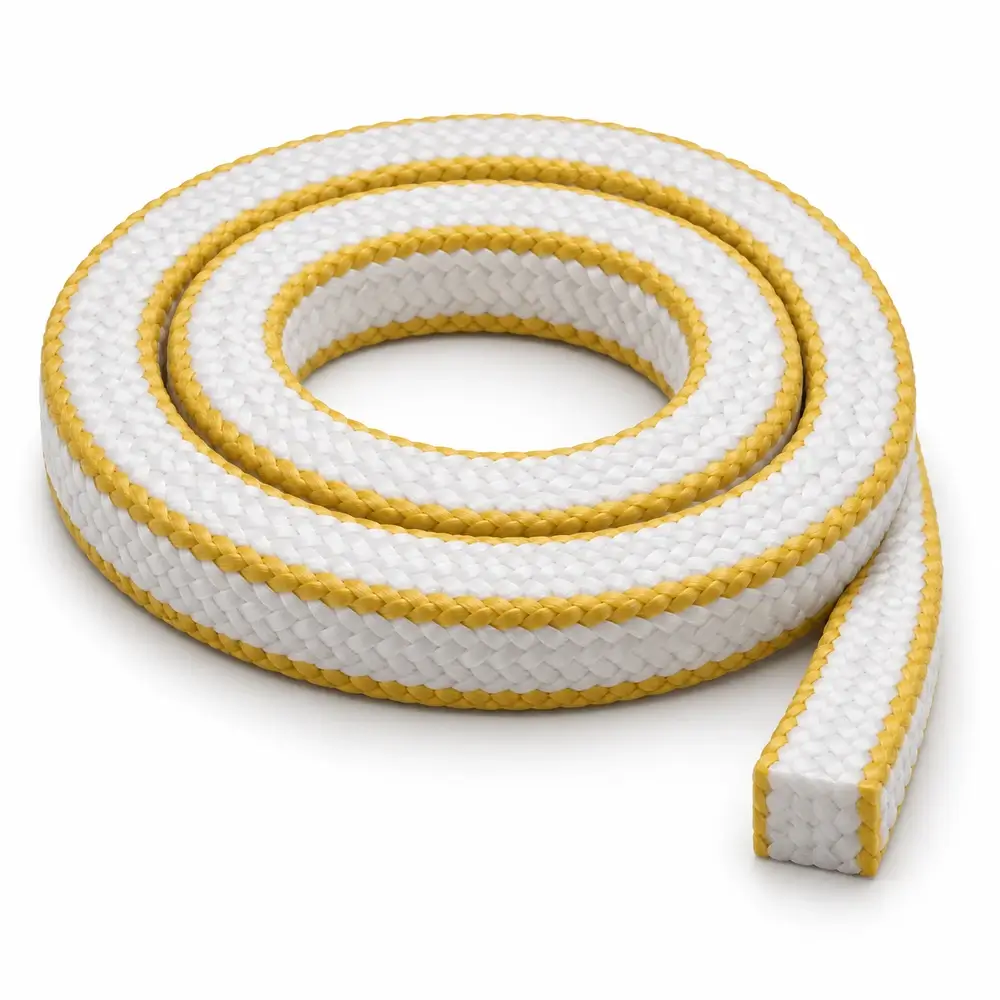
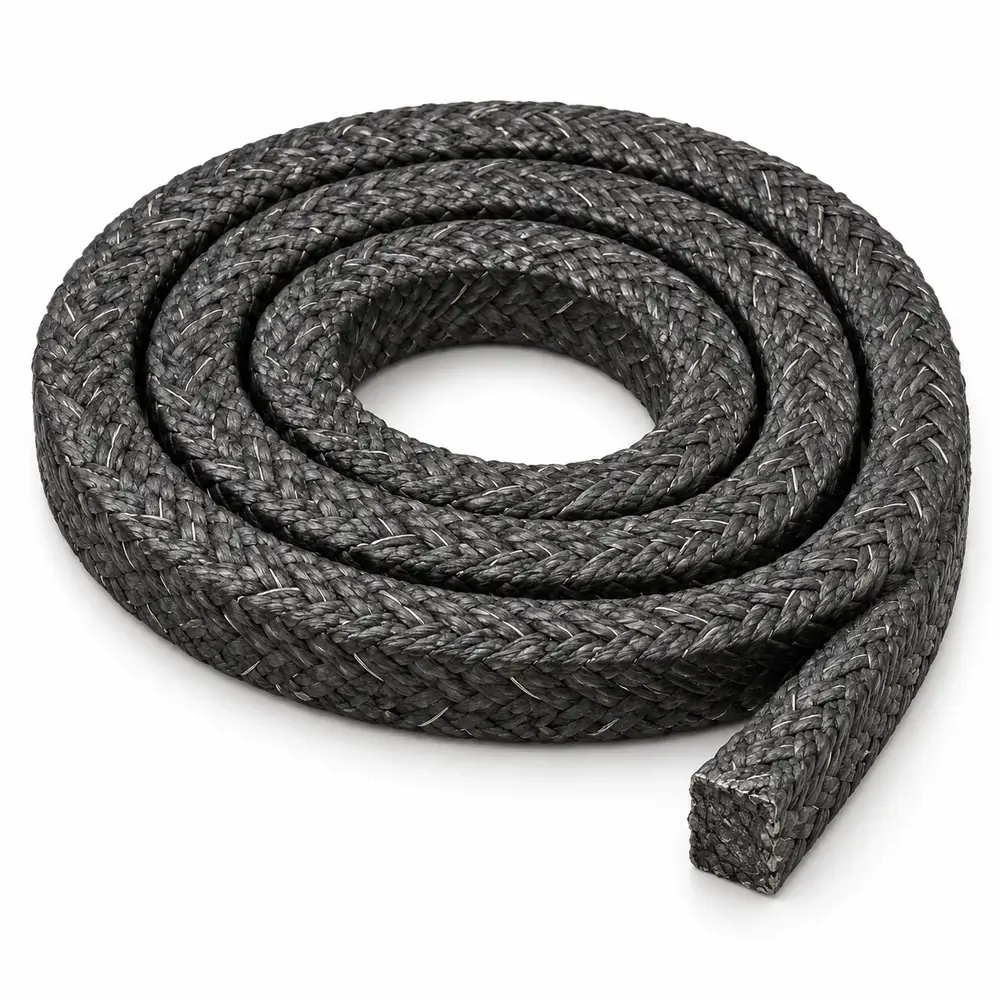
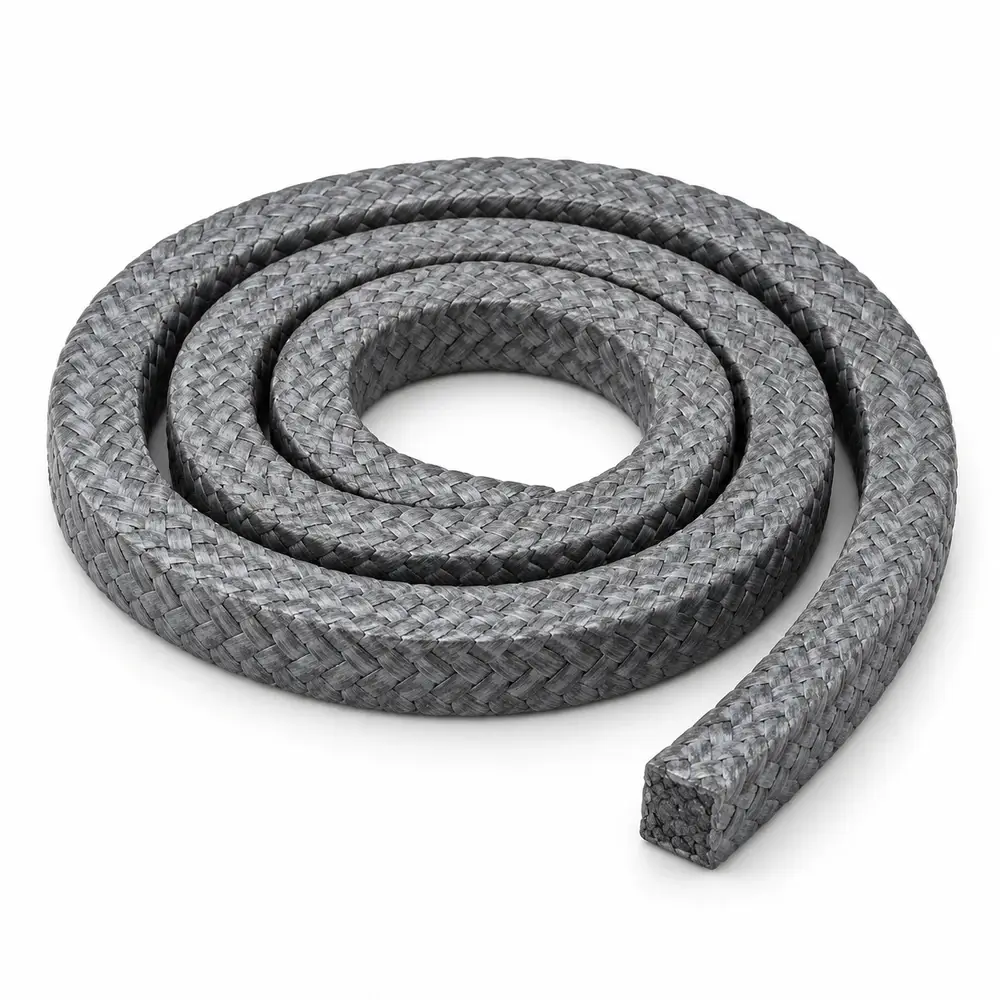
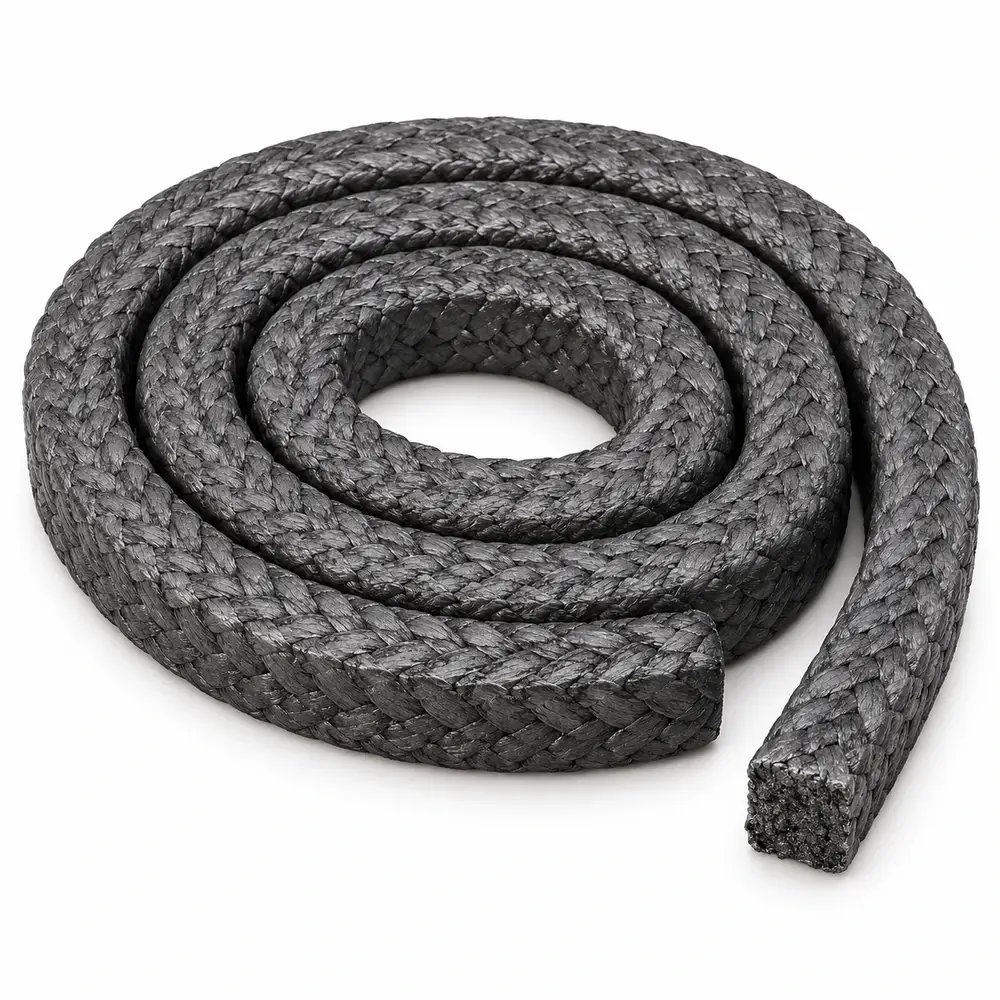
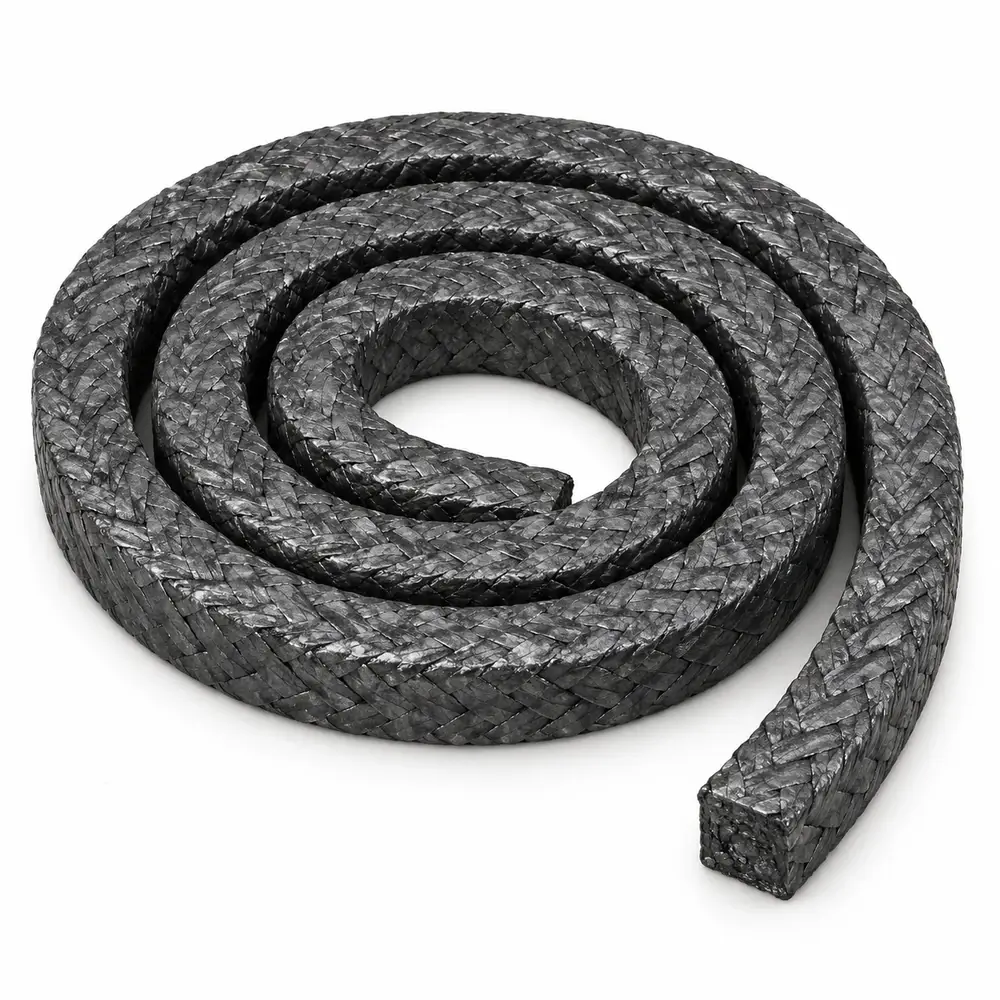
When a maintenance team faces a dripping stuffing box at 2 a.m., the real question is not only “which packing is cheapest?” but “How Do You Install Synthetic fiber packing Correctly?” A correctly installed synthetic fiber packing protects the shaft, controls leakage, and keeps a pump or valve online; a rushed installation can score a sleeve, raise energy use, and create a repeat purchase that no procurement team wants. Ningbo Kaxite Sealing Materials Co., Ltd. works with buyers who need predictable sealing performance, not guesswork. Our synthetic fiber packing is designed for controlled compression, easy cutting, and stable run-in, and our team helps purchasers match size, pH, temperature, pressure, and shaft speed before the first ring goes into the stuffing box. The practical difference is clear: when installation follows a repeatable sequence—cleaning, measuring, cutting diagonal rings, staggering joints, tightening gradually, and checking run-in leakage—the packing lasts longer and maintenance calls drop. Procurement teams can use the installation guide below as a specification checklist for suppliers, maintenance crews, and plant engineers. It covers the exact steps, torque and clearance parameters, common failure patterns, and the questions buyers should ask before approving a synthetic fiber packing order. If you want fewer emergency purchases and more predictable seals, start with the installation method, not just the unit price.
A purchasing manager may receive three quotations for the same pump duty. The lowest price looks attractive until the first start-up produces a steady drip, a hot gland, or a scored shaft. Synthetic fiber packing is a compression component, and the stuffing box is a precision joint. If the ring length is wrong, the cut is square instead of diagonal, the joints line up, or the gland is over-tightened, the packing cannot form a stable sealing film. The buyer then pays twice: once for the original order and again for downtime, labor, and a replacement sleeve. Ningbo Kaxite Sealing Materials Co., Ltd. addresses this problem by treating installation data as part of the product. Buyers receive practical guidance on size, ring count, cut angle, joint stagger, and run-in checks so that the first order performs as expected. The table below shows the control points that separate a reliable installation from a temporary fix.
Parameter
Recommended check
Why it matters to the buyer
Stuffing box ID
Measure the box and shaft; confirm packing size and radial clearance
Prevents forced fit, extrusion, and excessive friction
Shaft / sleeve condition
Check runout, scoring, and surface finish before installation
A rough shaft destroys packing life and increases leakage
Media, pH, temperature
Match packing grade to water, wastewater, seawater, or mild chemical duty
Avoids swelling, hardening, and premature failure
Gland bolt torque
Tighten evenly in small increments; allow run-in leakage
Reduces heat, power loss, and sleeve wear
Step-by-Step: How Do You Install Synthetic Fiber Packing Correctly?
On the plant floor, the most common scene is a technician with a knife, a roll of packing, and a production window that is already too short. The technician cuts rings by eye, pushes them into the box, and tightens the gland until the leak stops. That method often creates a short service life. A better approach is a repeatable sequence that any maintenance team can follow. For How Do You Install Synthetic Fiber Packing Correctly?, the goal is not zero leakage at start-up; the goal is controlled leakage that lubricates the packing while the gland is adjusted gradually. Ningbo Kaxite Sealing Materials Co., Ltd. recommends the following sequence for synthetic fiber packing in pumps and valves. Keep the work area clean, use a fresh sharp blade, and never reuse a ring that has been forced into the box.
Isolate the equipment, lock out the drive, and confirm that the stuffing box is cool and safe to open.
Remove old packing completely; clean the box, shaft, and lantern ring; inspect the sleeve for scoring and runout.
Measure the shaft diameter and stuffing box bore; calculate the correct ring length and confirm the packing size.
Cut each ring with a clean 45-degree diagonal cut; keep the cut face square and free of frayed fibers.
Install one ring at a time; seat each ring firmly but do not hammer or twist it.
Stagger each joint by 90 to 120 degrees; align the lantern ring with the flush port if one is used.
Tighten the gland bolts evenly by hand, then bring them down in small, equal increments.
Start the pump, check run-in leakage, and adjust the gland gradually until the leakage reaches the acceptable range.
Installation step
Field action
Acceptance check
Ring cutting
45-degree diagonal cut; one ring per shaft wrap
No gap, no overlap, no loose fiber
Joint placement
Stagger joints 90 to 120 degrees
No continuous leak path along the shaft
Gland tightening
Even increments; check shaft drag by hand before start-up
Gland square, not cocked; no hot spot
Run-in
Allow controlled drip; adjust in small steps
Stable leakage and normal gland temperature
Installation Parameters Buyers Should Put in the Purchase Order
A frequent procurement pain point is a purchase order that lists only “synthetic fiber packing, size 12 mm, quantity 20 m.” That description leaves the supplier and the maintenance team to guess the duty. A pump handling clean water at low pressure is not the same as a valve handling wastewater with grit, or a vessel subject to mild chemical attack. When the specification is incomplete, the buyer may receive a product that is technically the right size but the wrong grade. Ningbo Kaxite Sealing Materials Co., Ltd. helps buyers close that gap by converting application data into a clear order specification. The table below gives a practical starting point. The values are typical selection windows, not universal limits; final confirmation should always be based on the actual media, pressure, temperature, shaft speed, and installation practice.
Parameter
Typical selection window
What to confirm with Kaxite
Packing size
3 mm to 25 mm
Stuffing box ID, shaft diameter, and required radial clearance
Temperature
Confirm against the chosen grade
Continuous and excursion temperature of the process
Pressure
Confirm against pump or valve duty
Suction, discharge, and surge pressure
pH range
Match media compatibility
Chemical concentration and cleaning chemicals
Shaft speed
Confirm surface speed and lubrication
RPM, shaft diameter, and runout
Common Installation Pain Points and Field Fixes
Even a good packing can fail when installation conditions are poor. A buyer may approve a material that meets the data sheet, yet the site reports a leak after two shifts, a gland that runs hot, or packing that extrudes out of the box. These symptoms usually point to installation details rather than the material alone. For example, a gland that is tightened to stop all leakage at start-up will run hot and wear the shaft; a packing ring that is too short will leave a gap; a lantern ring that is misaligned will block the flush path. The solution is to diagnose the symptom before ordering a replacement. Ningbo Kaxite Sealing Materials Co., Ltd. supports buyers with practical troubleshooting so that the same fault is not repeated on the next order. The table below maps common field symptoms to likely causes and corrective actions.
Symptom
Likely cause
Field fix
Acceptance
Leak returns quickly
Joints aligned or ring length wrong
Replace rings; stagger joints 90 to 120 degrees
Controlled drip, no spray
Gland runs hot
Over-tightening or dry run
Loosen evenly; verify flush and run-in
Normal temperature and shaft drag
Packing extrudes
Clearance too large or wrong size
Re-measure box and shaft; use correct size
Ring stays seated
Shaft scoring
Grit, rough sleeve, or excessive gland load
Clean flush, polish sleeve, reset gland
Smooth sleeve and stable leakage
Two Practical Q&A Groups on How Do You Install Synthetic Fiber Packing Correctly?
Group 1: Pump and valve installation questions
Q: How do you install synthetic fiber packing correctly in a centrifugal pump? A: Clean the stuffing box, inspect the shaft, cut diagonal rings to the measured length, stagger joints, and tighten the gland in small equal steps. Start with controlled leakage and adjust after run-in rather than stopping all flow at once.
Q: How many rings should be used, and how should the joints be placed? A: Use the number of rings specified for the stuffing box depth, with the lantern ring aligned to the flush port. Stagger each joint by 90 to 120 degrees so that no continuous leak path forms along the shaft.
Q: What leakage is normal during run-in? A: A light, controlled drip is normal for many compression packings during run-in. The exact rate depends on the application, shaft speed, and gland design; the key is to avoid a hot gland and to adjust gradually.
Group 2: Maintenance and procurement questions
Q: How do you install synthetic fiber packing correctly when the shaft is worn? A: Measure runout and scoring first. If the sleeve is rough or deeply grooved, repair or replace it before installing new packing; otherwise the new rings will wear quickly and leakage will return.
Q: Should the packing be greased before installation? A: Follow the packing grade recommendation. Some synthetic fiber packings are supplied with lubrication, while others are designed for a specific media. Adding the wrong grease can affect compatibility, so confirm with Ningbo Kaxite Sealing Materials Co., Ltd. before changing the installation method.
Q: How do I avoid over-tightening the gland? A: Bring the gland down evenly by hand, then tighten in small increments while checking shaft drag and gland temperature. A gland that is too tight may stop the drip briefly but often causes heat, wear, and a shorter service life.
Even increments, run-in leakage, temperature check
Gland bolt torque and shaft drag
Procurement Checklist Before You Approve the Order
Buyers often compare synthetic fiber packing by unit price, but the real cost includes installation labor, downtime, shaft wear, and repeat orders. A low-cost packing that fails in two weeks is expensive. A slightly higher-priced product with clear installation data and consistent dimensions can reduce total cost. Ningbo Kaxite Sealing Materials Co., Ltd. supports procurement teams with a specification review before the order is released, so that size, grade, packaging, and documentation match the plant’s actual duty. The checklist below is designed for the buyer who needs to move quickly without creating a mismatch at the stuffing box.
Have a stuffing box that leaks after every shutdown, or a pump that keeps eating packing? Send the shaft diameter, stuffing box ID, media, temperature, pressure, and shaft speed. The team can help compare grades, confirm installation parameters, and reduce repeat purchases.
For buyers who need a sealing partner rather than a catalog page, Ningbo Kaxite Sealing Materials Co., Ltd. supplies synthetic fiber packing with practical selection and installation support for pumps, valves, and process equipment. The company helps procurement teams match material, size, and duty conditions before shipment, and provides responsive technical answers for maintenance crews. Visit https://www.vegetable-fiber-packing.com to review product options, or contact [email protected] for specification review and quotation support.
Selected research references
Flitney, R. K. (2010). Sealing technology for pumps and valves: a review of packing systems. Sealing Technology, 2010(10), 8–12.
Nau, B. S. (1999). Mechanical seal and gland packing selection for rotating equipment. Proceedings of the Institution of Mechanical Engineers, Part J, 213(4), 267–278.
Deters, L., & Fischer, T. E. (2004). Friction of braided packing materials in stuffing boxes. Tribology Transactions, 47(3), 401–408.
Kim, S. H., & Lee, K. Y. (2015). Effect of compression rate on leakage and friction of synthetic fiber gland packing. Journal of Mechanical Science and Technology, 29(9), 3821–3828.
Wang, Y., & Chen, J. (2016). Installation torque optimization for compression packing in centrifugal pumps. Advances in Mechanical Engineering, 8(6), 1–10.
Muthukumar, N., Rajesh, S., & Kumar, P. (2019). Failure analysis of pump gland packing in process plants. Engineering Failure Analysis, 104, 1013–1024.
Patel, R., & Shah, D. (2020). Procurement specifications for synthetic fiber packing in chemical plants. Journal of Loss Prevention in the Process Industries, 65, 104123.
Liu, X., Zhao, M., & Sun, Y. (2021). Run-in leakage behavior of braided synthetic fiber packing under variable shaft speed. Tribology International, 156, 106842.
Chen, L., & Zhao, Q. (2022). Sustainable sealing materials: synthetic fiber packing for water and wastewater pumps. Journal of Cleaner Production, 330, 129845.
We use cookies to offer you a better browsing experience, analyze site traffic and personalize content. By using this site, you agree to our use of cookies. Privacy Policy