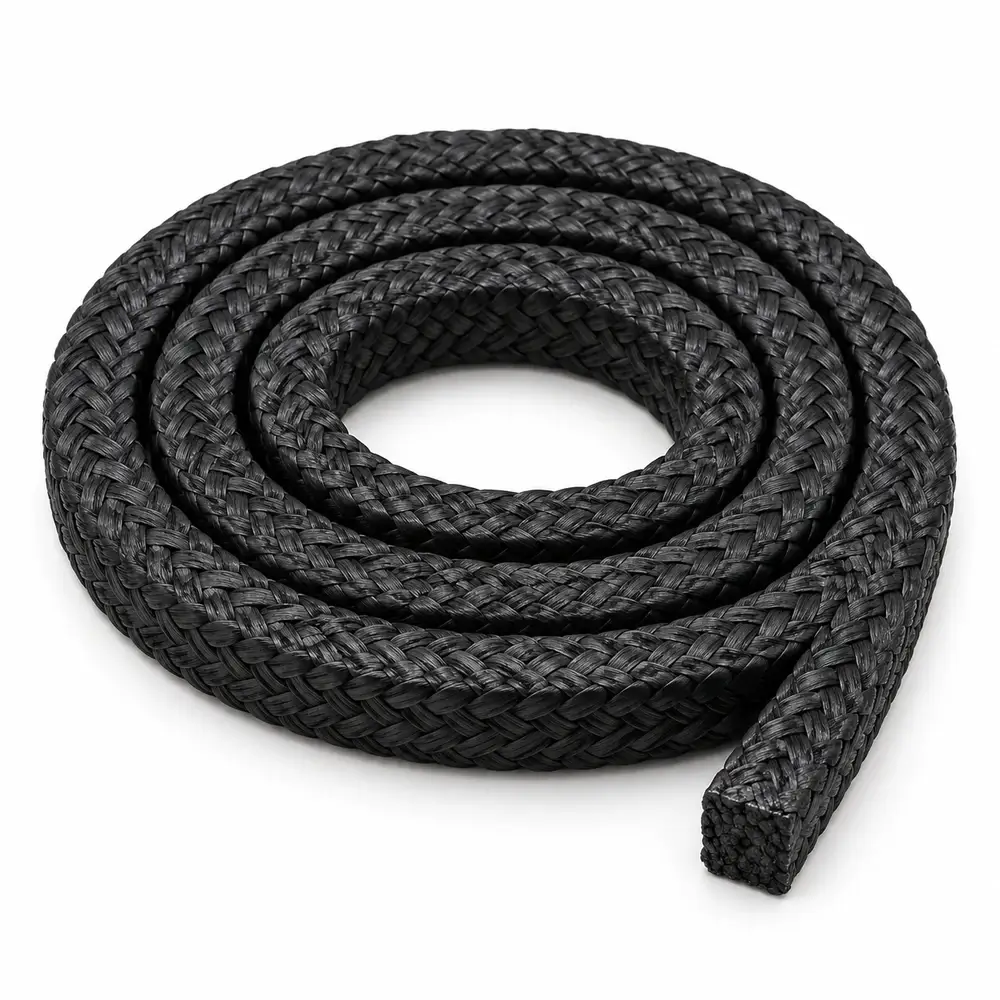
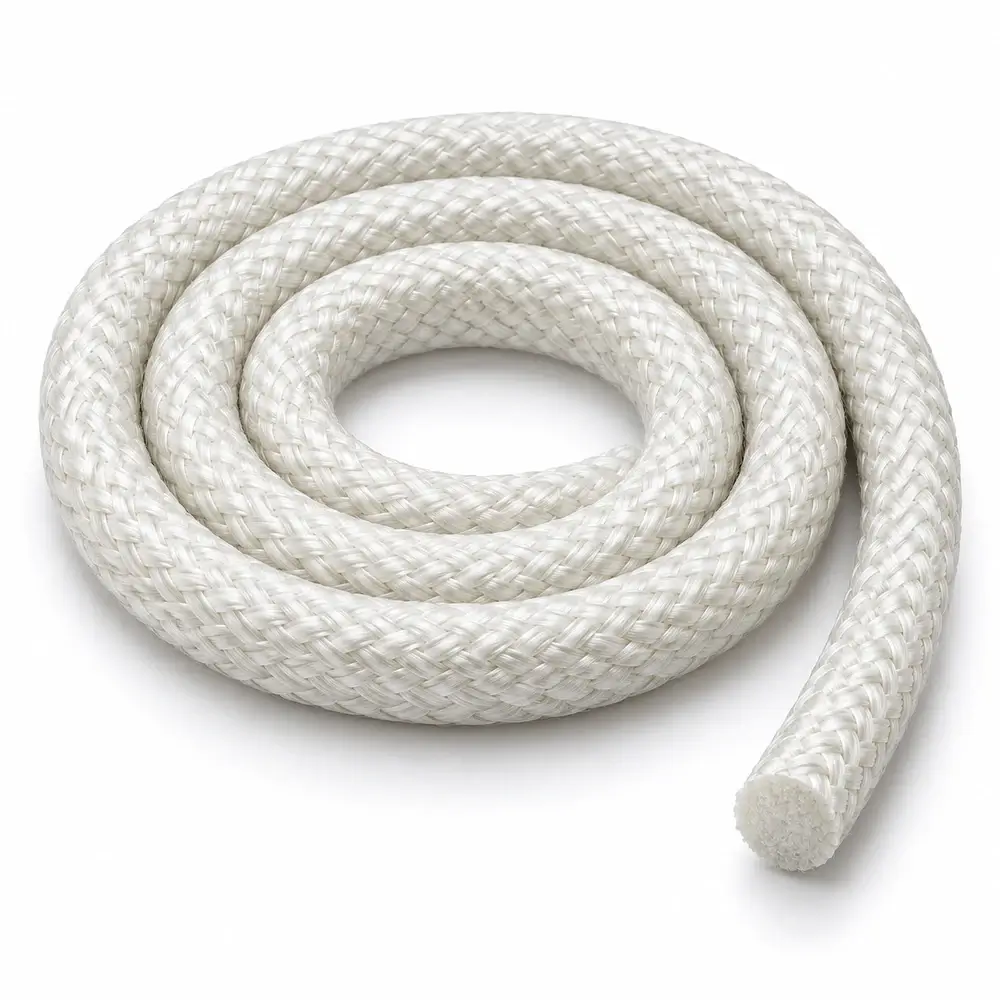
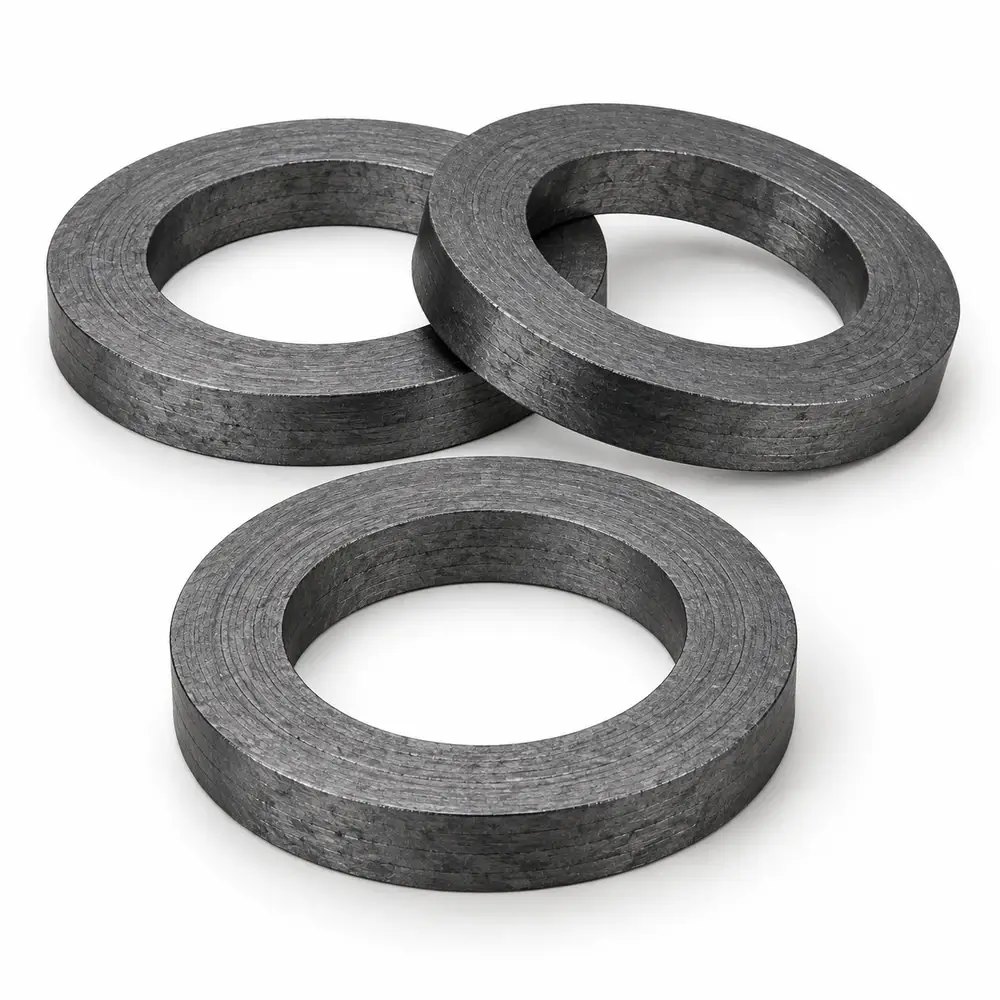
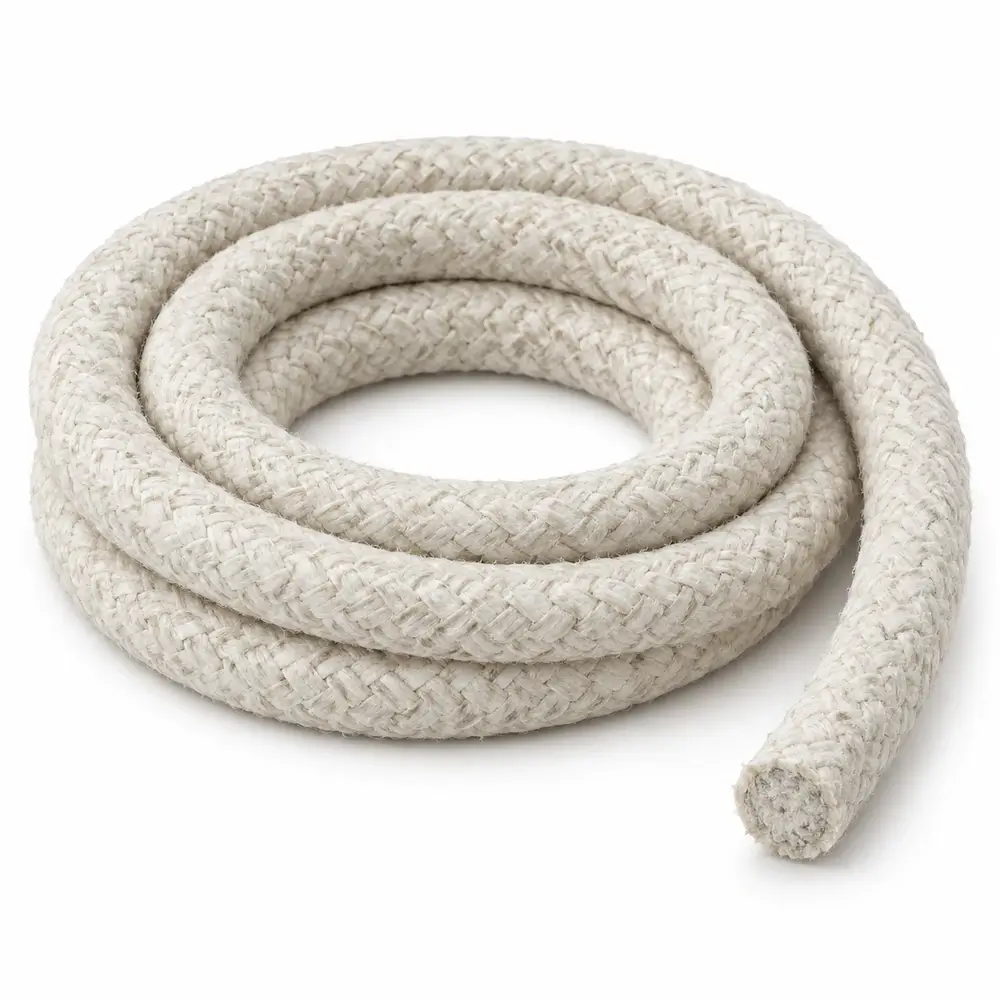
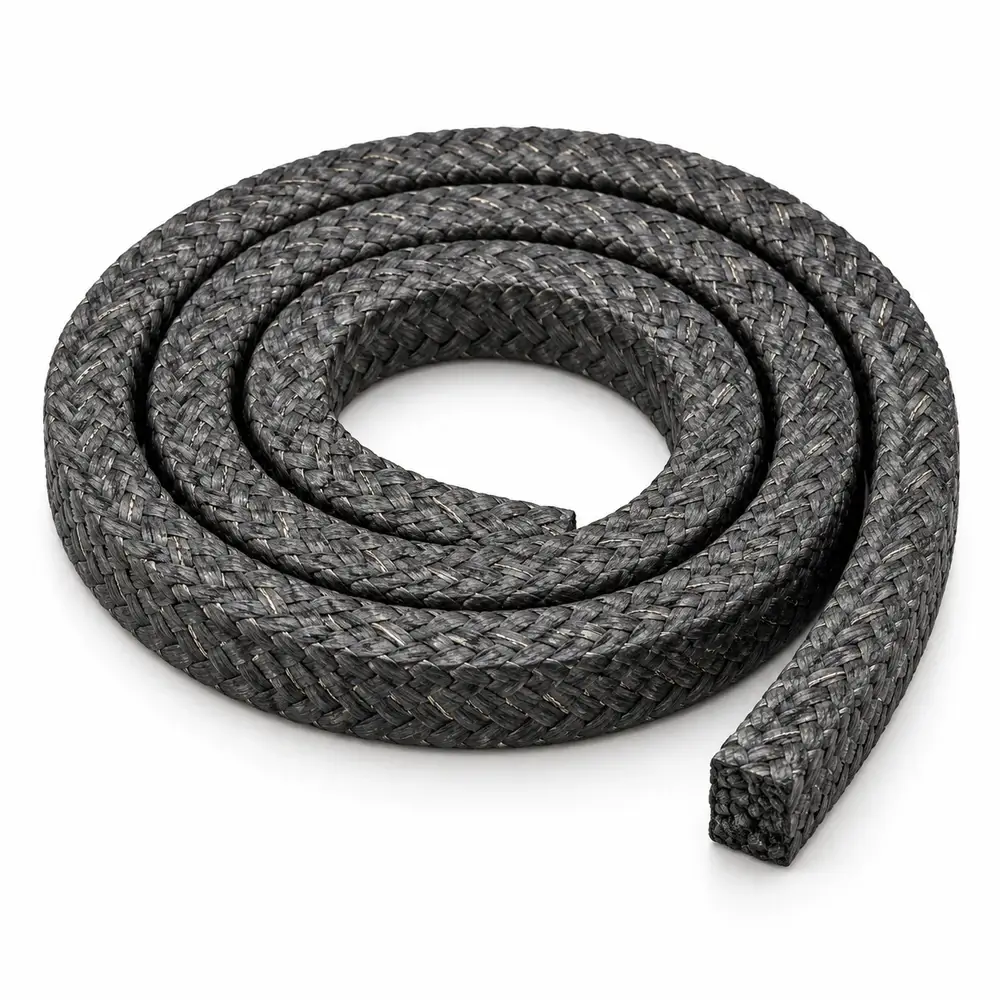
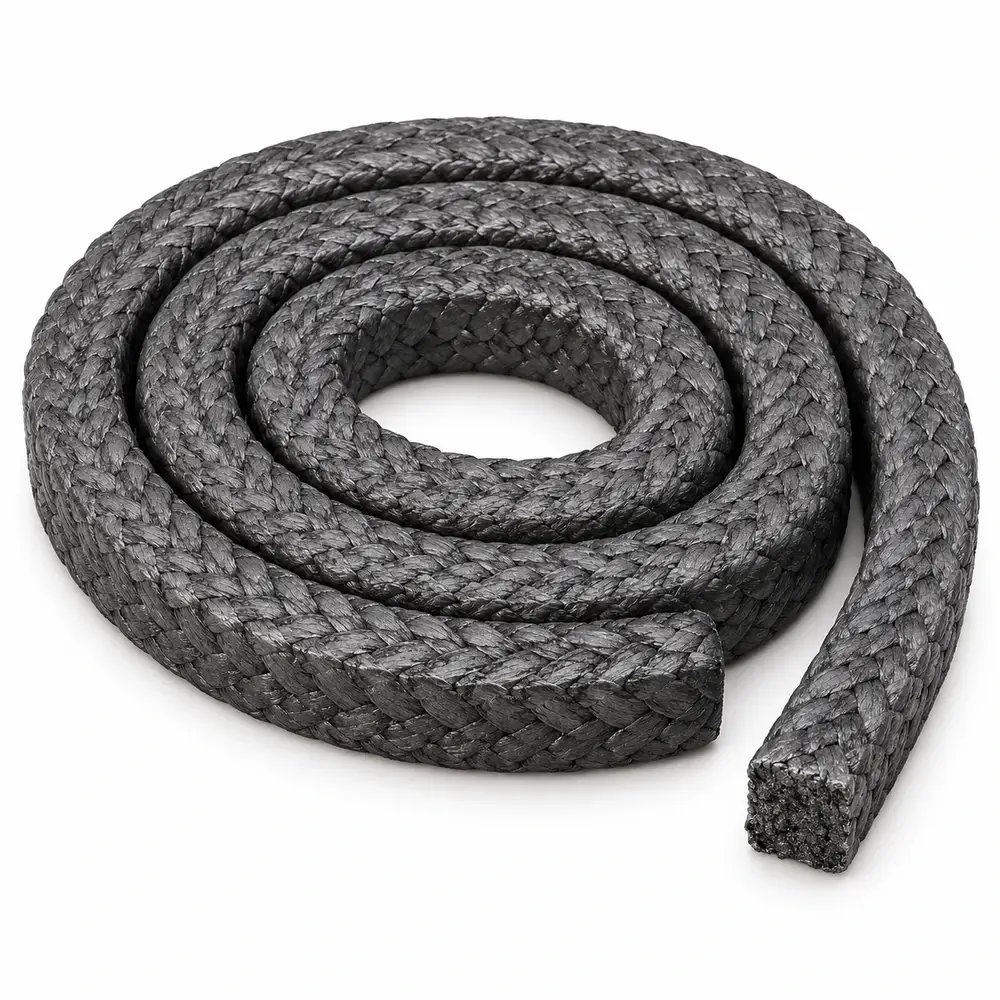
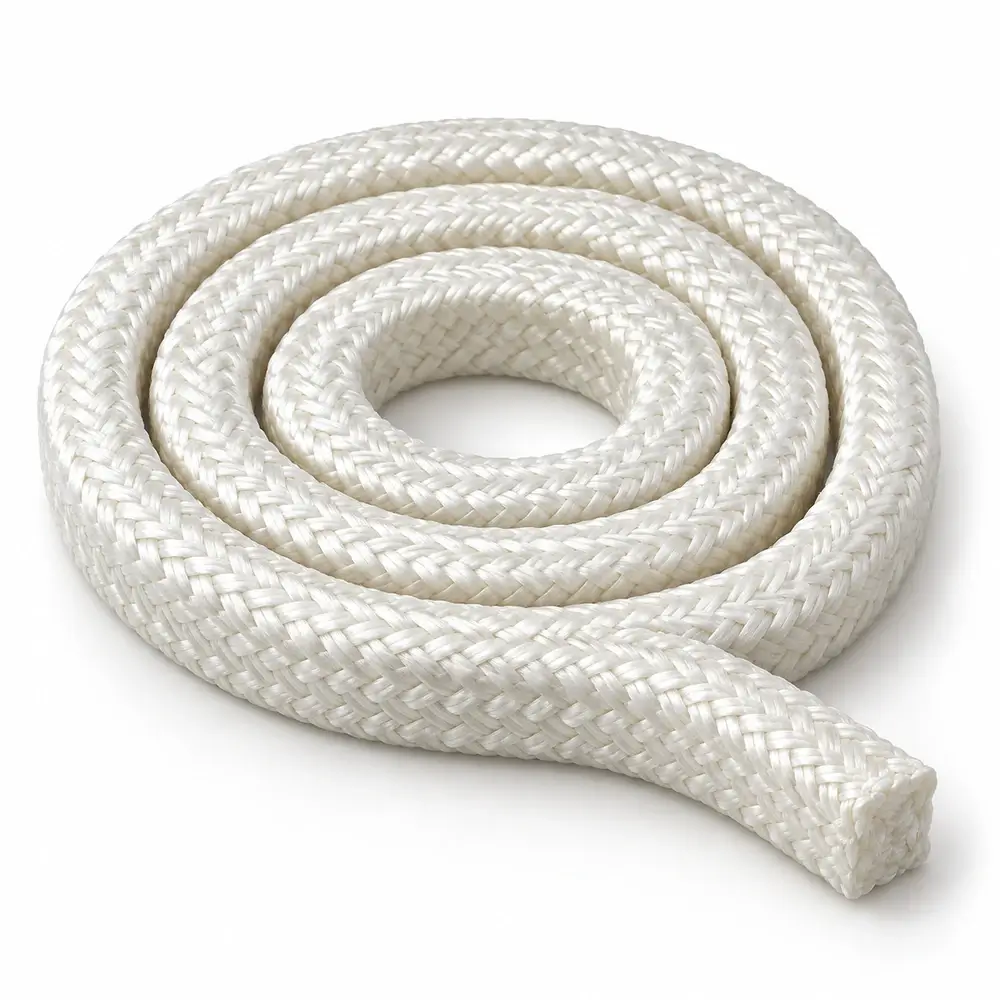
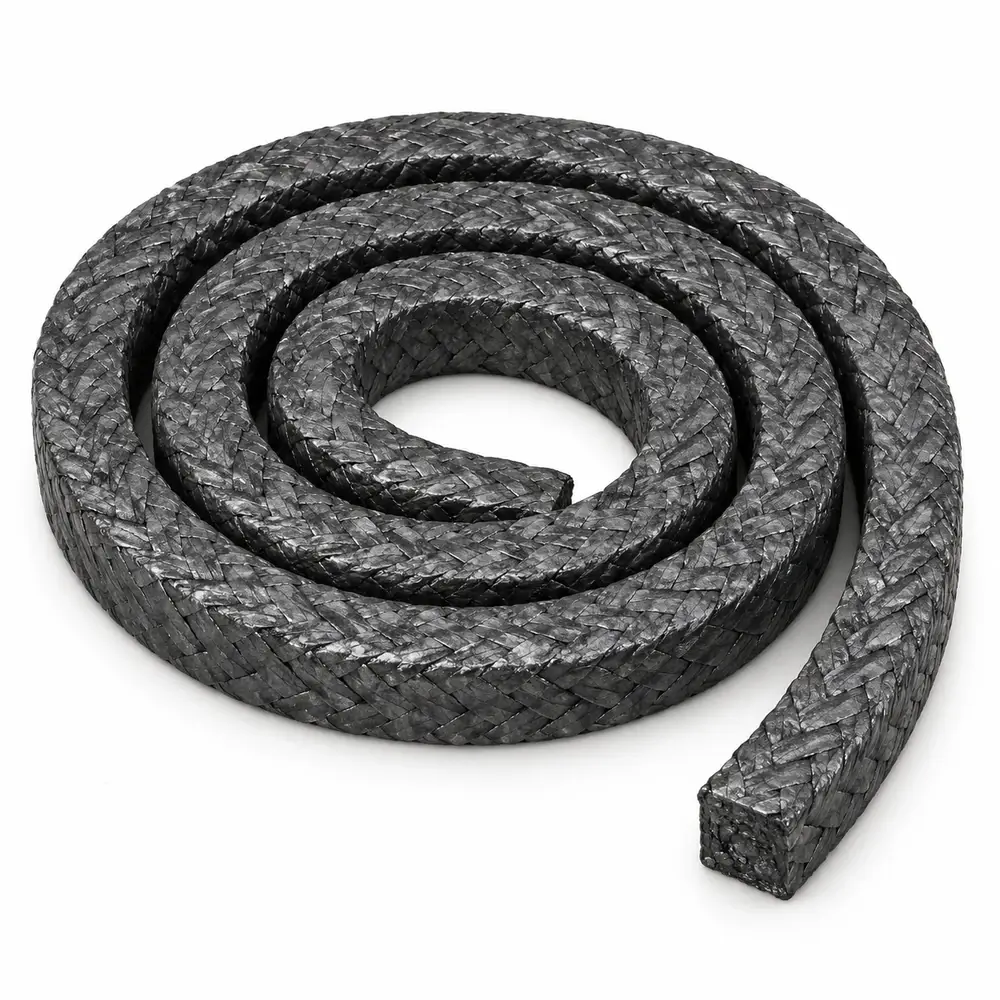
Can Gland Packing Be Used in Pumps and Valves? Picture a procurement buyer at 7:30 a.m. reviewing a maintenance request: a centrifugal pump is dripping at the stuffing box, a valve stem is leaving a faint stain on the insulation, and production wants a sealing solution before the next shutdown. The question in the meeting is simple: Can Gland Packing Be Used in Pumps and Valves? The practical answer is yes—gland packing, also called compression packing or braided packing, remains a proven sealing choice for many rotating pump shafts and reciprocating valve stems. It tolerates vibration, minor shaft runout, thermal cycling, and on-site replacement without a major rebuild. The real decision is not whether packing can be used, but which packing construction, size, lubrication, and installation method match the pressure, temperature, speed, and chemical service. A wrong choice can cause shaft wear, excessive friction, product contamination, or repeated leakage. A right choice can reduce downtime, simplify maintenance, and control spare-part cost. Ningbo Kaxite Sealing Materials Co., Ltd. supports pump and valve buyers with practical packing selection, material matching, and supply consistency. The product guide “Can Gland Packing Be Used in Pumps and Valves?” is designed for buyers who need clear answers before requesting a quote. This guide explains where gland packing works well, where it needs extra care, and how to specify it with confidence.
Contents
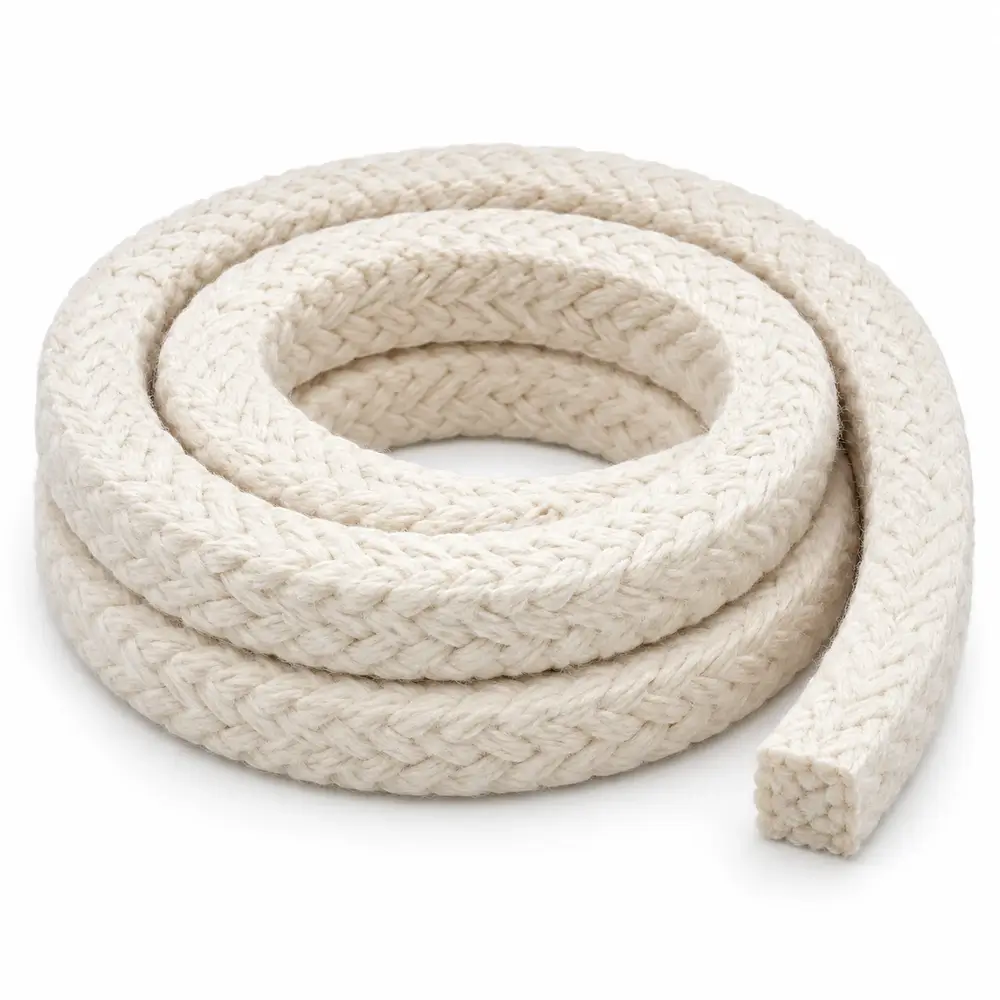
Pain point: A maintenance team replaces a mechanical seal or a valve gasket, then discovers that the leak has moved to an older stuffing box. The buyer is under pressure to find a low-cost, fast-turnaround solution that does not require a pump redesign or a long valve outage. In dusty, hot, or lightly abrasive services, the wrong packing can also swell, harden, or wear the shaft sleeve, turning a small drip into a repeat failure.
Solution: Gland packing works when the stuffing box is treated as a controlled sealing system, not as a rope stuffed into a cavity. The packing must match media, temperature, pressure, shaft speed, and stem motion. Kaxite helps buyers compare braided packing constructions, lubricants, and reinforcement fibers so the selected packing can form a flexible, resilient seal without over-compressing the shaft or stem. Proper gland bolt tension, a clean stuffing box, and a suitable lantern ring or flush arrangement are part of the selection, not an afterthought.
| Service Condition | Why Gland Packing Fits | Buyer Check |
|---|---|---|
| Rotating pump shaft | Flexible rings follow minor runout and can be replaced in place | Shaft speed, sleeve hardness, flush water quality |
| Reciprocating valve stem | Compression packing adapts to stem movement and simple gland adjustment | Stem finish, stroke frequency, temperature cycling |
| Moderate pressure | Multiple rings create a pressure gradient through the stuffing box | Pressure rating, number of rings, lantern ring position |
| High temperature | Graphite and selected fiber blends offer thermal stability | Continuous temperature, oxidation risk, stem material |
| Abrasive slurry | Compression packing can be renewed before the sleeve is damaged | Particle size, flush plan, packing wear rate |
Pain point: A process pump drips during startup, the gland is tightened, and the leak stops for a few days. Then the shaft sleeve runs hot, the packing hardens, and the drip returns with more friction. The buyer needs a sealing method that accepts controlled leakage without damaging the shaft or forcing an unplanned seal conversion.
Solution: For many centrifugal pumps, packed stuffing boxes remain a practical choice when the service allows a small, controlled leakage rate and when maintenance staff can adjust the gland. The packing should be cut to the correct size, installed as individual rings with staggered joints, and run in gradually. For pumps handling hot or abrasive media, a lantern ring with clean flush water can cool the packing and remove particles from the sealing area. Kaxite supplies braided packing options for water, chemical, and general industrial pump duties, helping buyers match fiber, lubricant, and square cross-section to the stuffing box.
| Pump Parameter | Recommended Focus | Practical Target |
|---|---|---|
| Centrifugal pump, clean water | General-purpose braided packing with suitable lubricant | Controlled drip, cool gland, stable sleeve temperature |
| Chemical pump | Chemical compatibility first, then temperature and pressure | No swelling, no hardening, compatible lubricant |
| Slurry pump | Abrasion resistance, flush arrangement, easy replacement | Lower sleeve wear, planned repacking interval |
| High-speed pump | Low-friction packing, correct ring count, careful run-in | Gland temperature under control, no smoking or glazing |
| Hot water pump | Thermally stable fiber, cooling flush, proper clearance | Stable leakage, no excessive compression |
Pain point: A valve stem that is rarely operated can still leak after thermal cycling. When the operator tightens the gland, friction rises and the stem becomes hard to turn. In plants with strict housekeeping or emission targets, a visible drip or a faint vapor trail can trigger a work order even when the valve body is healthy.
Solution: Valve stem packing must balance sealing, friction, and stem movement. Braided compression packing is widely used in gate, globe, and ball valve stem sealing when the service conditions fit. Graphite packing is often chosen for high-temperature duties, while PTFE-impregnated or fiber-based packings may suit lower-temperature chemical services. The packing should be sized to the stem and stuffing box, installed with clean ring joints, and compressed with controlled gland load. Kaxite helps buyers specify valve packing by media, temperature, pressure, and actuation method so the final selection supports smooth operation and reliable sealing.
| Valve Parameter | Selection Focus | Risk to Avoid |
|---|---|---|
| High-temperature steam | Graphite-based packing with thermal stability | Oxidation, hardening, excessive gland load |
| Chemical service | Media compatibility and lubricant compatibility | Swelling, extraction, contamination |
| Automated valve | Low friction and stable stem movement | Actuator overload, stick-slip, stem scoring |
| Frequent operation | Wear-resistant packing and smooth stem finish | Packing extrusion, loose gland, stem wear |
| Low fugitive emission target | Correct ring count, controlled compression, quality braid | Uneven joints, insufficient compression, loose rings |
Pain point: A buyer receives three quotes for “gland packing” with different fibers, lubricants, and prices. The lowest-price option may look attractive, but if it cannot handle the temperature or chemical exposure, the plant pays again through leakage, rework, and downtime. The challenge is turning process data into a clear packing specification.
Solution: Start with the sealing environment, not the price per meter. Confirm the equipment type, shaft or stem diameter, stuffing box dimensions, media, concentration, temperature, pressure, speed or stroke, and available flush or lubrication. Then match the packing construction: braided fiber, graphite, PTFE, aramid, vegetable fiber, or a blended structure. For pump and valve buyers working with Ningbo Kaxite Sealing Materials Co., Ltd., the selection process can include sample review, size confirmation, and application matching before shipment.
| Selection Parameter | What to Confirm | Why It Matters |
|---|---|---|
| Temperature | Continuous and peak temperature | Prevents hardening, oxidation, and thermal breakdown |
| Pressure | Operating pressure and pressure spikes | Affects ring count, compression, and extrusion risk |
| Media | Chemical name, concentration, pH, particles | Determines fiber, lubricant, and compatibility |
| Speed or stroke | Shaft rpm or valve cycle frequency | Controls friction, wear, and heat generation |
| Equipment finish | Shaft or stem hardness, surface finish, runout | Protects sleeve and stem from scoring |
Pain point: New packing can fail in days if the stuffing box is dirty, the rings are cut at the wrong angle, or the gland is tightened too fast. A buyer may approve the right material but still receive complaints because installation varied between shifts.
Solution: Treat packing installation as a controlled procedure. Clean the stuffing box, inspect the shaft or stem, confirm the packing size, cut rings squarely, stagger joints, and compress gradually. Run the equipment in slowly and allow a controlled leakage path where the application permits it. Keep maintenance records for gland adjustment, repacking intervals, and sleeve condition. Kaxite can support buyers with size guidance and product data so maintenance teams work from a consistent specification.
| Installation Step | Good Practice | Common Problem |
|---|---|---|
| Stuffing box cleaning | Remove old packing, debris, and hardened deposits | New rings cannot seat evenly |
| Ring cutting | Use a sharp cutter and correct square cross-section | Frayed ends and uneven compression |
| Joint placement | Stagger joints around the shaft or stem | Leak path through aligned joints |
| Gland tightening | Tighten evenly and gradually during run-in | Overheating, glazing, and shaft wear |
| Maintenance record | Track adjustment, leakage, and replacement interval | Repeat failures without root cause |
Yes. Gland packing is used in pump stuffing boxes and valve stem sealing areas, but the packing style should match the motion. Pumps involve rotating shafts and usually accept a controlled leakage rate. Valves involve reciprocating or rotating stems and often prioritize low friction, stable gland load, and temperature resistance. The same general material family may work in both, but the final construction, size, and installation method should be confirmed for each service.
Provide equipment type, shaft or stem diameter, stuffing box dimensions, media, concentration, temperature, pressure, speed or cycle rate, and any flush or lubrication details. Photos of the stuffing box and old packing can also help. Ningbo Kaxite Sealing Materials Co., Ltd. uses these details to recommend a practical gland packing option rather than a one-size-fits-all product.
It can be suitable within defined limits, but high pressure requires careful ring count, compression control, and extrusion resistance. For very high pressure or critical emission duties, a mechanical seal or engineered valve packing system may be more appropriate. The safe approach is to share operating data and let the packing specification be checked against pressure, temperature, and media before purchase.
Kaxite helps buyers compare material options, confirm dimensions, and align packing construction with pump or valve conditions. Clear product data and responsive communication help procurement teams avoid mismatched orders and support maintenance teams with a repeatable sealing specification.
Pain point: A buyer needs consistent packing quality across repeat orders, but mixed suppliers can bring different braid density, lubricant content, and dimensions. Small differences can create big variations in gland adjustment and service life.
Solution: Ningbo Kaxite Sealing Materials Co., Ltd. focuses on sealing materials for industrial buyers who value clear specifications and stable supply. From initial inquiry to repeat order, Kaxite can support size confirmation, material selection, sample review, and packaging requirements for pump and valve applications.
| Buyer Need | Kaxite Support | Result |
|---|---|---|
| Material matching | Review media, temperature, pressure, and motion | Better fit for pump or valve service |
| Size confirmation | Check square cross-section and stuffing box dimensions | Fewer installation problems |
| Repeat supply | Consistent product specification and order communication | Stable maintenance planning |
| Technical inquiry | Practical guidance for gland packing selection | Faster, clearer purchasing decisions |
Ningbo Kaxite Sealing Materials Co., Ltd. works with pump and valve buyers who need reliable gland packing, clear material guidance, and responsive communication. Visit https://www.vegetable-fiber-packing.com to review product options, or email [email protected] with your operating conditions, dimensions, and target quantity. Share the application details, and the Kaxite team can help turn the question “Can Gland Packing Be Used in Pumps and Valves?” into a practical sealing specification for your next order.
Smith, J. A., & Patel, R. (2019). Performance of braided compression packing in centrifugal pump shaft sealing. Journal of Sealing Technology, 2019(4).
Chen, L., Wang, H., & Zhao, Y. (2020). Leakage and friction behavior of expanded graphite gland packing under thermal cycling. Tribology International, 145.
Kumar, S., & Rao, P. V. (2018). Valve stem sealing with PTFE-impregnated braided packing: A plant reliability study. Journal of Valve Technology, 12(3).
Müller, T., & Becker, F. (2021). Compression set and recovery of aramid-based gland packing in reciprocating valves. Sealing Science and Engineering, 8(2).
Ito, K., Nakamura, S., & Fujita, M. (2017). Friction and wear of vegetable fiber packing for low-speed pump service. Journal of Sustainable Tribology, 5(1).
Robinson, P., & Green, D. (2022). Lantern ring design and flush water control for packed pump stuffing boxes. Pump Engineering Journal, 34(6).
Al-Harbi, M., & Saleh, A. (2019). Chemical compatibility of PTFE and graphite gland packing in process valves. Materials Performance and Sealing, 21(4).
Dubois, C., Martin, E., & Leroy, P. (2023). Installation torque and run-in effects on braided packing leakage. Journal of Mechanical Seals, 15(2).
Yang, R., & Liu, Q. (2018). Temperature limits of graphite gland packing in high-pressure valve stems. Thermal Engineering and Sealing, 9(3).
Andersen, K., & Jensen, M. (2020). Maintenance planning for packed pumps and valves in continuous process plants. Reliability Engineering Practice, 28(7).