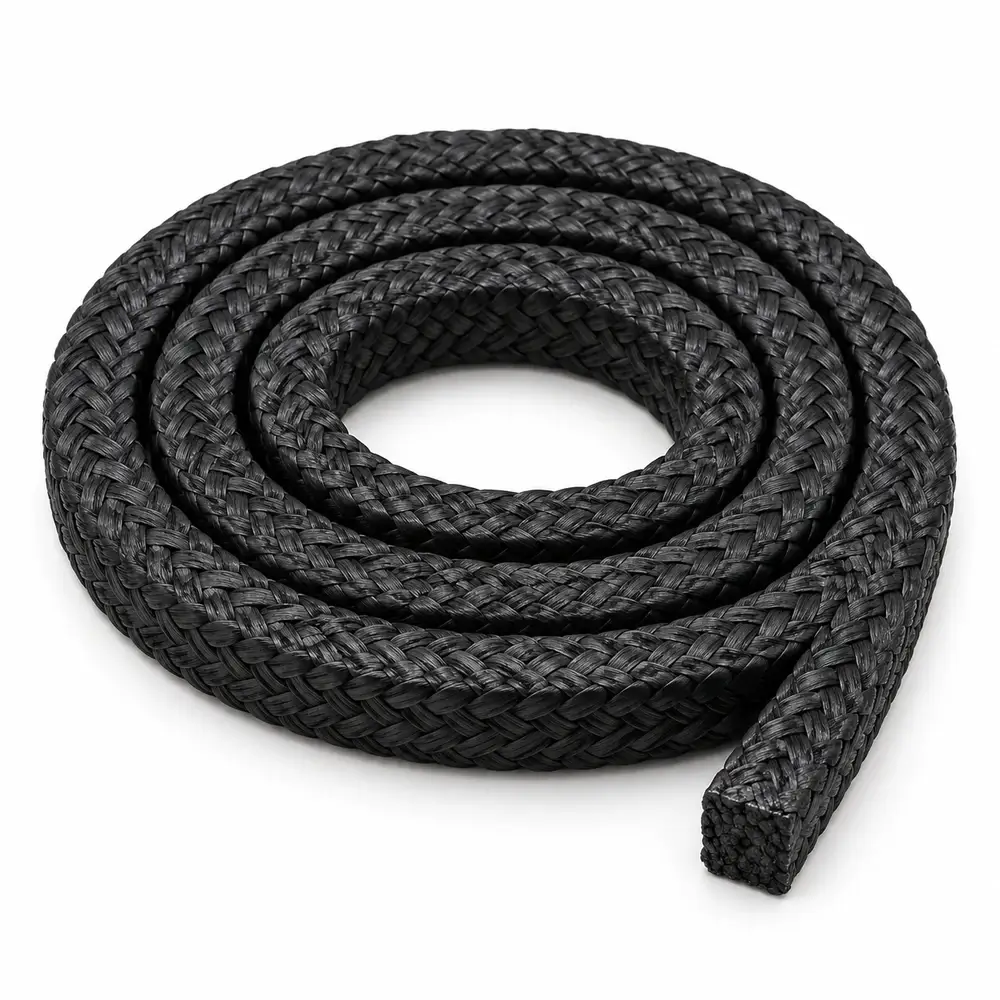
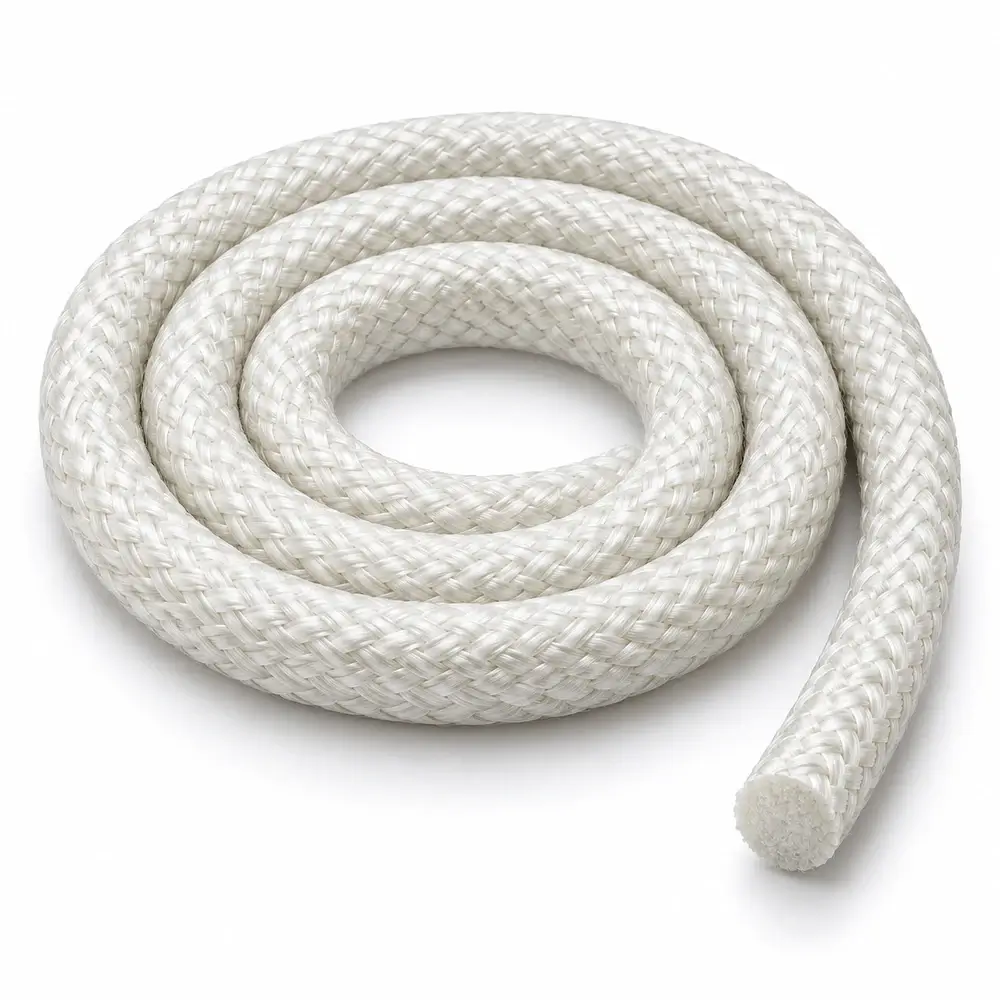
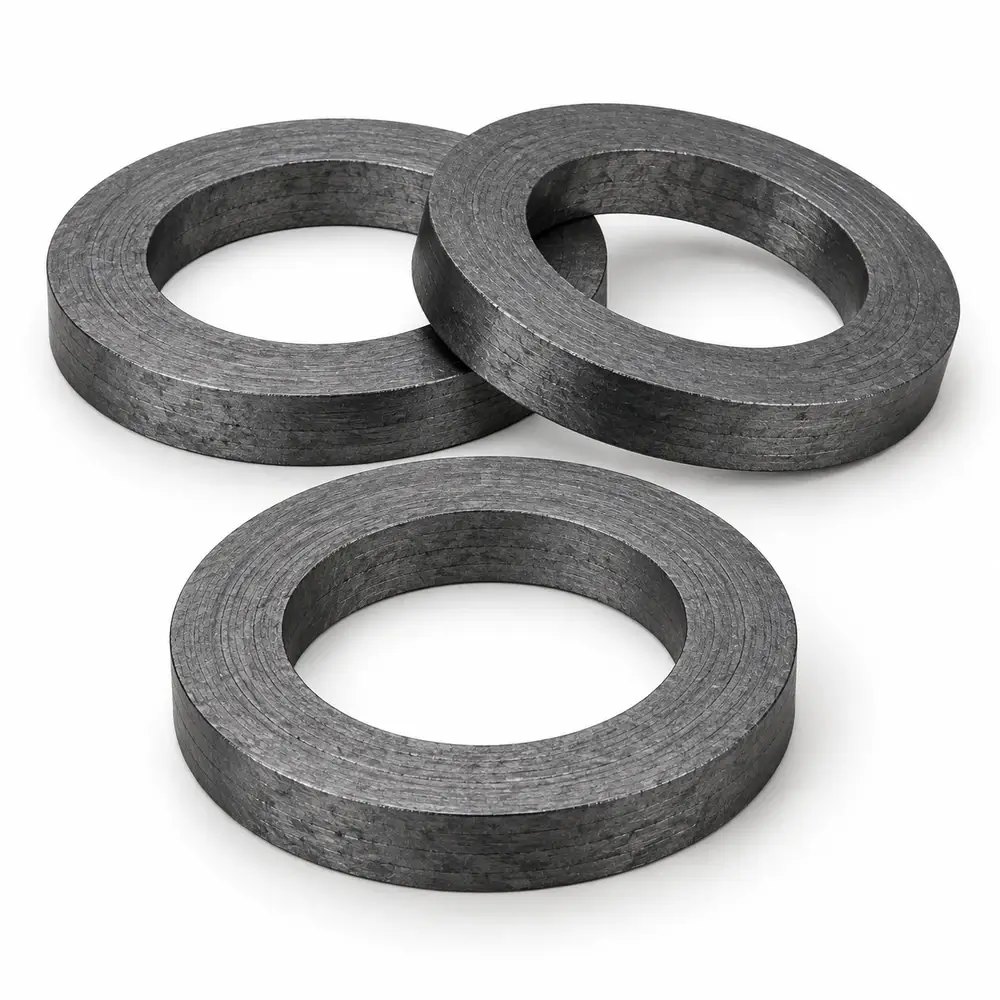
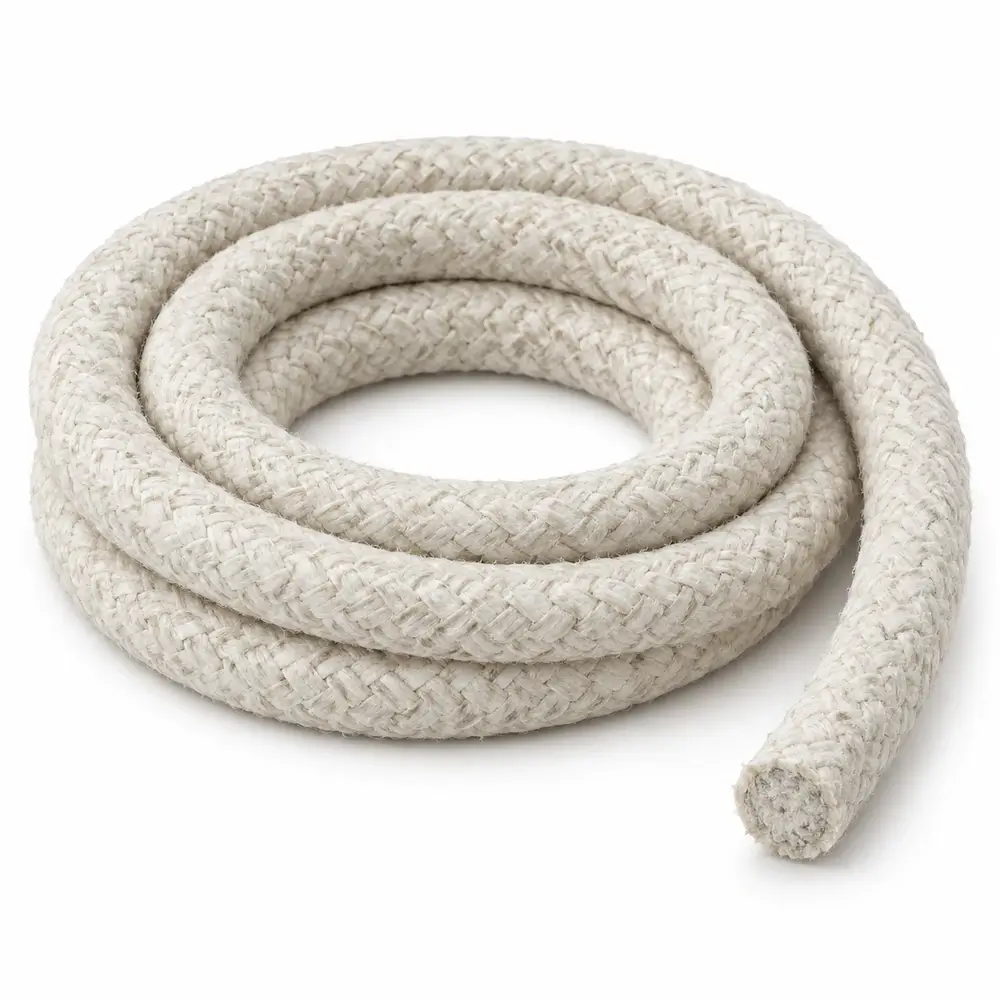
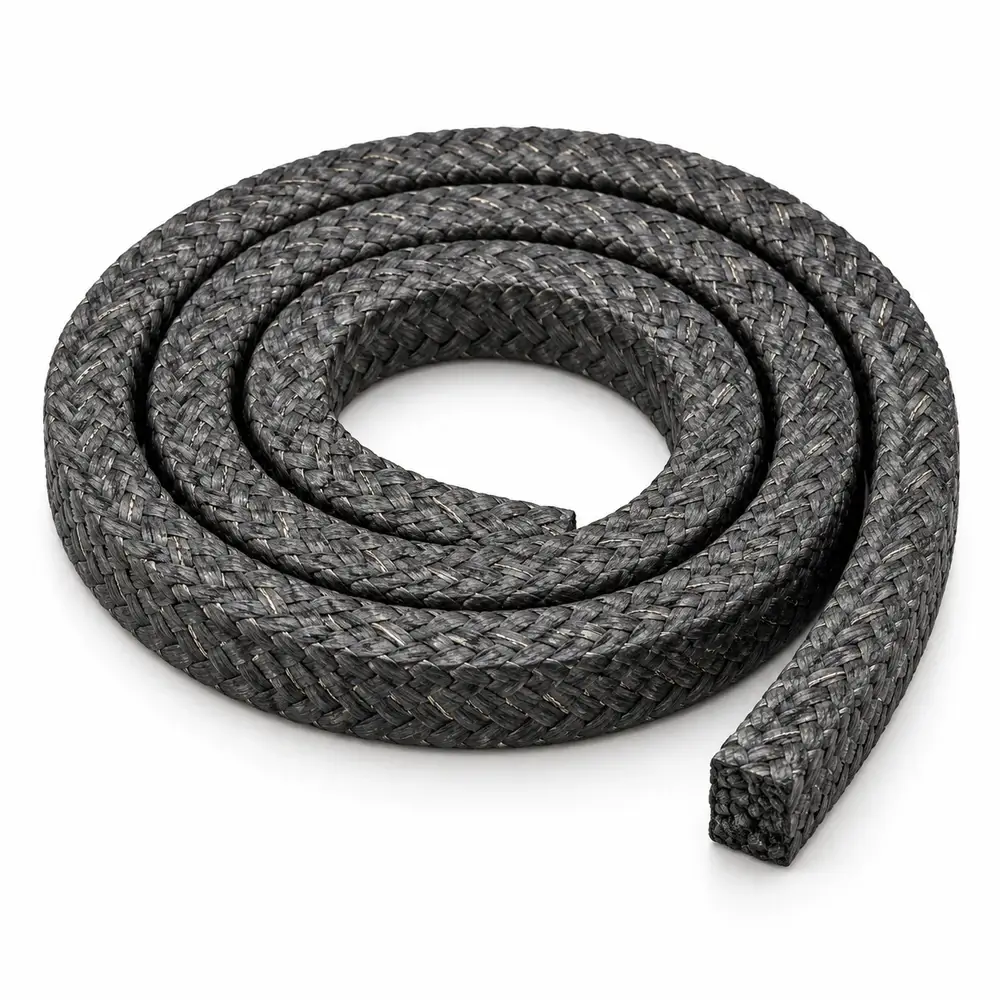
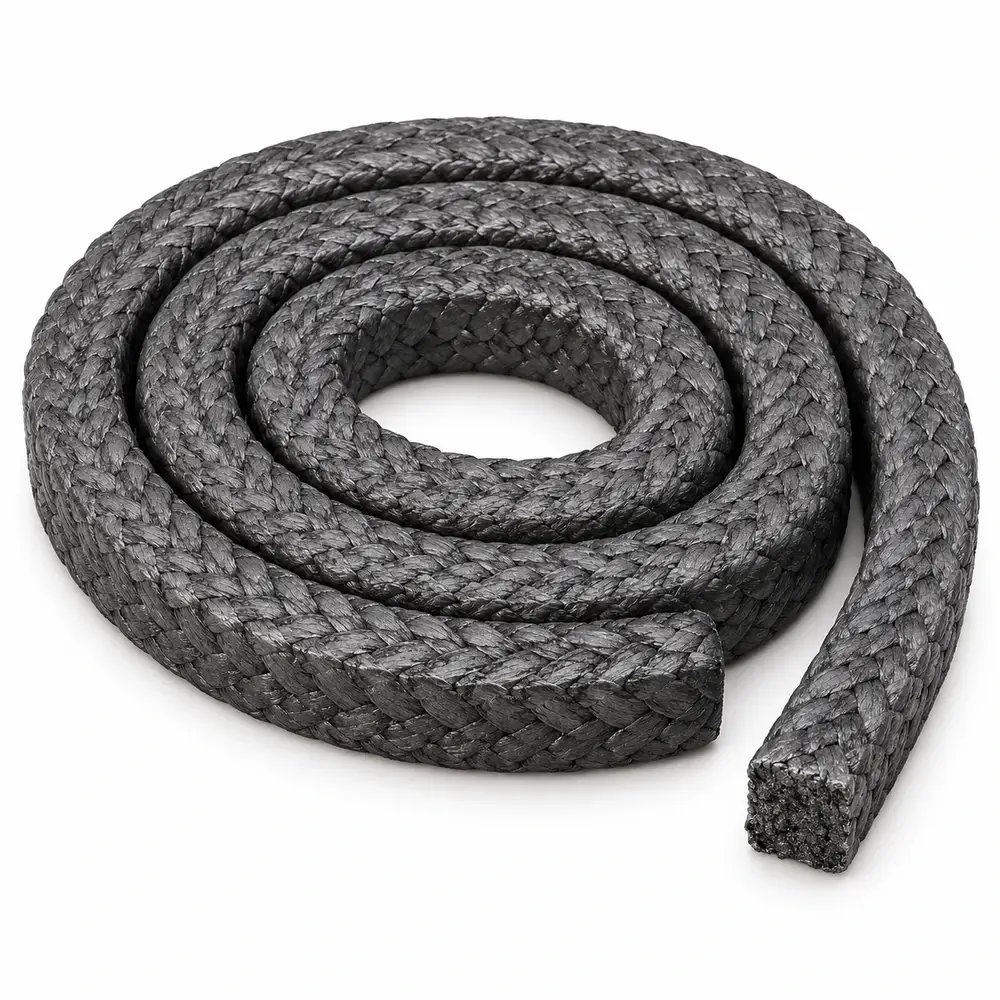
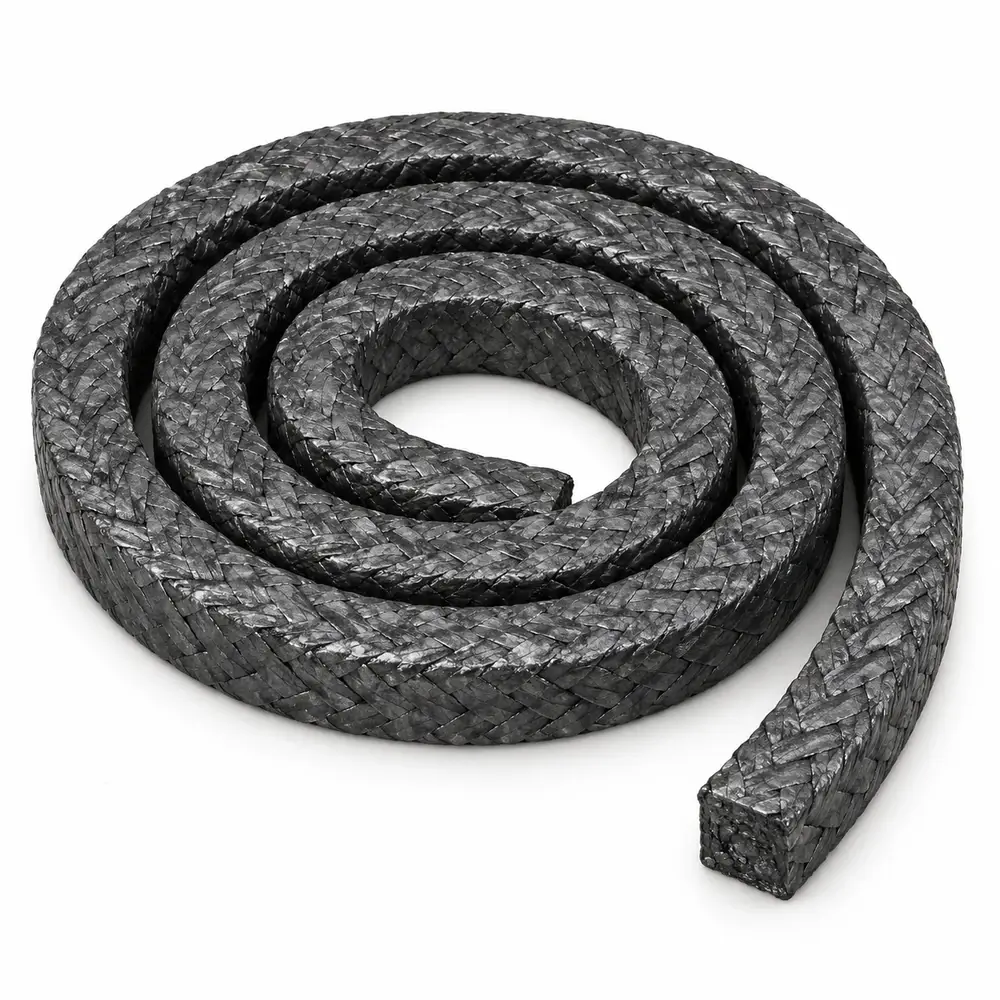
When a maintenance shutdown is already costing thousands of dollars per hour, the last thing a procurement team needs is a valve stem packing that relaxes, hardens, or starts leaking after a few thermal cycles. That is why buyers searching for reliable high-temperature sealing materials keep asking: What Is Reinforced Graphite Packing and How Does It Work? In simple terms, reinforced graphite packing is a braided compression packing made from high-purity flexible graphite yarn, often strengthened with Inconel wire, stainless steel wire, or carbon reinforcement. The graphite provides excellent thermal stability, chemical resistance, and self-lubricating performance, while the reinforcement improves mechanical strength, dimensional stability, and resistance to extrusion under pressure. For a plant engineer, this means fewer emergency shutdowns. For a maintenance planner, it means predictable installation and longer service intervals. For a purchasing manager, it means a sealing solution that can handle steam, hot oils, solvents, and many aggressive media without the fragility of standard packings. Ningbo Kaxite Sealing Materials Co., Ltd. supplies reinforced graphite packing for valve stems, pumps, mixers, and reactor applications where leakage control, torque reduction, and service life directly affect operating cost. This guide explains how the product works, what parameters buyers should check, and how to compare suppliers without drowning in technical jargon.
Article Outline
A common pain point appears when a chemical plant replaces a standard packing with a lower-cost alternative and then discovers that the stuffing box cannot hold torque, the packing extrudes into the clearance, or the valve becomes hard to operate after the first heat-up. The solution is not simply buying “graphite packing”; it is choosing a reinforced construction with the right braid, density, reinforcement, and lubricant treatment for the actual service. Reinforced graphite packing works by forming a resilient, low-friction seal through multiple braided rings compressed inside the stuffing box. Each ring deforms to fill small irregularities in the stem and box, while the graphite flakes slide against one another to reduce friction. The reinforcement carries tensile and shear loads, helping the packing stay intact when the stem moves, the valve cycles, or pressure fluctuates.
| Parameter | Typical Range | Procurement Note |
|---|---|---|
| Graphite purity | ≥98% flexible graphite | Higher purity supports chemical and thermal stability |
| Reinforcement | Inconel wire, SS wire, carbon yarn, or aramid corners | Match reinforcement to temperature, pressure, and shaft speed |
| Temperature range | -200 °C to 650 °C in steam; higher in inert atmospheres | Confirm oxidation limits for open-air applications |
| Pressure range | Up to 25 bar for valves; lower for dynamic pumps | Use application-specific limits, not catalog maximums alone |
| pH range | 0–14 for many graphite grades | Check binders, inhibitors, and lubricants against the medium |
| Density | 1.6–1.9 g/cm³ | Density affects leakage, friction, and compression recovery |
| Standard sizes | 3 mm to 25 mm square section | Confirm actual stem diameter and stuffing box clearance |
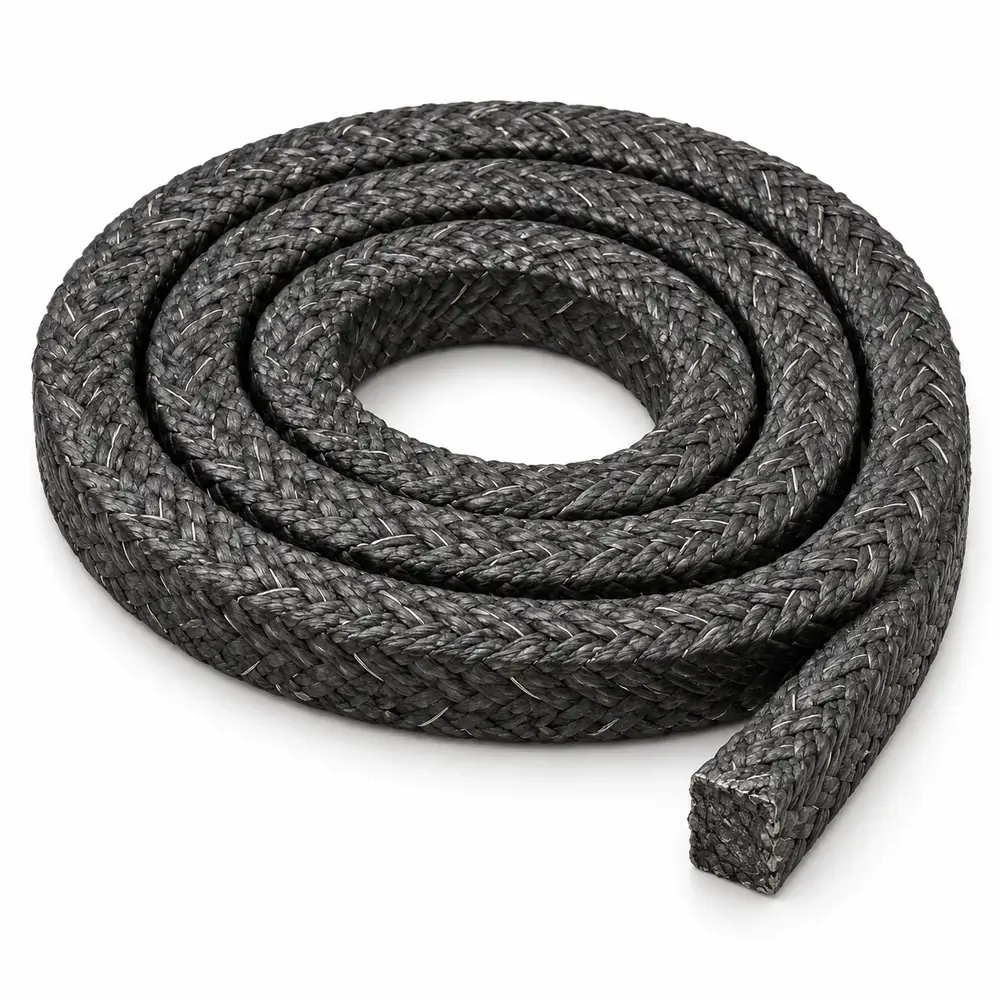
The pain scenario is familiar: a buyer receives a request for “graphite packing” from maintenance, but the RFQ does not specify reinforcement, density, or temperature limits. Three suppliers quote different products, and the lowest price may be a weaker braid that fails under high-pressure steam. The solution is to turn the request into a specification. Reinforced graphite packing is chosen because it combines the thermal resistance of graphite with the mechanical toughness needed for valve stems and rotating equipment. For procurement, the value is not only the unit price; it is lower reorder frequency, less unplanned downtime, fewer safety incidents, and simpler documentation for audits. Ningbo Kaxite Sealing Materials Co., Ltd. helps buyers convert service conditions into practical packing specifications before shipment.
| Buyer Priority | Why Reinforced Graphite Packing Helps | What to Confirm |
|---|---|---|
| High-temperature service | Graphite remains stable in steam and hot process media | Steam temperature, pressure, and cycle frequency |
| Leakage control | Dense braid and resilient graphite reduce migration and relaxation | Leakage standard, test method, and packing density |
| Low operating torque | Graphite’s self-lubricity helps reduce stem friction | Lubricant treatment and stem surface finish |
| Chemical compatibility | High-purity graphite resists many acids, alkalis, and solvents | Media concentration, temperature, and oxidizers |
| Inventory control | One qualified grade can cover multiple valve and pump sizes | Cut lengths, spool sizes, and packaging labels |
In a refinery or chemical facility, the pain point often appears during start-up: the valve is tightened to stop a visible leak, but after the system reaches operating temperature, the packing relaxes and the leak returns. The solution is correct installation plus a construction that maintains compression recovery. Reinforced graphite packing works through a balance of compression, consolidation, and controlled friction. The braided structure creates a tortuous leakage path, while graphite platelets fill micro-gaps. The reinforcement prevents the rings from separating or extruding when pressure rises. Properly installed rings are cut to length, staggered at the joints, and compressed in stages so the load is distributed evenly around the stem.
| Service Condition | Recommended Construction | Installation Focus |
|---|---|---|
| High-pressure steam valves | Wire-reinforced graphite with oxidation inhibitor | Stagger joints, control gland load, verify steam compatibility |
| Hot oil and hydrocarbon valves | High-purity graphite with low-friction treatment | Check media compatibility and fire-safety requirements |
| Chemical pumps | Graphite packing with compatible reinforcement and lubricant | Control shaft runout, clearance, and flush plan |
| Mixers and agitators | Reinforced graphite with strong dimensional stability | Account for shaft movement and radial runout |
| Valves with frequent cycling | Flexible graphite with balanced reinforcement | Prioritize low friction and compression recovery |
A purchasing manager’s pain point is rarely a lack of suppliers; it is a lack of comparable data. Two quotes may both say “reinforced graphite packing,” but one may use a thin wire reinforcement and the other may use a high-density braid designed for severe steam service. The solution is a checklist that forces apples-to-apples comparison. Ask for graphite purity, reinforcement type, density, temperature and pressure limits, lubricant treatment, pH compatibility, dimensional tolerance, and test reports. This is where Ningbo Kaxite Sealing Materials Co., Ltd. adds practical value: the team can review the valve or pump data, recommend a construction, and supply documentation that supports incoming inspection and maintenance planning.
| Checkpoint | What to Ask For | Buyer Benefit |
|---|---|---|
| Material identity | Graphite purity and reinforcement composition | Confirms the grade is suitable for the media and temperature |
| Dimensions | Square section tolerance and length per spool | Reduces installation waste and fitting problems |
| Density | Measured g/cm³ range | Supports leakage control and compression performance |
| Lubricant | Type and content of friction modifier | Affects operating torque and start-up friction |
| Testing | Leakage, density, and dimensional inspection records | Simplifies quality audits and incoming inspection |
| Packaging | Clean spools, labels, batch traceability | Protects material and improves warehouse control |
Question: What Is Reinforced Graphite Packing and How Does It Work when a valve cycles between hot and cold states?
Answer: It is a braided compression packing made from flexible graphite yarn with a reinforcing wire or fiber. In valve service, multiple rings are compressed inside the stuffing box to create a seal around the stem. When the valve heats up, the graphite expands and the reinforcement helps the packing maintain structural integrity. When the valve cools, the graphite’s resilience helps it recover compression. For valve service, buyers should confirm stem diameter, stuffing box depth, pressure, temperature, and media. Ningbo Kaxite Sealing Materials Co., Ltd. can recommend a reinforced graphite packing grade based on those conditions, helping maintenance teams reduce leakage and extend packing life.
Question: What Is Reinforced Graphite Packing and How Does It Work in steam lines and chemical processes where leakage and corrosion matter?
Answer: In steam and chemical service, reinforced graphite packing works by combining high-purity graphite’s thermal and chemical resistance with reinforcement that resists extrusion and mechanical damage. Steam service requires attention to temperature, pressure, and oxidation conditions. Chemical service requires checking the media, concentration, pH, and any oxidizers that could affect graphite or the reinforcement. The right construction forms a stable seal while reducing friction on the stem or shaft. Ningbo Kaxite Sealing Materials Co., Ltd. supports buyers with application review, material selection, and batch documentation so the specified packing matches the real operating environment.
The pain point for many overseas buyers is communication lag: a plant needs a sealing material quickly, but the supplier sends a generic data sheet that does not answer the maintenance team’s questions. The solution is application-focused support. Ningbo Kaxite Sealing Materials Co., Ltd. works with procurement teams, distributors, and maintenance engineers to define the service conditions, select the right reinforced graphite packing, and prepare clear quotations with dimensions, packaging, and delivery details. Whether the requirement is high-temperature valve stem packing, pump packing, or a custom braided graphite solution, the company focuses on consistent quality and practical problem solving.
| Buyer Challenge | Kaxite Support | Result for the Buyer |
|---|---|---|
| Unclear specification | Application review based on temperature, pressure, media, and equipment | Fewer wrong orders and reduced trial-and-error |
| Quality consistency | Batch control, dimensional checks, and material verification | More predictable installation and performance |
| Urgent replacement | Practical packing recommendations and shipping coordination | Faster response to maintenance windows |
| Documentation needs | Product data, packing details, and order traceability | Easier audits and incoming inspection |
Ready to compare specifications or request a sample? Share your valve or pump data, operating temperature, pressure, media, and required packing size with Ningbo Kaxite Sealing Materials Co., Ltd., and the team will help you move from a vague RFQ to a clear, installable sealing solution.
Ningbo Kaxite Sealing Materials Co., Ltd. is a professional supplier of sealing materials and compression packing solutions for industrial maintenance, valve, pump, and process applications. The company supports buyers with reinforced graphite packing, PTFE packing, aramid packing, and other sealing products, backed by application guidance and export experience. Learn more at https://www.vegetable-fiber-packing.com or contact [email protected] for product recommendations, samples, and quotations.
Wang, L., Zhang, Q., & Liu, H. (2018). High-temperature sealing performance of expanded graphite packings in valve stems. Tribology International, 121, 45–54.
Chen, Y., Sun, J., & Peng, X. (2019). Friction and leakage behavior of braided graphite packing under steam cycling. Wear, 426–427, 1124–1132.
Li, R., Zhao, M., & Xu, D. (2020). Influence of wire reinforcement on the mechanical integrity of flexible graphite packing. Journal of Materials Engineering and Performance, 29(8), 5121–5130.
Kumar, A., Singh, P., & Rao, V. (2017). Tribological evaluation of graphite yarn packings for rotary pumps. Tribology Transactions, 60(4), 689–699.
Müller, T., Becker, K., & Hoffmann, R. (2021). Leakage mechanisms and relaxation of compression packings in chemical process valves. Sealing Technology, 2021(6), 7–13.
Sato, H., Ito, K., & Nakamura, M. (2016). Thermal stability and oxidation resistance of reinforced graphite packing materials. Industrial Lubrication and Tribology, 68(3), 401–409.
Garcia, P., Fernandez, J., & Lopez, M. (2022). API 622 fugitive emission testing of graphite valve packings. Journal of Pressure Vessel Technology, 144(3), 031402.
Zhou, J., Wu, F., & Huang, S. (2015). Compressibility and recovery of expanded graphite sealing materials. Materials & Design, 65, 1050–1057.
Patel, N., Desai, R., & Shah, M. (2019). Chemical compatibility of graphite packings in aggressive process media. Anti-Corrosion Methods and Materials, 66(5), 612–621.
Brown, D., Miller, S., & Clark, J. (2020). Best practices for valve stem packing installation and bolt load control. Sealing Technology, 2020(10), 8–14.