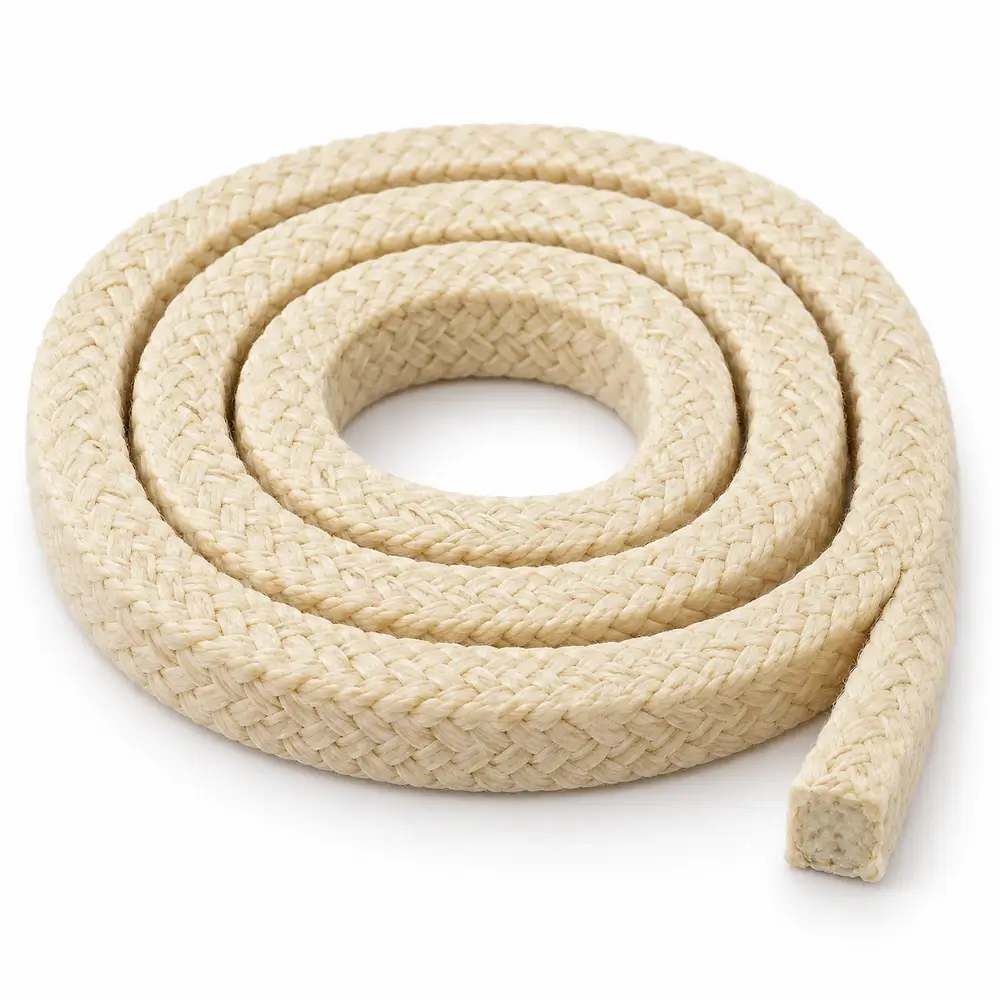
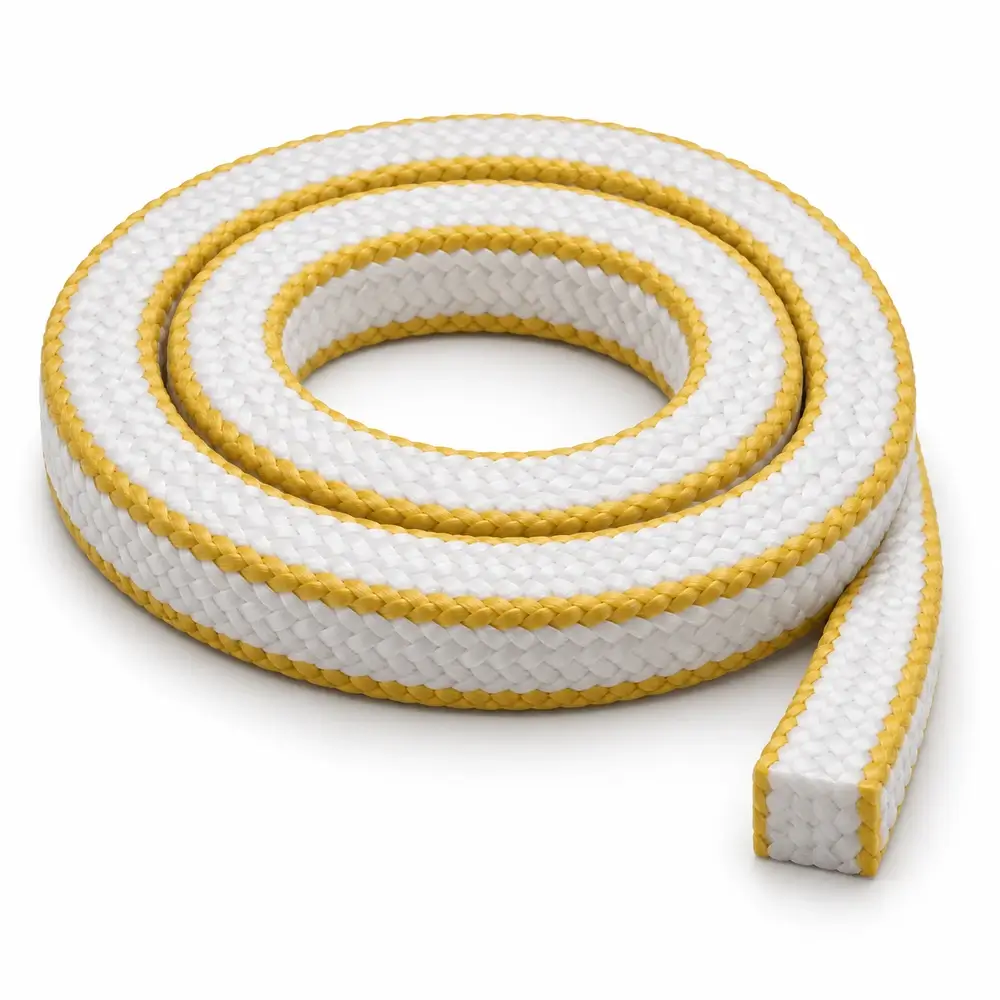
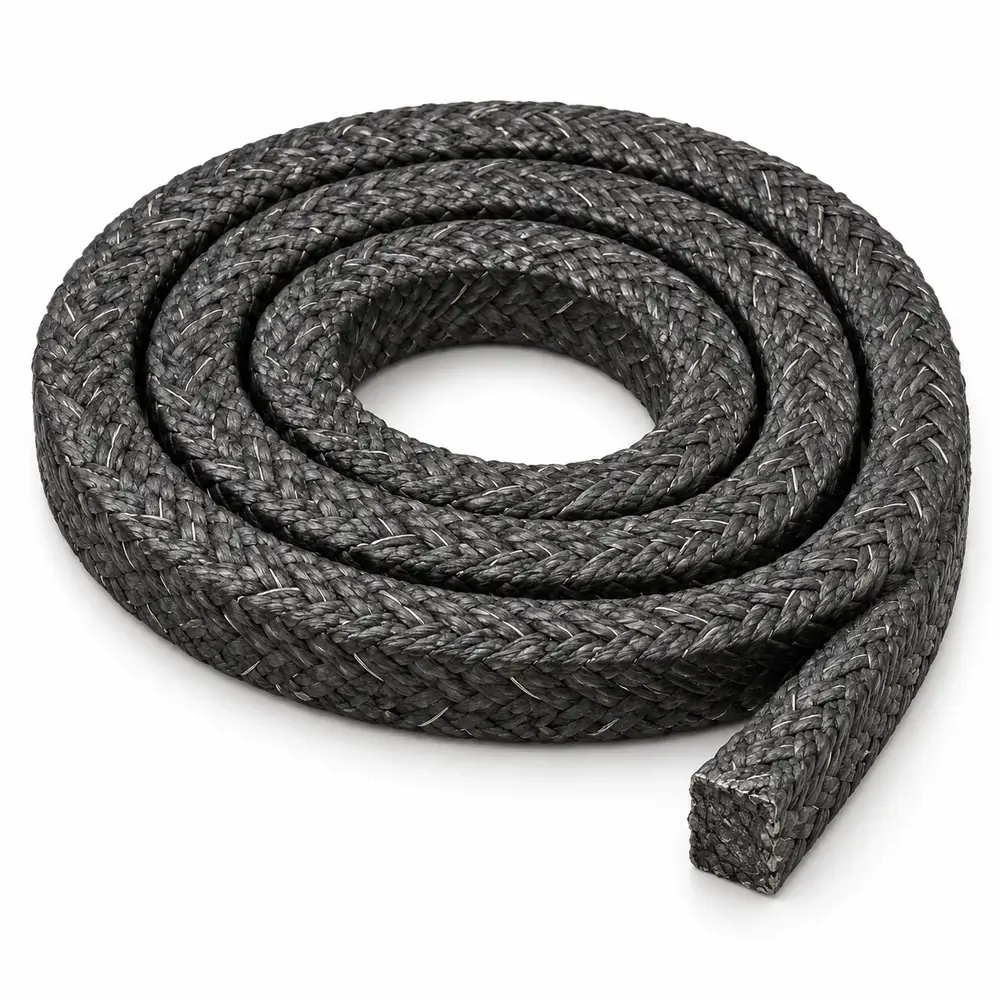
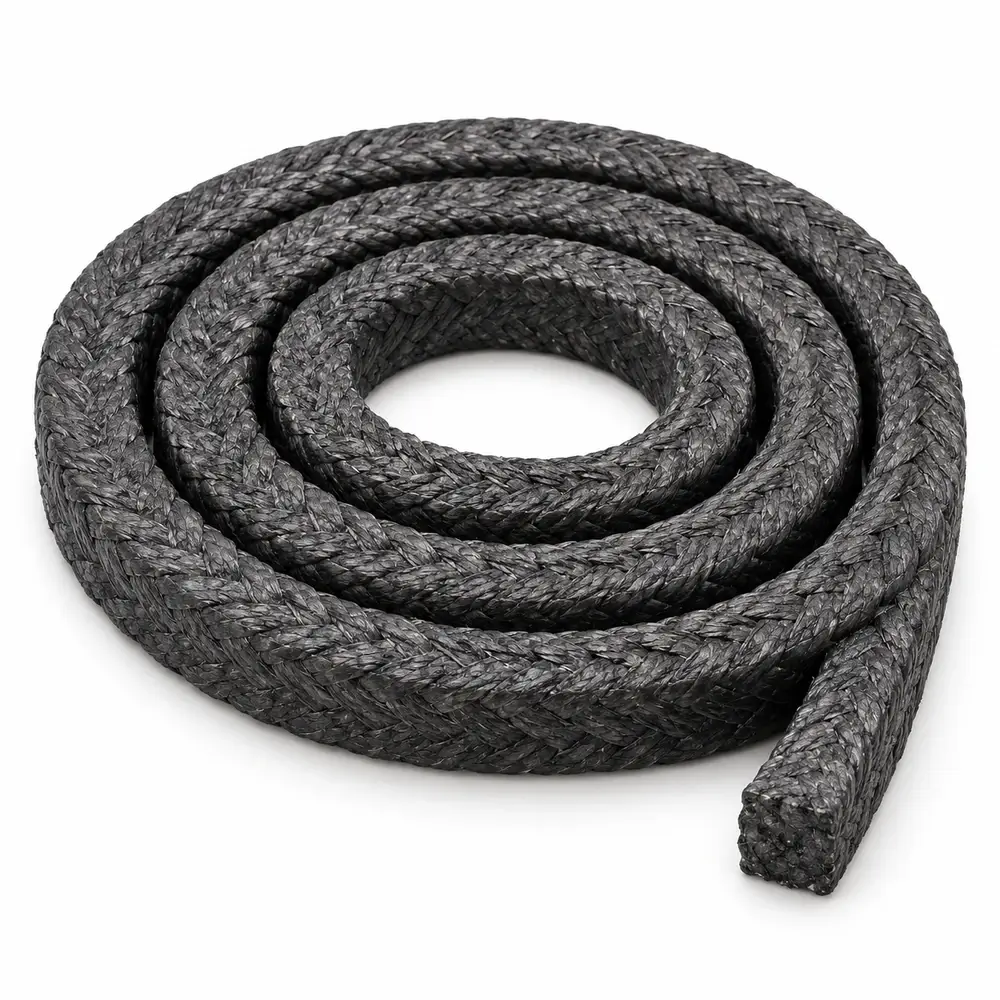
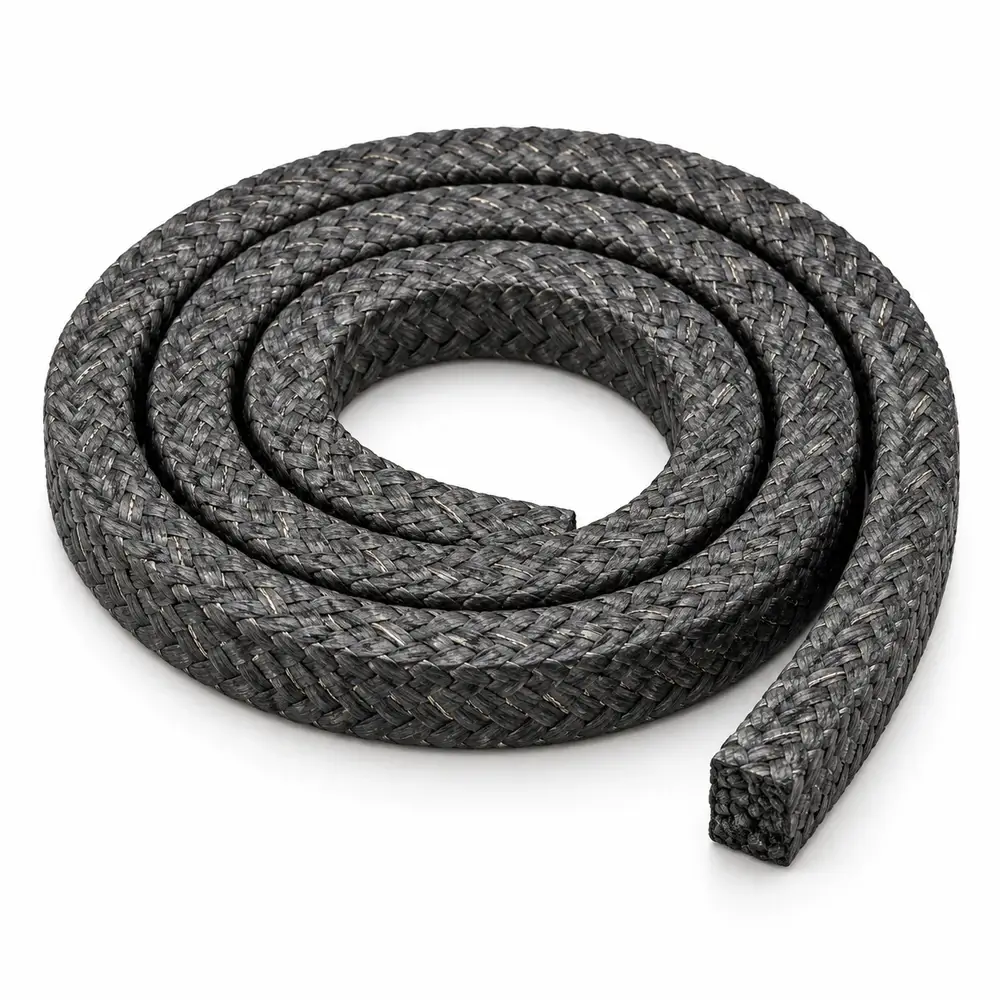
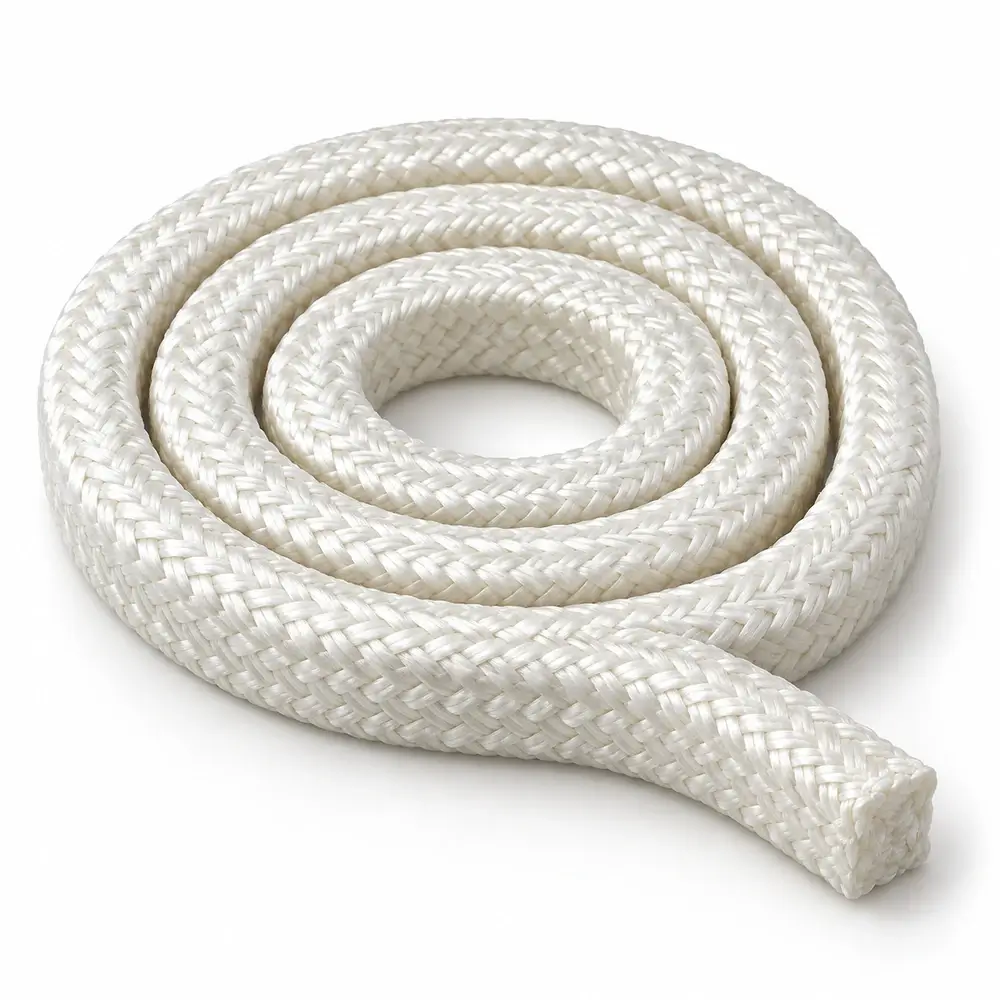
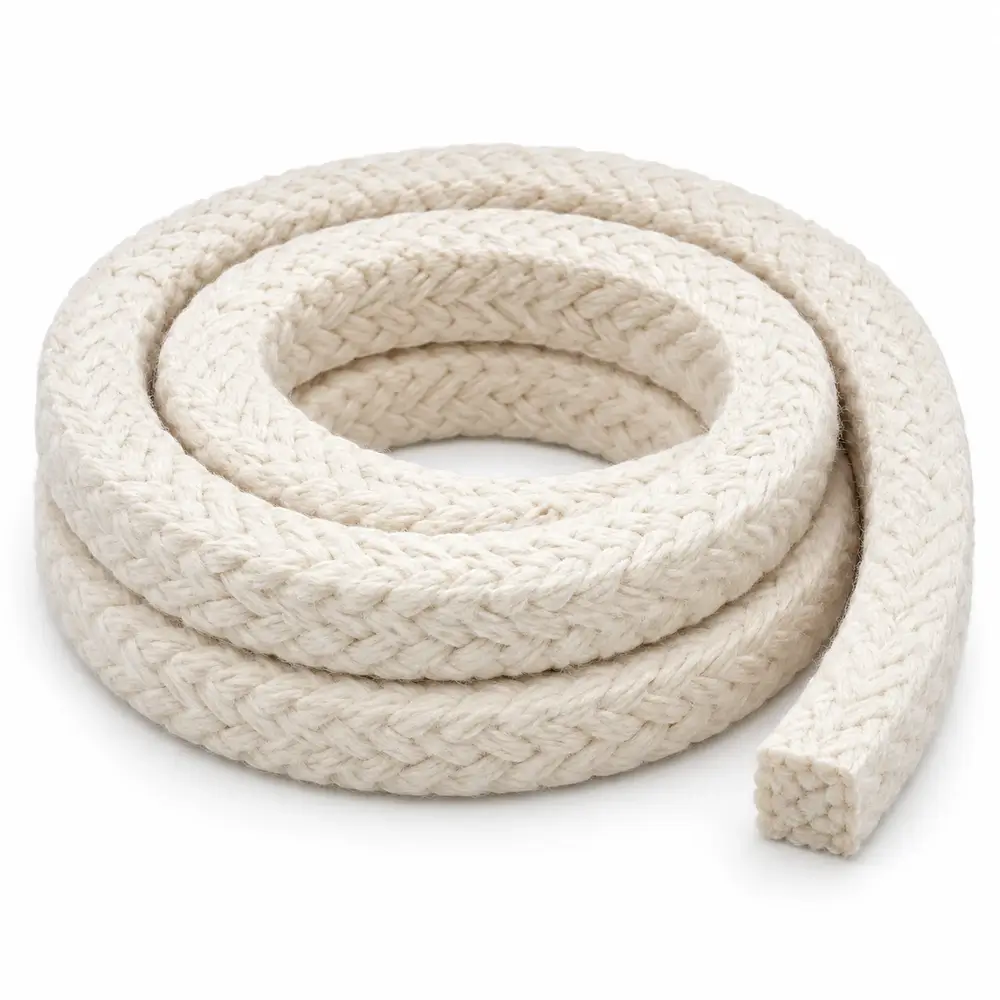
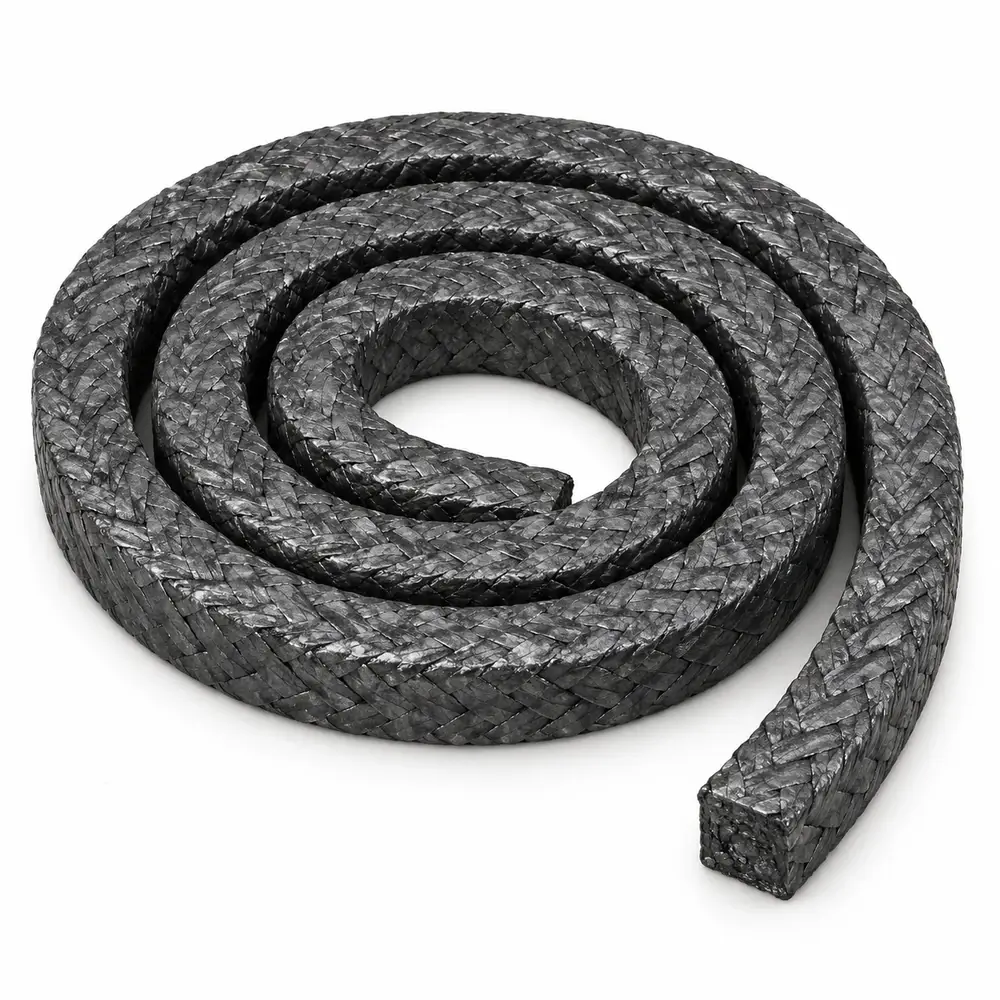
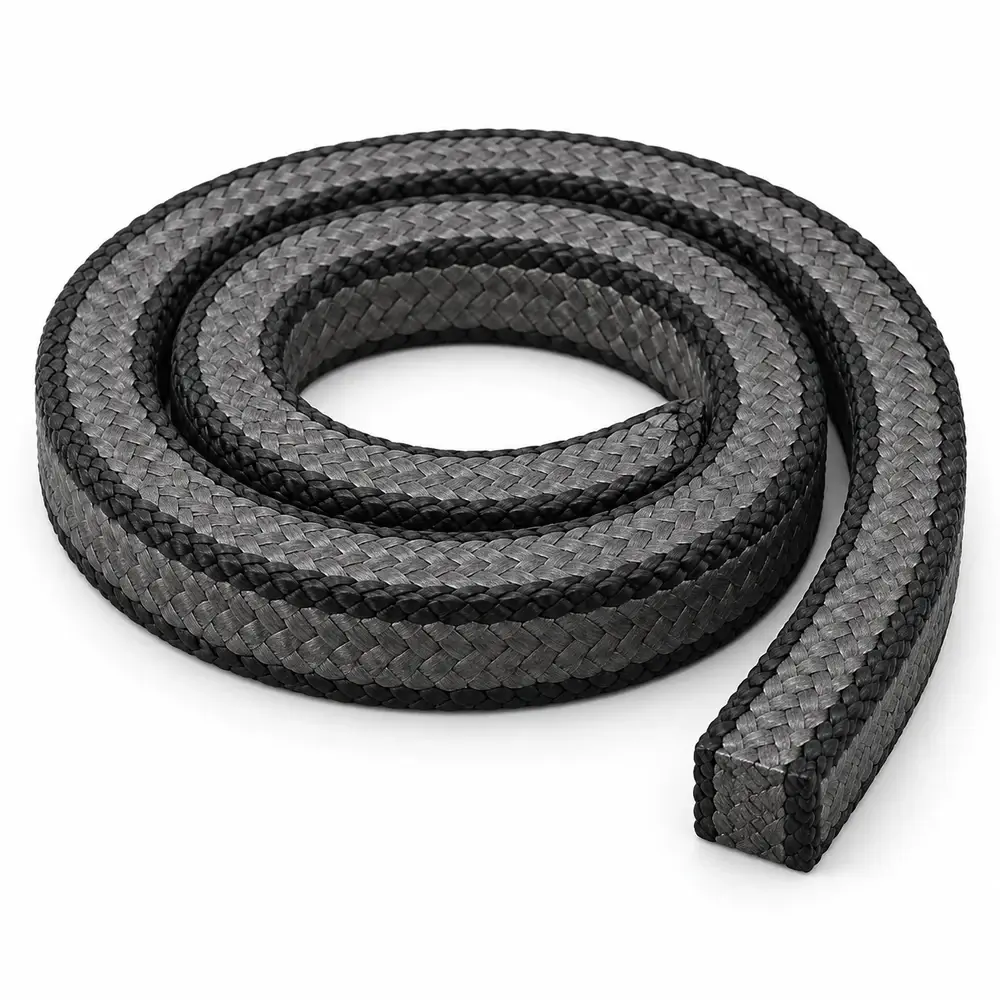
A shipment leaves the dock on a humid Monday morning, sits in a coastal container yard for two weeks, and then enters a warehouse where temperature swings by 20°C between shifts. For procurement teams, the real question is not whether Vegetable Fiber Packing looks cost-effective on a quote; it is whether the material will still seal, cushion, and hold dimensions after that journey. How Durable Is Vegetable Fiber Packing for Shipping and Storage? The answer depends on fiber quality, density control, binder chemistry, moisture management, compression recovery, and the storage conditions specified by the buyer. Vegetable fiber packing can deliver dependable performance in many dry and moderately humid applications, but it is not a universal substitute for every elastomer or PTFE gasket. Buyers who compare tensile strength, compression set, water absorption, oil resistance, and shelf life before approving a supplier reduce returns, rework, and unplanned downtime. Ningbo Kaxite Sealing Materials Co., Ltd. supports this evaluation with batch-controlled vegetable fiber packing, practical specification guidance, and export-ready documentation. This guide translates technical durability factors into procurement checks, table-based parameters, and warehouse scenarios so sourcing teams can choose with confidence.
Durability and Total Cost in Shipping and Storage
Pain point scenario: A purchasing manager receives a low quote for vegetable fiber packing, approves a trial order, and later discovers that cartons near a warehouse door have absorbed moisture and lost thickness. Maintenance teams complain about uneven sealing, while the warehouse team faces re-packing and delayed dispatch. The lowest unit price becomes the highest total cost when durability is not specified.
Solution: Treat durability as a purchasing specification, not a vague material claim. Request batch test data for density, tensile strength, compression recovery, and moisture content. Ask the supplier to state recommended storage humidity, shelf life, and handling limits. Ningbo Kaxite Sealing Materials Co., Ltd. helps buyers convert application details into a practical specification so that shipping and storage conditions are matched to the right grade of vegetable fiber packing. For dry indoor storage and moderate sealing duties, a controlled-density fiber packing can offer stable performance and predictable cost. For humid ports, long ocean transit, or repeated handling, buyers should confirm moisture protection, packaging, and re-test intervals before approval.
| Procurement parameter | Typical target for durable storage | Why it matters |
|---|---|---|
| Density | Consistent batch-to-batch value agreed with supplier | Supports compression recovery and dimensional stability |
| Tensile strength | Verified by supplier test report | Reduces cracking or tearing during handling |
| Moisture content | Controlled and declared before shipment | Limits swelling, softening, and odor risk |
| Compression recovery | Measured after representative load cycles | Maintains sealing pressure after storage |
| Shelf life | Defined by grade and storage conditions | Prevents use of aged or weakened stock |
Compression, Vibration, and Load Recovery
Pain point scenario: Packing materials are stacked in a container, vibrated over rail and road segments, and then compressed again when flanges are tightened. A product that feels firm in the sample room may flatten in the warehouse or fail to recover after transport. Buyers who source only by appearance can miss compression set, a key durability factor for sealing and cushioning.
Solution: Ask for compression set and recovery data under conditions that resemble your shipment and installation. For export orders, simulate stacked cartons, long transit vibration, and seasonal temperature changes. Kaxite vegetable fiber packing is produced for buyers who need a practical balance of fiber reinforcement, density control, and handling strength. When the application includes repeated clamping or long storage before installation, specify a grade with suitable recovery and confirm that cartons remain rigid during stacking. A supplier that understands sealing materials can recommend a grade rather than simply selling a generic sheet.
| Test focus | Procurement question | Acceptance note |
|---|---|---|
| Compression set | What recovery remains after representative load? | Set a limit based on flange pressure and duty cycle |
| Vibration exposure | Does the carton protect edges and flatness? | Use inner packing and pallet restraint for export |
| Stack load | Will cartons deform under warehouse stacking? | Declare maximum stack height and storage time |
| Thickness tolerance | Is thickness stable after transit? | Check incoming goods against agreed tolerance |
| Recovery after storage | Does the material still seal after 3–6 months? | Re-test aged samples before critical use |
Moisture, Heat, and Shelf Life in Real Warehouses
Pain point scenario: A warehouse near a port has high humidity in summer and dry heat in winter. Pallets stored near a loading door absorb moisture, while cartons near a roof panel experience daily temperature cycling. The packing may look acceptable but develop soft edges, dimensional change, or reduced strength before installation.
Solution: Define storage conditions in the purchase order and verify packaging protection. Vegetable fiber packing is hygroscopic by nature, so buyers should plan for sealed inner bags, pallet wraps, and a clean, dry storage zone. Ningbo Kaxite Sealing Materials Co., Ltd. supports export buyers with packaging guidance and batch documentation so that moisture exposure is controlled from factory to warehouse. For long storage, use a first-in, first-out system and inspect cartons at defined intervals. If the material is intended for critical sealing, keep reference samples from each batch and compare color, thickness, flexibility, and surface condition before use.
| Storage factor | Practical control | Durability effect |
|---|---|---|
| Relative humidity | Dry, ventilated warehouse; sealed inner packaging | Reduces moisture uptake and swelling |
| Temperature | Avoid direct sun, roof heat, and freezing cycles | Maintains flexibility and dimensional stability |
| Shelf life | First-in, first-out with dated labels | Prevents aged stock from entering critical jobs |
| Pallet position | Keep away from doors, drains, and walls | Limits condensation and pest risk |
| Incoming inspection | Check moisture, odor, thickness, and surface | Catches storage damage before installation |
Chemical Contact, Oil Resistance, and Sealing Reliability
Pain point scenario: A maintenance planner uses vegetable fiber packing in a plant where oil mist, cleaning agents, and process fluids are present. The first installation works, but after several weeks the packing softens, stains, or loses sealing pressure. The buyer needs to know whether the material is suitable for the fluid contact and whether a barrier or different grade is required.
Solution: Match the packing grade to the actual media, temperature, and pressure. Vegetable fiber packing is often favored for general industrial sealing and dry or lightly lubricated duties, but fluid compatibility must be confirmed. Kaxite helps buyers review application details and select a suitable vegetable fiber packing grade or recommend an alternative when chemical exposure is aggressive. Procurement teams should request a compatibility statement, sample testing, and installation guidance. For mixed plant environments, keep separate stock codes for general sealing and oil-contact duties to avoid misissue in the warehouse.
| Contact condition | Buyer action | Durability check |
|---|---|---|
| Light oil mist | Confirm supplier experience with similar duty | Inspect swelling and sealing pressure after trial |
| Cleaning chemicals | Provide fluid name and concentration | Request compatibility guidance before approval |
| High temperature | Compare continuous and peak temperature | Do not exceed grade limits |
| Outdoor or humid site | Use protected storage and sealed packaging | Check moisture before installation |
| Critical flange | Use batch traceability and reference samples | Verify compression and recovery data |
Handling, Cutting, Reuse, and Disposal Checks
Pain point scenario: Warehouse staff cut sheets to size with dull blades, store offcuts in open bins, and sometimes reuse packing that has already been compressed. The material may be durable in the original carton but damaged by poor handling. Buyers then face inconsistent installation and complaints that the product did not last.
Solution: Include handling instructions with every shipment. Use sharp cutting tools, clean work surfaces, and labeled bins for offcuts. Do not reuse packing that has been crushed, contaminated, or exposed to moisture. Ningbo Kaxite Sealing Materials Co., Ltd. can provide practical storage and handling notes so that buyers, warehouse teams, and maintenance staff follow one standard. For sustainable procurement, vegetable fiber packing can support disposal and recycling goals, but the durability plan must still protect the material before use. Train receiving staff to reject cartons with water stains, torn inner bags, or deformed edges.
| Handling point | Recommended practice | Risk reduced |
|---|---|---|
| Cutting | Use sharp blades and a clean template | Edge fraying and thickness variation |
| Offcuts | Store in closed, labeled containers | Moisture and contamination |
| Reuse | Do not reuse crushed or wet material | Leak paths and sealing failure |
| Disposal | Follow local rules and site sustainability policy | Compliance and waste cost |
| Training | Brief receiving and maintenance teams | Misuse and inconsistent installation |
Procurement Q&A: How Durable Is Vegetable Fiber Packing for Shipping and Storage?
Q1. How durable is vegetable fiber packing when cartons sit in a warehouse for six months?
A1. Durability over six months depends on the grade, initial moisture content, packaging, and warehouse conditions. In a dry, ventilated warehouse with sealed inner bags and stable stacking, vegetable fiber packing can remain usable for normal sealing duties, but buyers should set a shelf life with the supplier and inspect cartons before use. Humid storage near doors, drains, or roof heat can reduce performance. For critical applications, keep batch samples and re-check thickness, flexibility, and surface condition before installation. Ningbo Kaxite Sealing Materials Co., Ltd. recommends documenting storage limits in the purchase order and using first-in, first-out control.
Q2. How durable is vegetable fiber packing after ocean shipping and repeated handling?
A2. Ocean shipping exposes packing to vibration, stack load, and humidity changes. A well-packed export carton with moisture protection, pallet restraint, and clear handling marks helps the material arrive in stable condition. Buyers should ask for compression recovery and moisture data, then compare incoming goods with the approved sample. If the packing will be stored for months before use, specify a grade and packaging system that match the site. Kaxite vegetable fiber packing is supported with export-ready documentation and practical guidance for buyers who need consistent sealing materials across multiple shipments.
| Q&A topic | Key procurement check | Durability outcome |
|---|---|---|
| Six-month storage | Shelf life, sealed packaging, dry location | Usable stock with controlled inspection |
| Ocean transit | Compression recovery and carton strength | Stable flatness and sealing performance |
| Humid warehouse | Inner bags, pallet wrap, door distance | Lower moisture uptake |
| Critical flange use | Batch traceability and sample retention | Faster approval and fewer leaks |
Specification Table and Supplier Checklist
Pain point scenario: A buyer compares three suppliers using only price, thickness, and delivery time. The approved material arrives with no test data, no storage guidance, and no batch traceability. When a problem appears months later, the team cannot tell whether the cause was material, storage, or installation.
Solution: Use a simple specification table and supplier checklist before placing an order. Ningbo Kaxite Sealing Materials Co., Ltd. supports procurement teams with clear product data, batch controls, and responsive communication for vegetable fiber packing. Confirm the application, storage plan, and inspection method in writing. This approach protects both the buyer and the supplier because expectations are visible from the first quote to the final delivery.
| Specification item | Buyer requirement | Supplier evidence |
|---|---|---|
| Material grade | Vegetable fiber packing suitable for application | Product data sheet and grade name |
| Thickness and density | Agreed tolerance for sealing and handling | Batch inspection record |
| Moisture control | Declared limit and sealed packaging | Test result and packing method |
| Compression recovery | Data for expected load and storage time | Test report or reference sample |
| Shelf life | Defined storage conditions and re-test rule | Label, date code, and handling guide |
| Traceability | Batch code on carton and documents | Packing list and certificate |
| Contact support | Fast technical response before and after order | Named contact and email address |
For buyers who want a dependable source for sealing materials, Ningbo Kaxite Sealing Materials Co., Ltd. combines practical product knowledge with export experience. The company supplies vegetable fiber packing and related sealing materials through https://www.vegetable-fiber-packing.com and welcomes procurement questions, sample requests, and specification reviews at [email protected]. Share your shipping route, storage conditions, fluid contact, and target shelf life, and the team can help you define a durable, cost-effective packing plan for your next order.
Selected Research References
K. L. Pickering, M. G. A. Efendy, and T. M. Le, 2016, A review of recent developments in natural fibre composites and their mechanical performance, Composites Part A: Applied Science and Manufacturing, 83, 98–112.
A. K. Mohanty, M. Misra, and L. T. Drzal, 2002, Sustainable bio-composites from renewable resources: opportunities and challenges in the green materials world, Journal of Polymers and the Environment, 10(1–2), 19–26.
D. Nabi Saheb and J. P. Jog, 1999, Natural fiber polymer composites: a review, Advances in Polymer Technology, 18(4), 351–363.
S. Kalia, B. S. Kaith, and I. Kaur, 2009, Pretreatments of natural fibers and their application as reinforcing material in polymer composites—a review, Polymer Engineering & Science, 49(7), 1253–1272.
M. J. John and R. D. Anandjiwala, 2008, Recent developments in chemical modification and characterization of natural fiber-reinforced composites, Polymer Composites, 29(2), 187–207.
A. K. Bledzki and J. Gassan, 1999, Composites reinforced with cellulose based fibres, Progress in Polymer Science, 24(2), 221–274.
H. Ku, H. Wang, N. Pattarachaiyakoop, and M. Trada, 2011, A review on the tensile properties of natural fiber reinforced polymer composites, Composites Part B: Engineering, 42(4), 856–873.
O. Faruk, A. K. Bledzki, H.-P. Fink, and M. Sain, 2012, Biocomposites reinforced with natural fibers: 2000–2010, Progress in Polymer Science, 37(11), 1552–1596.
J. Summerscales, N. P. J. Dissanayake, A. S. Virk, and W. Hall, 2010, A review of bast fibres and their composites. Part 1 – Fibres as reinforcements, Composites Part A: Applied Science and Manufacturing, 41(10), 1329–1335.
K. G. Satyanarayana, G. G. C. Arizaga, and F. Wypych, 2009, Biodegradable composites based on lignocellulosic fibers—an overview, Progress in Polymer Science, 34(9), 982–1021.