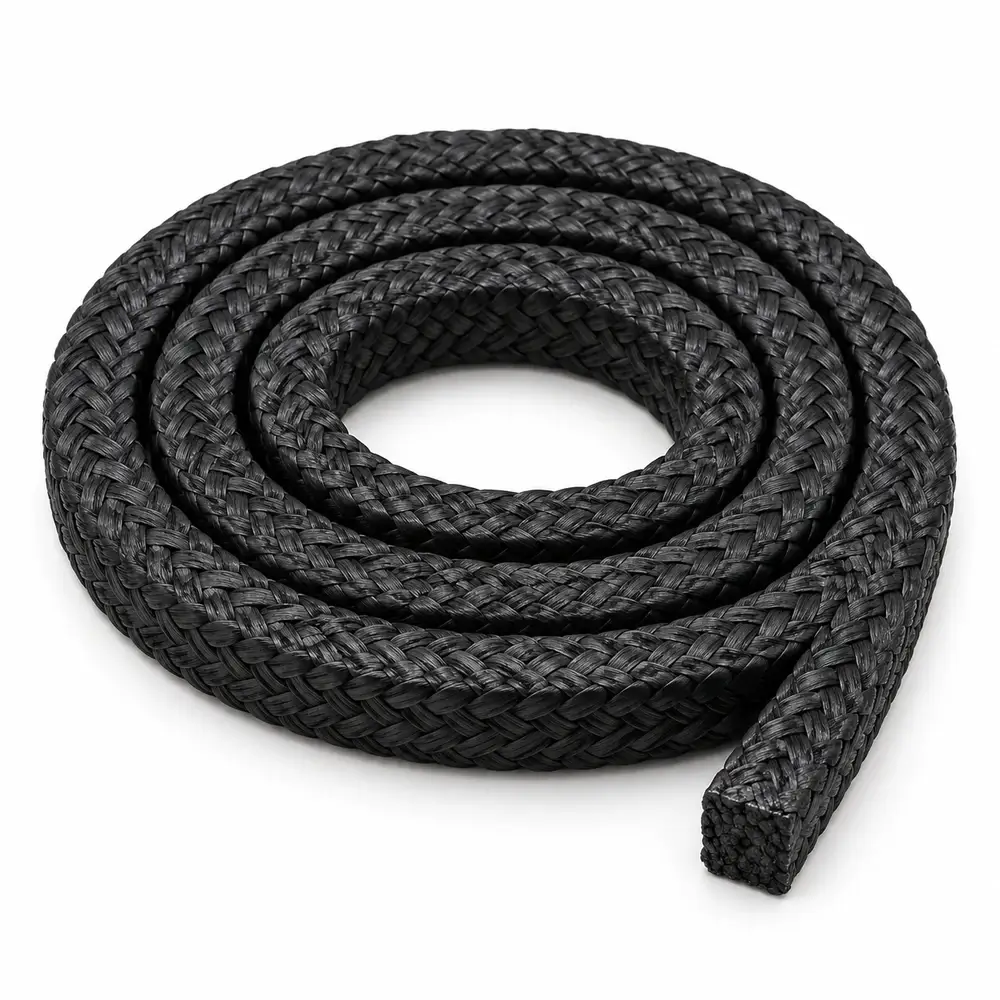
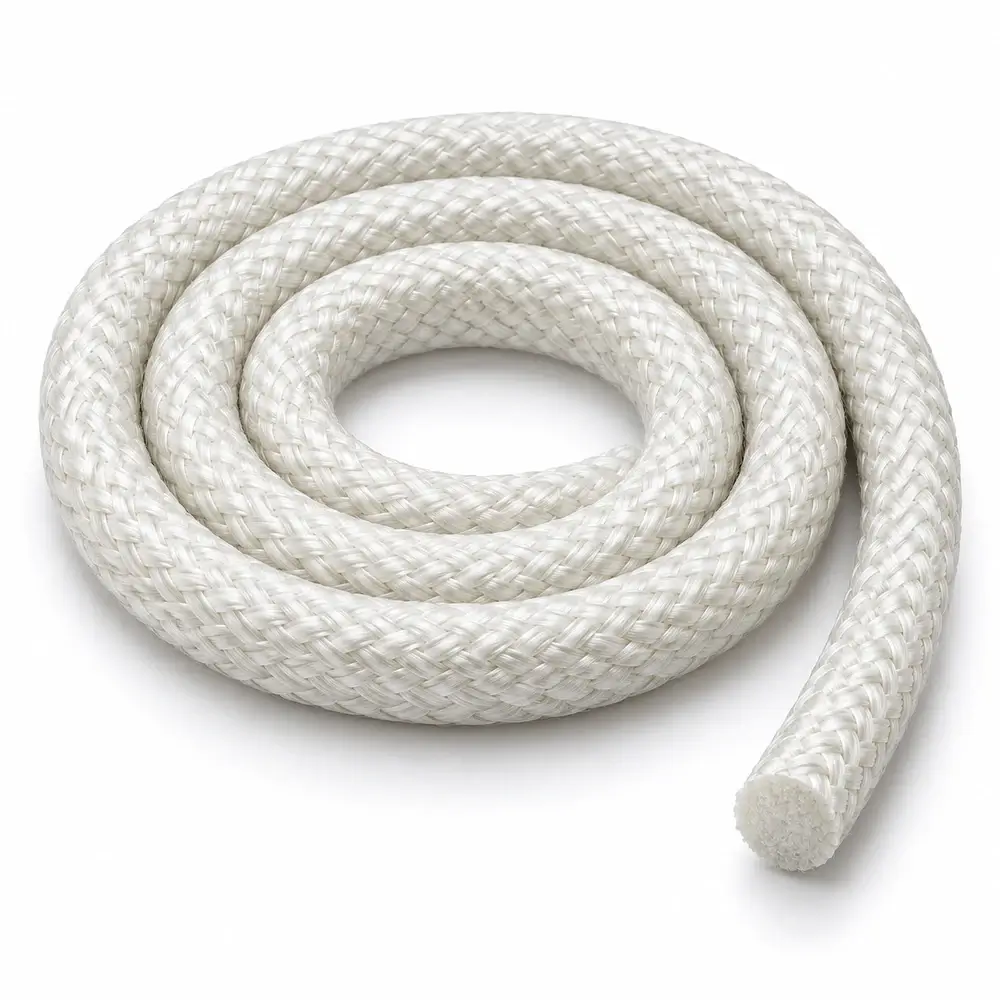
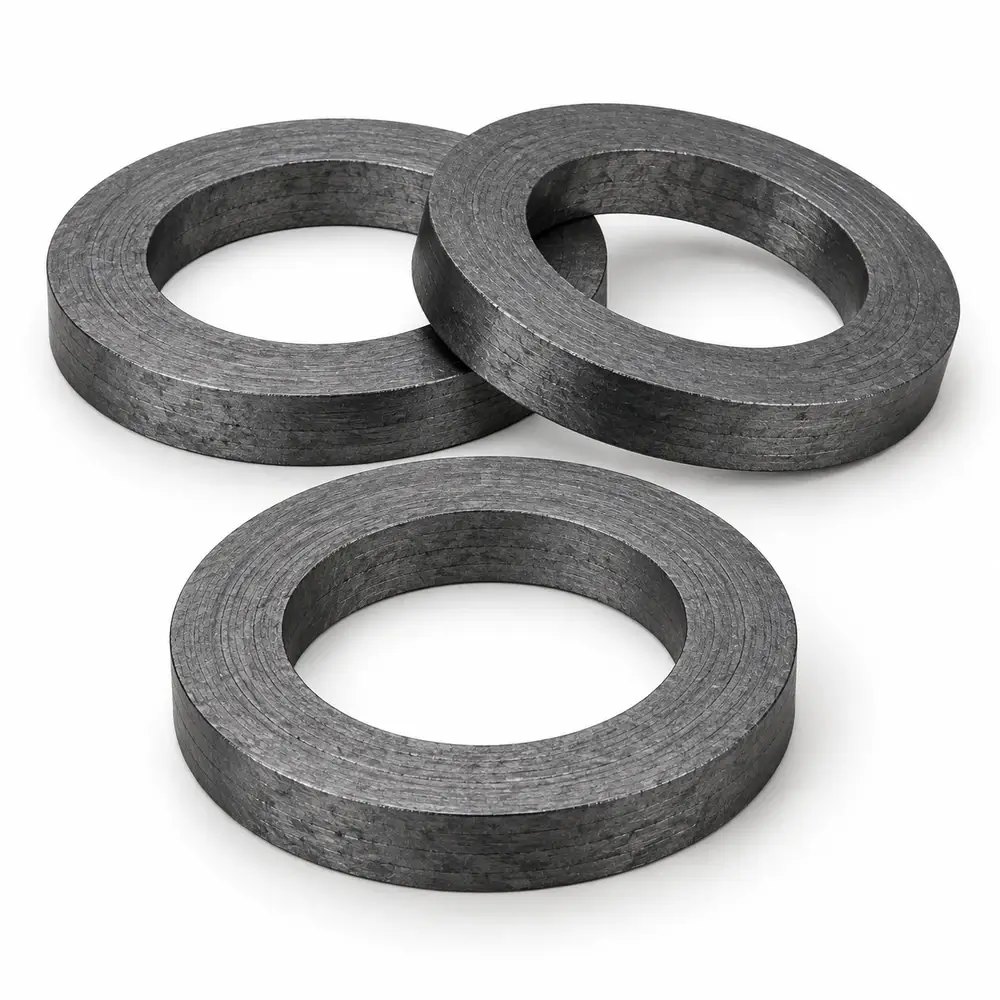
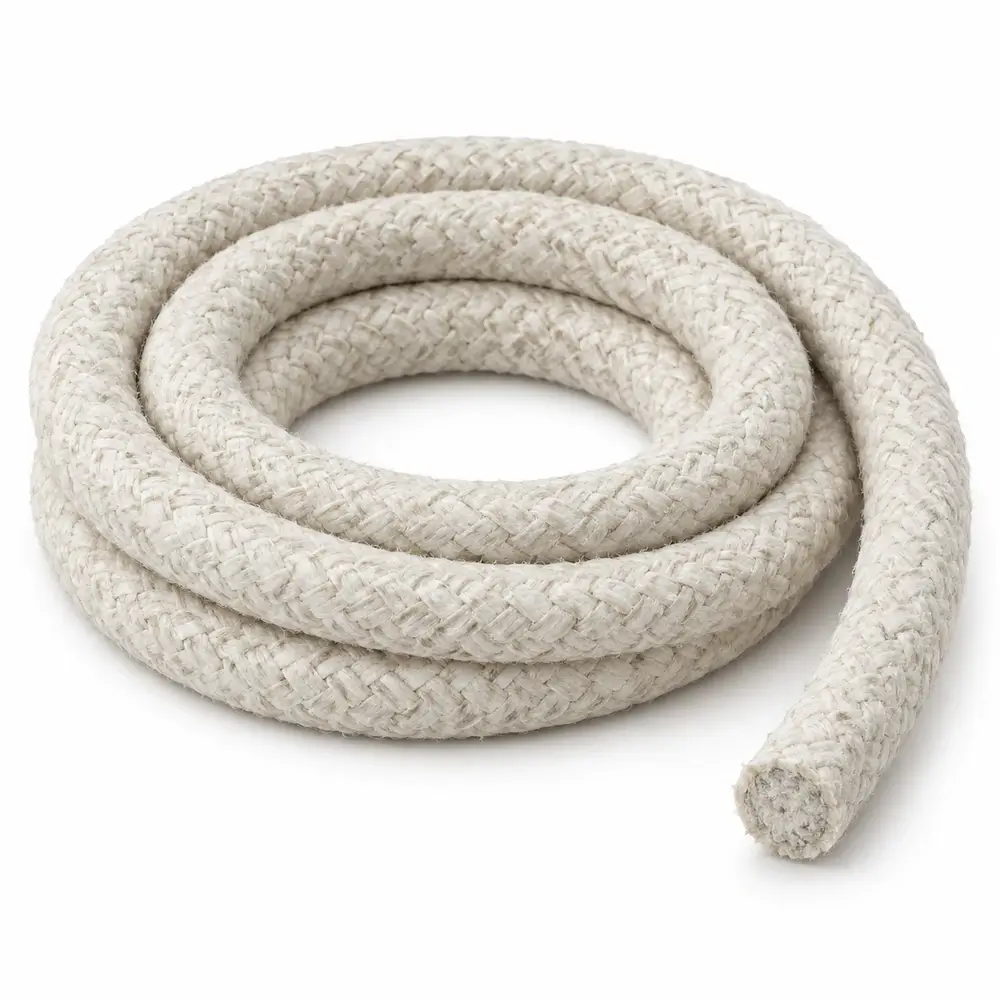
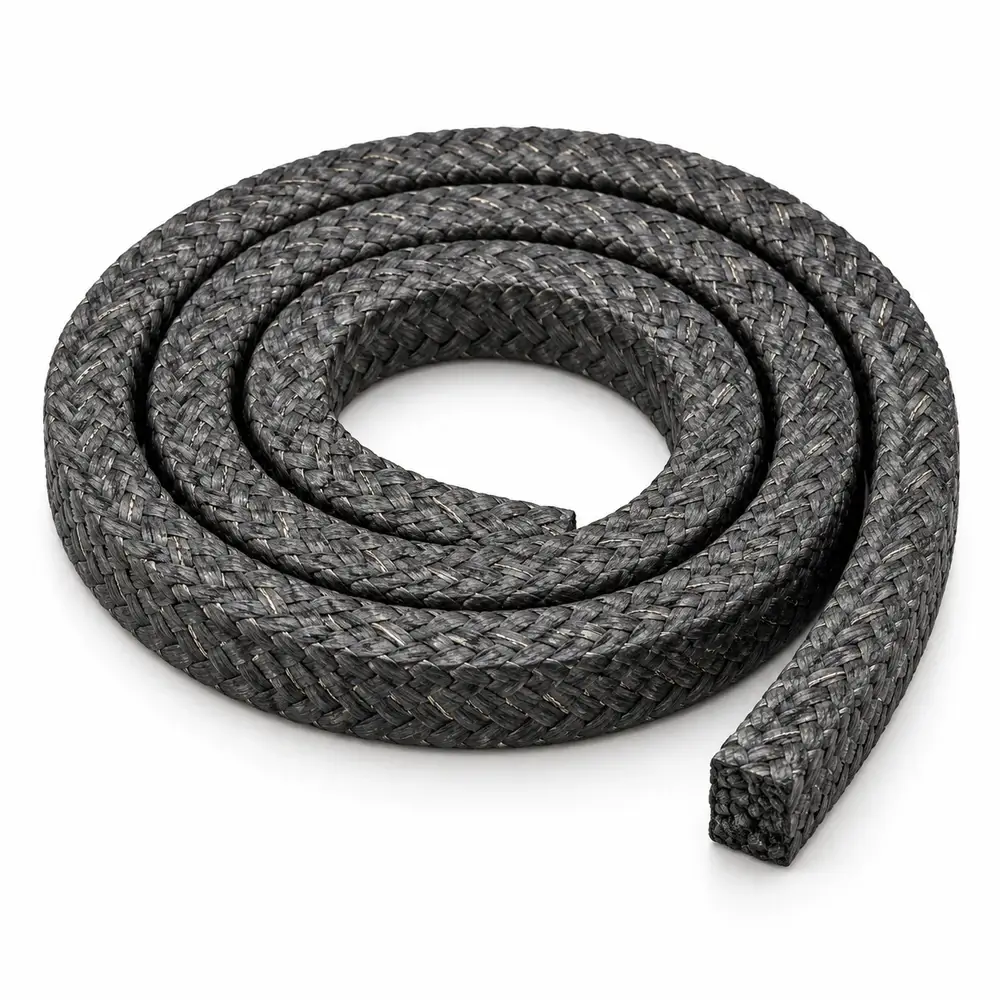
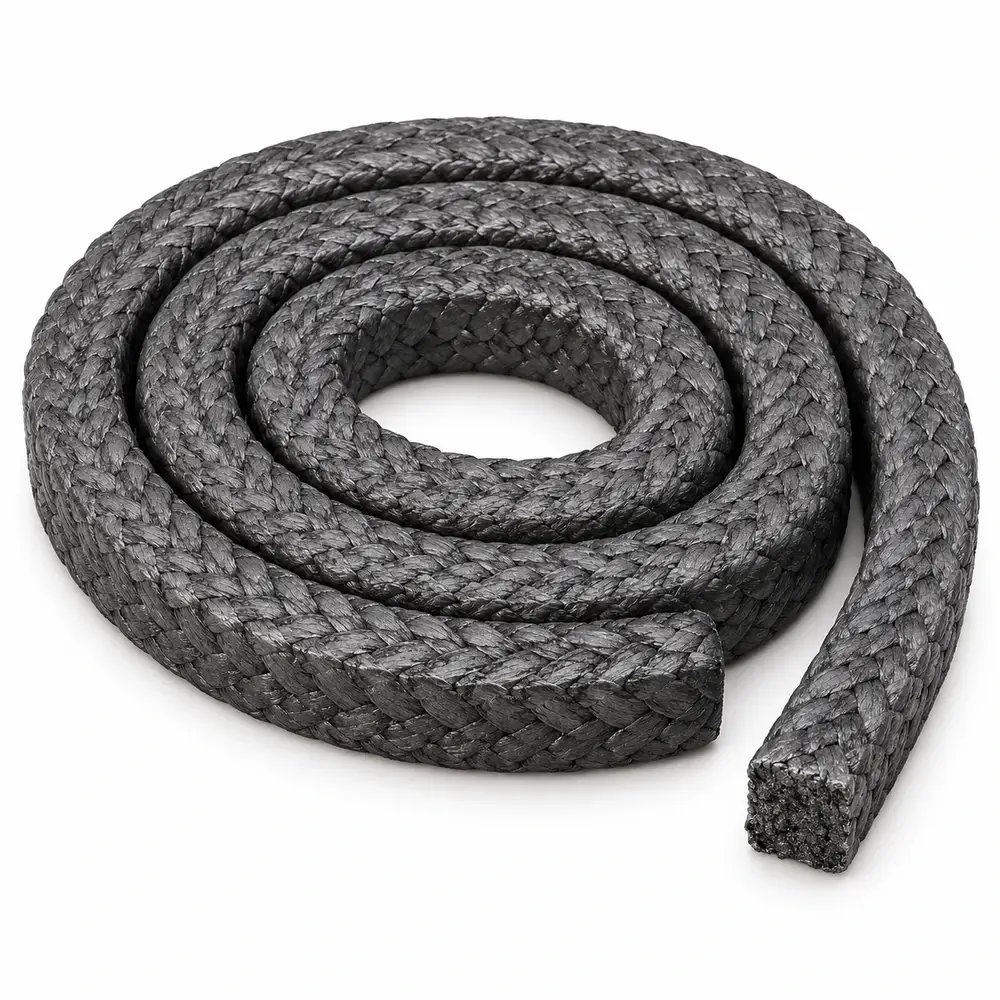
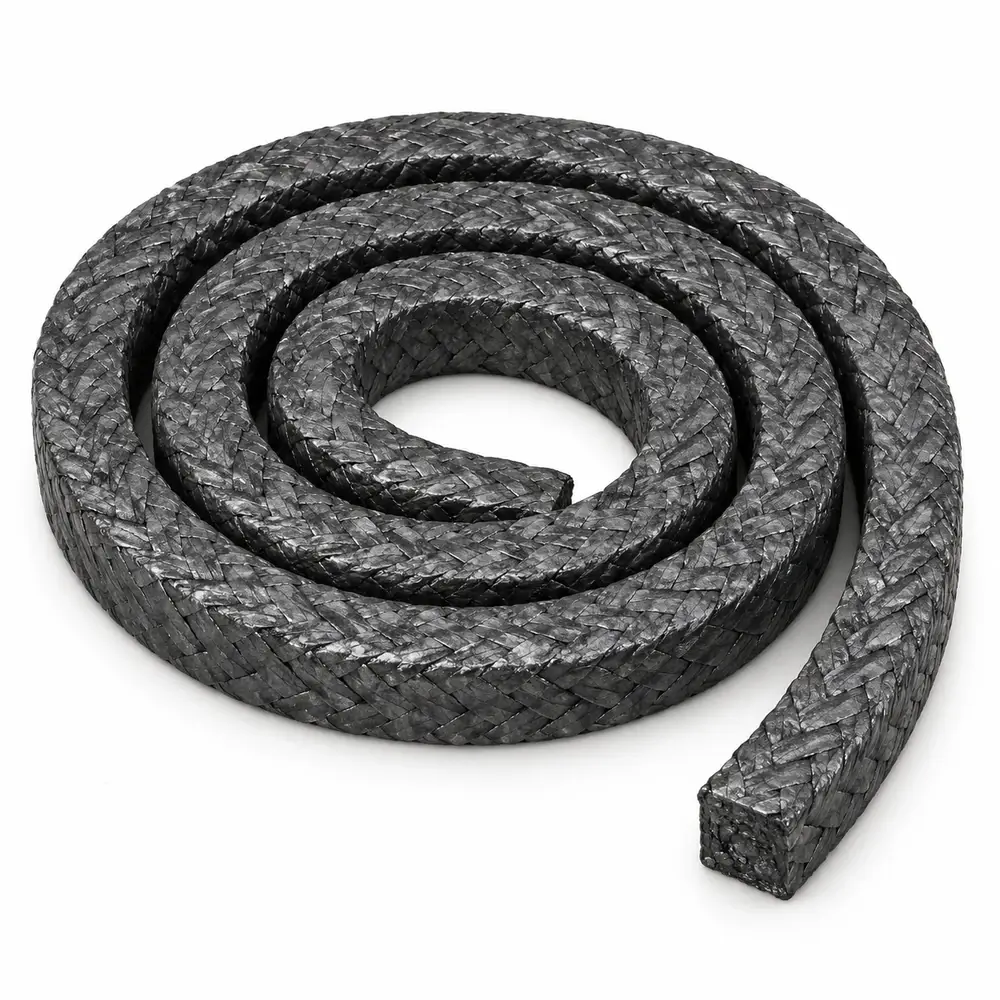
When a maintenance engineer reports a pump leaking after only a few weeks, the purchasing team often discovers that the packing was selected by habit rather than by data. How Do You Choose the Right Graphite Carbon Fiber Packing for Your Application? The answer starts with the shaft, the fluid, the temperature, the pressure, and the way the equipment is run. Graphite carbon fiber packing can handle demanding rotary and reciprocating service, but the wrong braid, lubricant, or size can cause shaft scoring, excessive gland load, and repeat downtime. A small mismatch in pH, surface speed, or gland pressure is enough to turn a low-cost item into a costly shutdown. Buyers who compare construction, graphite content, thermal range, chemical compatibility, and friction behavior make better decisions than buyers who compare price alone. Ningbo Kaxite Sealing Materials Co., Ltd. supports this decision with application review, sample evaluation, and practical selection data, so procurement teams can specify a packing that fits the duty instead of guessing. The sections below turn that selection process into clear checks that can be used during a quote request or an urgent maintenance window.
The pain point is familiar: a request arrives for “graphite packing, 10 mm” with no shaft speed, fluid concentration, or gland pressure. Two suppliers quote, the lower price wins, and the maintenance team inherits a leak that returns within weeks. The solution is to collect the operating envelope before comparing offers. A graphite carbon fiber packing that works in a slow, clean-water pump may fail in a high-speed slurry line or a chemical metering duty. Procurement does not need to become a tribology lab, but the quote request should include the minimum data that changes the packing choice.
| Parameter | Why it changes the choice | Procurement check |
|---|---|---|
| Shaft speed | Surface speed controls heat, friction, and run-in behavior | Collect rpm, shaft diameter, and calculated m/s |
| Temperature | Continuous and peak heat affect binder, lubricant, and graphite oxidation risk | Ask for normal and excursion °C |
| Pressure | Gland load and extrusion risk rise with pressure | Record bar or psi at the stuffing box |
| Fluid chemistry | pH, salts, solvents, and abrasives influence compatibility and wear | Request SDS, concentration, and pH range |
| Motion type | Rotary pumps, reciprocating rods, and valves load packing differently | Confirm rotary, reciprocating, or static valve service |
| Shaft condition | Hardness, finish, runout, and wear grooves affect leakage and life | Check Ra, hardness, and visible scoring |
Once these values are on one page, the buyer can ask focused questions and avoid approving a packing that is only “close enough” on paper.
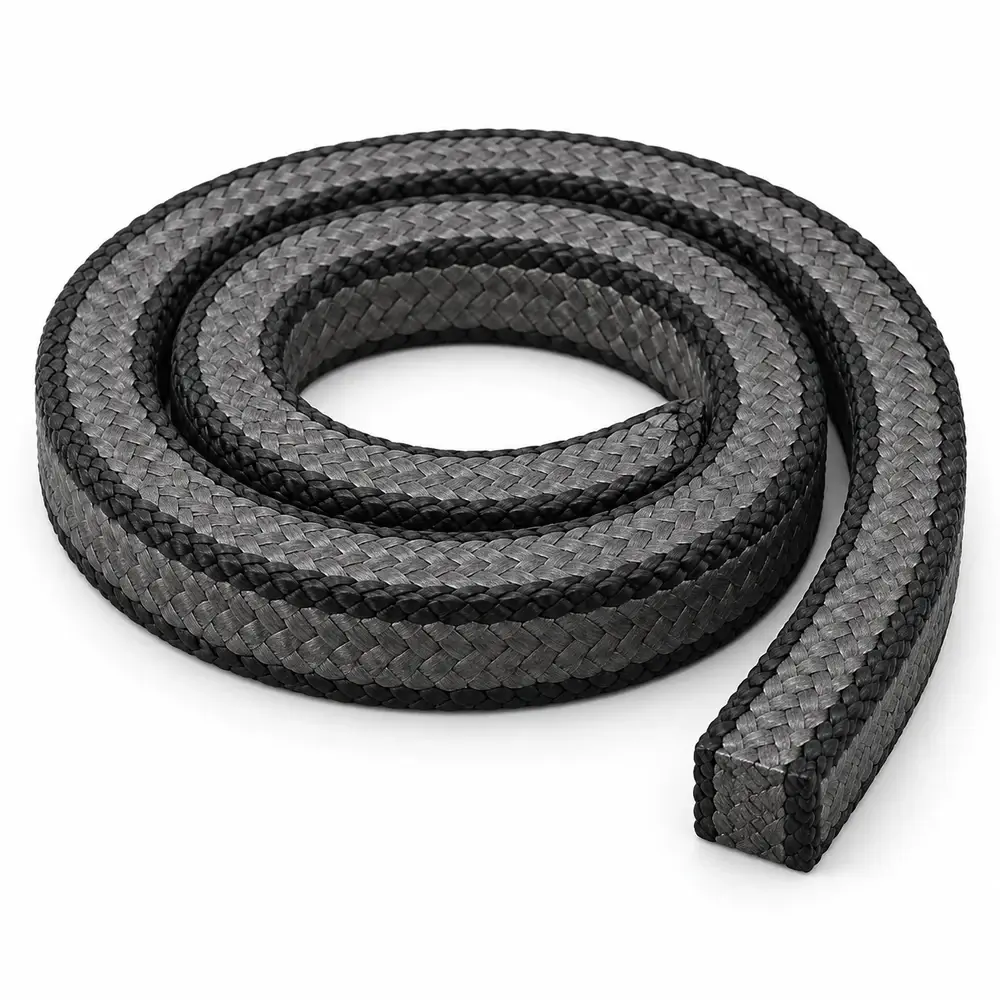
A second pain point appears when two suppliers both describe “graphite carbon fiber packing” but deliver different braids, fiber orientations, lubricants, and density. The buyer sees the same phrase; the maintenance team sees different compression, heat transfer, and shaft wear. The solution is to compare structure as carefully as price. Braid type, graphite content, carbon fiber form, impregnation, and corner design all influence how the packing seats in the gland and how it behaves after run-in. For valves, a flexible construction with controlled compression can be more suitable; for high-speed pumps, heat dissipation and dimensional stability become more important.
| Feature | Selection signal | Risk if ignored |
|---|---|---|
| Braid construction | Interlaced or braided structure should suit rotary or valve motion | Poor seating, uneven gland pressure, early leakage |
| Graphite content | Higher graphite often improves lubrication and heat tolerance | Dry running damage or higher friction |
| Carbon fiber form | Fiber length and orientation affect strength and extrusion resistance | Break-in shedding or gland extrusion |
| Lubricant or impregnation | Must suit fluid, temperature, and regulatory needs | Washout, hardening, or chemical attack |
| Density and compressibility | Should match gland dimensions and pressure | Over-compression, shaft wear, or loose sealing |
| Size tolerance | Square section must fit the stuffing box cleanly | Leak paths and difficult installation |
For a reliable quote, send the equipment type, packing size, and fluid data to Ningbo Kaxite Sealing Materials Co., Ltd. so the construction can be checked against the duty rather than chosen from a generic catalog line.
The pain point here is a packing that performs well for a week and then hardens, swells, or loses lubricant in a chemical service. The cause is often an incomplete review of temperature and chemistry. Graphite carbon fiber packing is versatile, but no single grade is universal. Oxidizing media, strong acids, high-temperature air, and abrasive slurries each place different demands on the graphite, the carbon fiber, and any impregnation. The solution is a limits review before approval: confirm continuous temperature, peak temperature, pH, concentration, and cleaning chemicals. If the process uses caustic flushing or steam-out cycles, include those conditions too. A packing that is correct for water may not be correct for a solvent blend.
| Service condition | Selection focus | Caution to record |
|---|---|---|
| Clean water and neutral fluids | Standard graphite carbon fiber grade with suitable lubricant | Check chloride level and shaft finish |
| Steam and hot condensate | Thermal stability, binder choice, and gland clearance | Confirm peak temperature and cycling |
| Weak acids and alkalis | Chemical compatibility of graphite, fiber, and impregnation | Verify concentration and pH range |
| Solvents and oils | Lubricant washout resistance and swell behavior | Review SDS and cleaning agents |
| Abrasive slurry | Extrusion resistance and shaft protection | Expect shorter life if solids are aggressive |
| Oxidizing media | Special review of graphite oxidation risk | Do not assume standard grade is suitable |
Documenting these limits protects the buyer from a false economy: the lowest-priced packing becomes expensive when it is replaced early or damages the shaft.
A common procurement pain point is an apples-to-oranges quote comparison. One supplier lists density, another lists graphite percentage, and a third lists only size and price. The solution is a one-page specification comparison that forces each offer onto the same basis. Ask for packing size, tolerance, density, graphite content, carbon fiber content, tensile strength, pH range, temperature range, pressure range, shaft speed guidance, and recommended run-in procedure. For the product question—How Do You Choose the Right Graphite Carbon Fiber Packing for Your Application?—the answer becomes clearer when these values are placed beside the actual duty. A higher graphite content may help lubrication, but density and braid still need to fit the gland. A broad temperature range is useful only if the fluid and pressure are also compatible.
| Specification | What to ask | Procurement target |
|---|---|---|
| Size and tolerance | Nominal square section and allowed deviation | Matches stuffing box without forced fit |
| Density | g/cm³ or supplier method | Consistent batch-to-batch |
| Graphite content | Percentage and test method | Suits lubrication and heat needs |
| Carbon fiber content | Fiber type and orientation | Supports strength and extrusion resistance |
| Tensile strength | MPa or supplier standard | Enough for installation and gland load |
| pH range | Continuous service limits | Covers the process fluid |
| Temperature range | Continuous and peak values | Includes upset conditions |
| Pressure range | Static and dynamic guidance | Includes gland pressure margin |
| Shaft speed guidance | m/s or rpm with diameter basis | Matches actual surface speed |
| Run-in procedure | Step load and break-in time | Reduces early leakage and heat |
When suppliers know that these fields will be compared, the quotation becomes a technical offer instead of a price-only guess.
Even a correctly selected graphite carbon fiber packing can fail if installation is rushed. The pain point is a leak that appears during start-up or shortly after a shutdown, leading the buyer to blame the material when the cause is a cut length, joint stagger, or gland adjustment problem. The solution is a simple installation check before the pump returns to service. Confirm the stuffing box is clean, the shaft is not scored, the packing size is correct, the cut ends are square, and the joints are staggered around the shaft. Gland nuts should be tightened evenly and in small steps. A controlled run-in allows the packing to seat without overheating.
| Pitfall | Effect | Control |
|---|---|---|
| Wrong cut length | Butt gaps or overlap cause leak paths | Wrap packing around shaft and cut squarely |
| Aligned joints | Creates a continuous leakage channel | Stagger each ring by about 90 degrees |
| Dirty stuffing box | Prevents seating and damages packing | Clean and inspect before installation |
| Over-tightened gland | High friction, heat, and shaft wear | Tighten evenly and allow run-in |
| Scored shaft | Packing cannot seal against a rough surface | Check finish and repair if needed |
| Skipped run-in | Early leakage or burned packing | Follow step load and temperature checks |
A short installation checklist often saves more money than a price negotiation, because it protects both the packing and the shaft.
Question: How Do You Choose the Right Graphite Carbon Fiber Packing for Your Application when shaft speed and gland pressure are not yet confirmed?
Answer: Treat missing speed and pressure data as a stop sign, not a detail. Ask maintenance for shaft diameter, rpm, calculated surface speed, stuffing box pressure, and the expected start-stop cycle. Then ask the supplier whether the proposed graphite carbon fiber packing is intended for that surface speed and pressure range. If the duty is close to a limit, request a sample or a written recommendation. Ningbo Kaxite Sealing Materials Co., Ltd. can review these values against packing construction and suggest a practical grade for the application.
| Variable | Question to ask | Selection impact |
|---|---|---|
| Surface speed | What is the calculated m/s at the shaft surface? | Determines heat generation and packing style |
| Gland pressure | What pressure is present during normal and peak operation? | Affects density, extrusion risk, and ring count |
| Duty cycle | Is the equipment continuous or intermittent? | Changes run-in and lubrication needs |
| Shaft condition | Is the shaft smooth, hard, and free of grooves? | Affects leakage control and wear |
Question: How Do You Choose the Right Graphite Carbon Fiber Packing for Your Application when the same pump keeps leaking after each replacement?
Answer: Stop repeating the same order without reviewing the failure pattern. Check the leaked packing for hardening, extrusion, fiber loss, or shaft scoring. Confirm that the packing size, braid, and lubricant match the fluid and temperature. Review gland adjustment and run-in records. If the leakage returns with the same symptom, the issue may be shaft finish, misalignment, or an undersized stuffing box rather than the material alone. A supplier with application experience can help separate packing failure from equipment failure and recommend the next step.
| Leakage symptom | Likely cause | Corrective action |
|---|---|---|
| Leak at start-up | Wrong size, poor cut, or low gland load | Check dimensions, joint stagger, and adjustment |
| Hardened packing | Heat, chemical attack, or lubricant loss | Review temperature and fluid compatibility |
| Extruded rings | Excess pressure or soft construction | Increase extrusion resistance or review gland clearance |
| Shaft scoring | Abrasive particles or over-tightened gland | Inspect shaft and control run-in |
| Short service life | Speed, pressure, or installation mismatch | Recheck the full operating envelope |
Ningbo Kaxite Sealing Materials Co., Ltd. helps procurement and maintenance teams turn sealing problems into clear specifications, with support for graphite carbon fiber packing selection, sample review, and application questions. The company works with buyers who need consistent quality, practical technical answers, and a reliable source for sealing materials. Share the equipment type, shaft speed, fluid, temperature, pressure, and required packing size, and the team can help match the product to the duty. Visit https://www.vegetable-fiber-packing.com for product information, or email [email protected] to start an application review with Ningbo Kaxite Sealing Materials Co., Ltd.
Peng, L., and Wang, H. (2019). Tribological behavior of graphite and carbon fiber reinforced packing composites in rotary service. Journal of Sealing Technology, 2019(4), 22–31.
Zhang, Y., Chen, M., and Liu, Q. (2020). Effect of braid structure on leakage and friction of compression packing. Tribology Transactions, 63(2), 315–326.
Kumar, R., and Singh, P. (2018). Thermal stability of graphite-based gland packing under cyclic temperature exposure. Industrial Lubrication and Tribology, 70(6), 1041–1050.
Anderson, J., and Patel, S. (2021). Chemical compatibility screening for carbon fiber packing in process pumps. Journal of Chemical Engineering Practice, 12(3), 88–99.
Wang, X., Li, F., and Zhao, R. (2017). Shaft wear mechanisms caused by over-compression of graphite packing. Wear, 376–377, 112–121.
Meyer, D., and Hoffmann, K. (2022). Run-in procedures and gland load optimization for braided packing. Sealing Science and Engineering, 8(1), 45–57.
Chen, L., Zhou, J., and Xu, W. (2019). Carbon fiber content and extrusion resistance in high-pressure packing rings. Materials and Design, 182, 108003.
Ibrahim, A., and Rahman, T. (2020). Friction and heat generation of graphite packing at elevated surface speeds. Tribology International, 151, 106421.
Novak, P., and Krejci, M. (2018). Failure analysis of pump stuffing box packing in chemical plants. Engineering Failure Analysis, 92, 201–212.
Sun, H., and Li, Y. (2021). Selection criteria for graphite carbon fiber packing in rotary and reciprocating equipment. Journal of Materials Processing and Sealing, 5(2), 77–89.
-