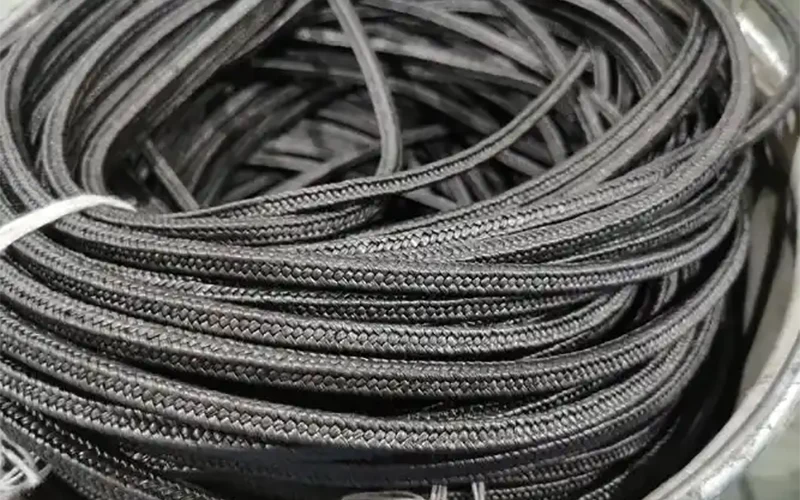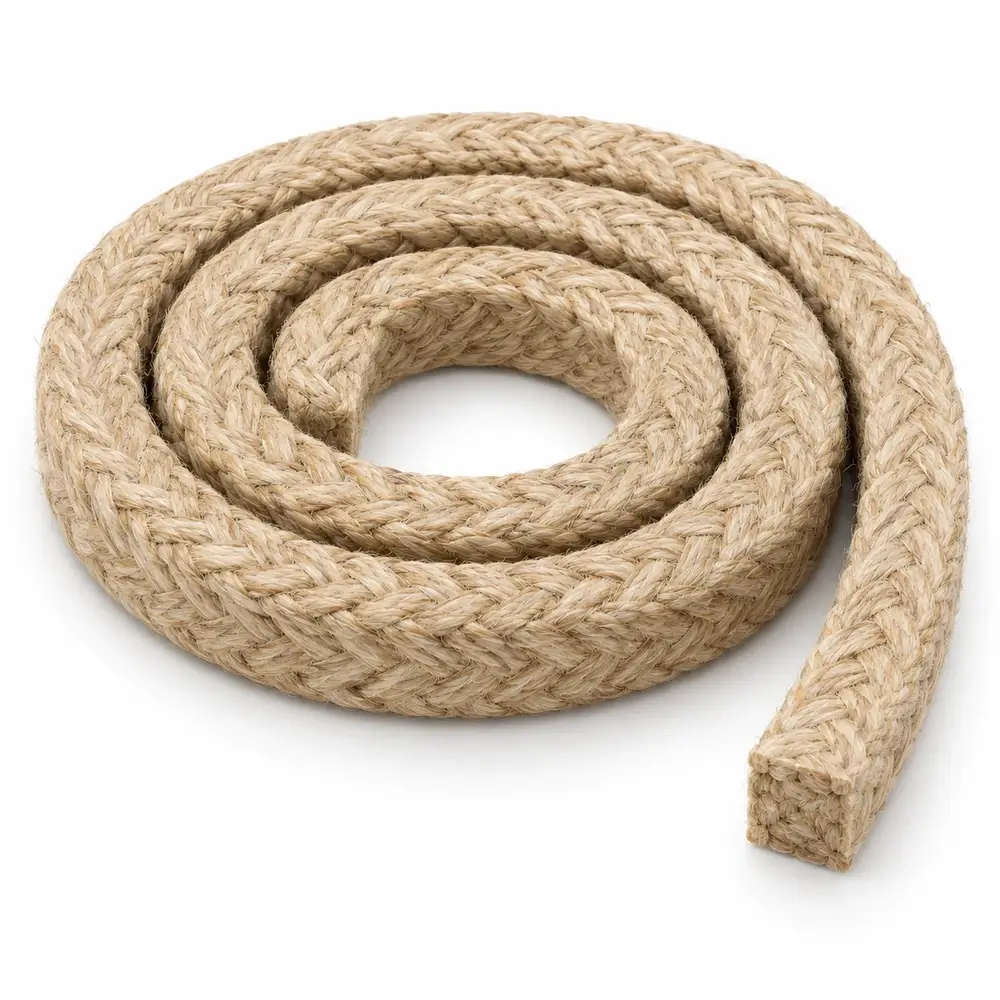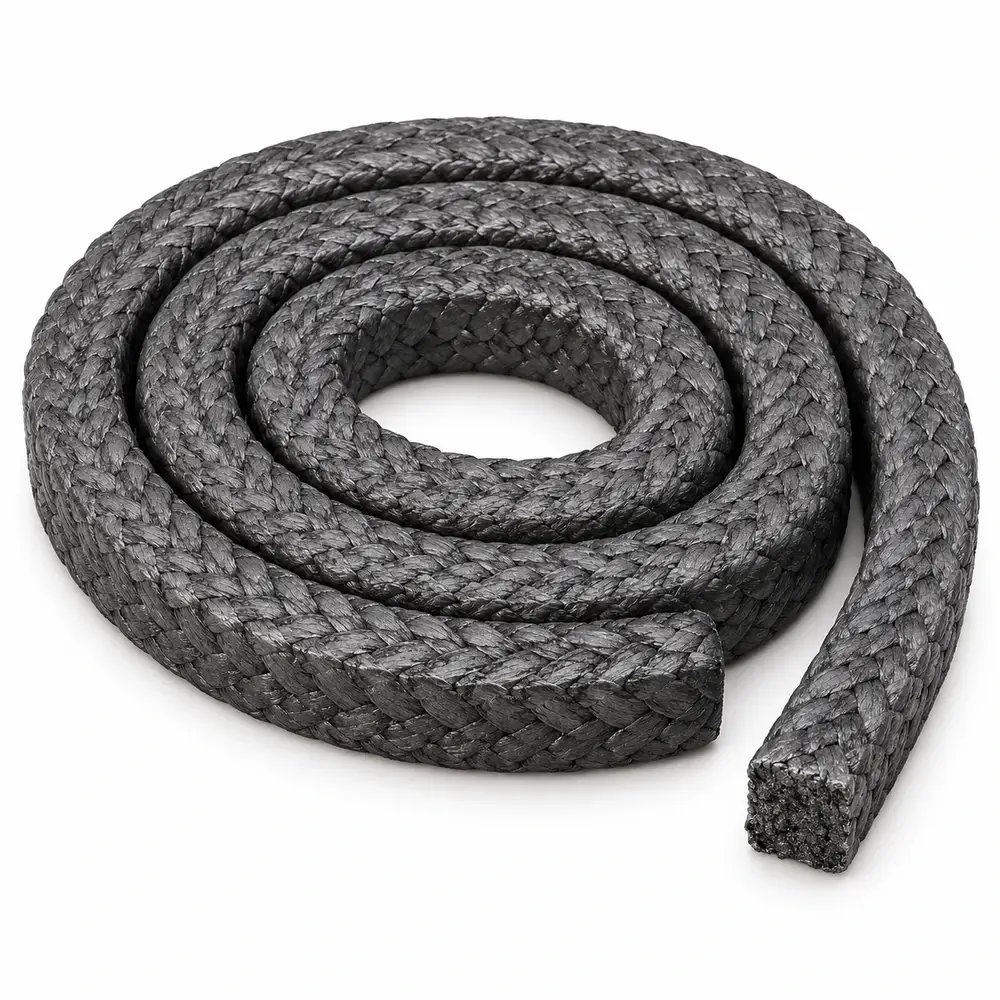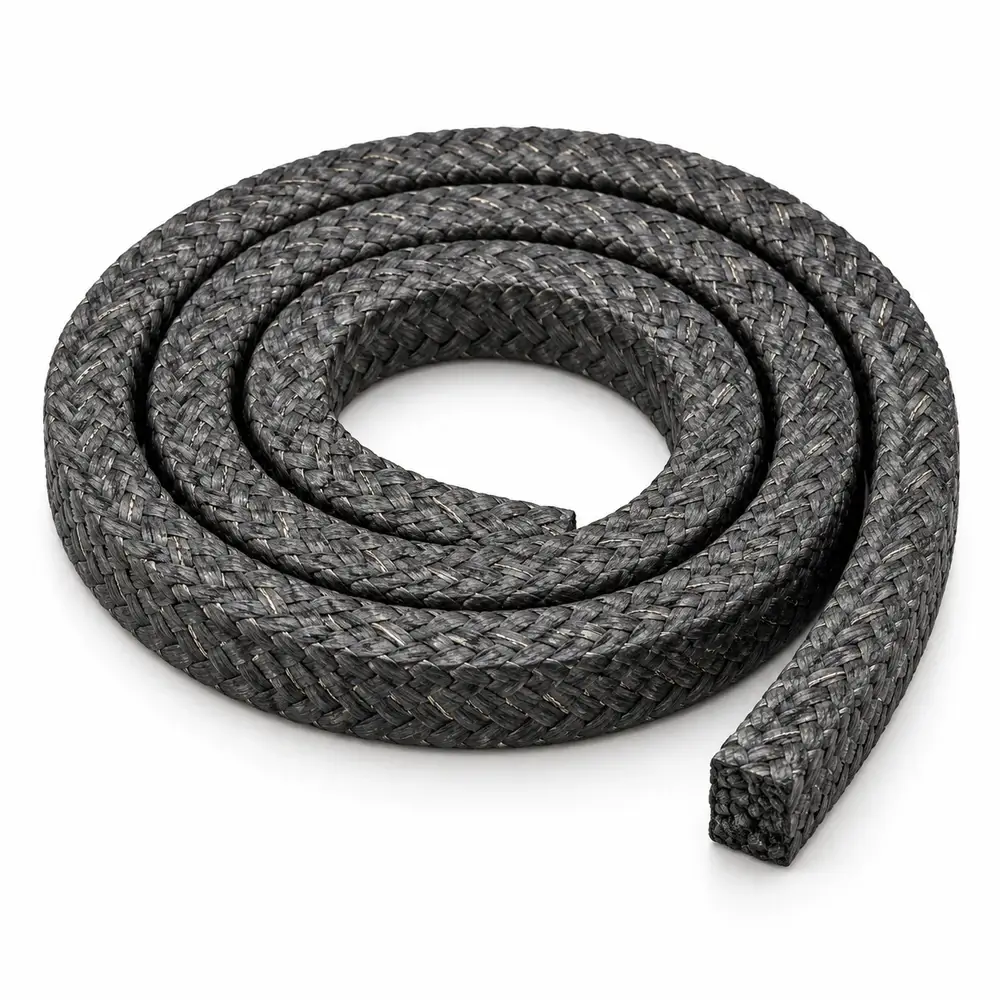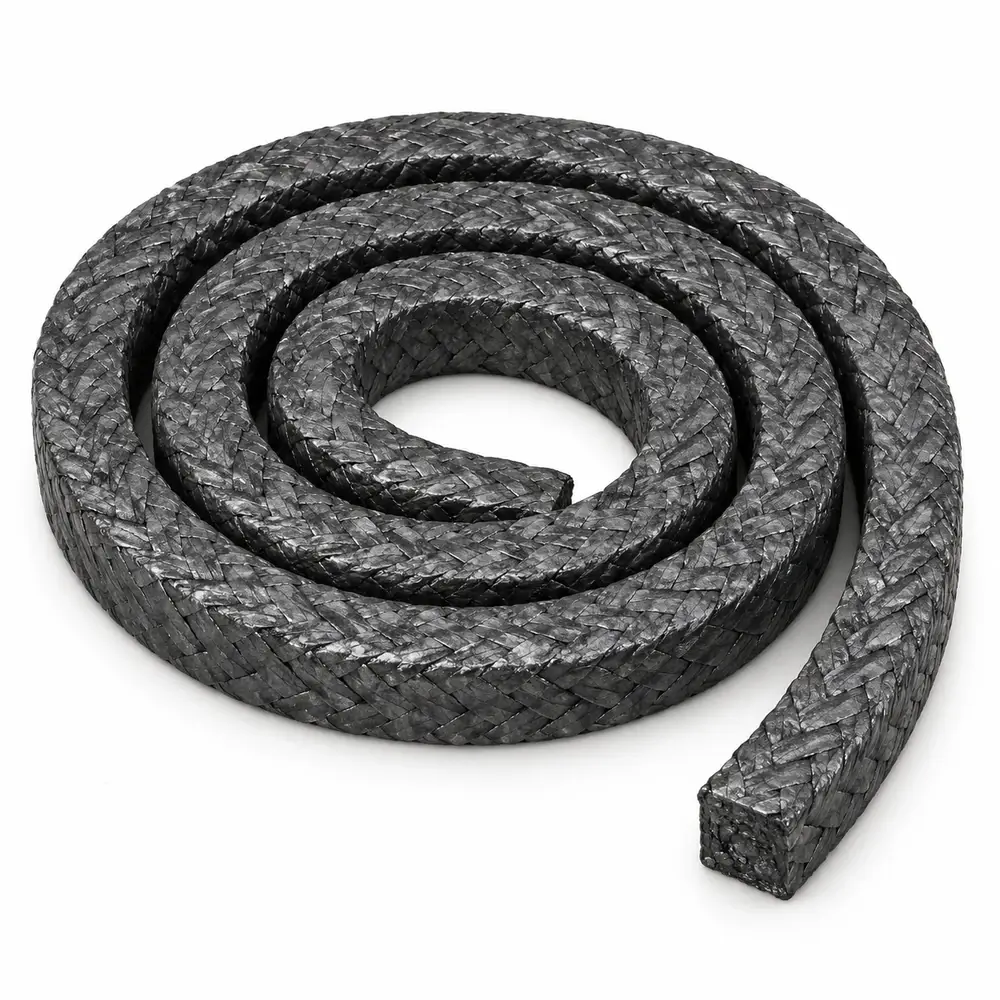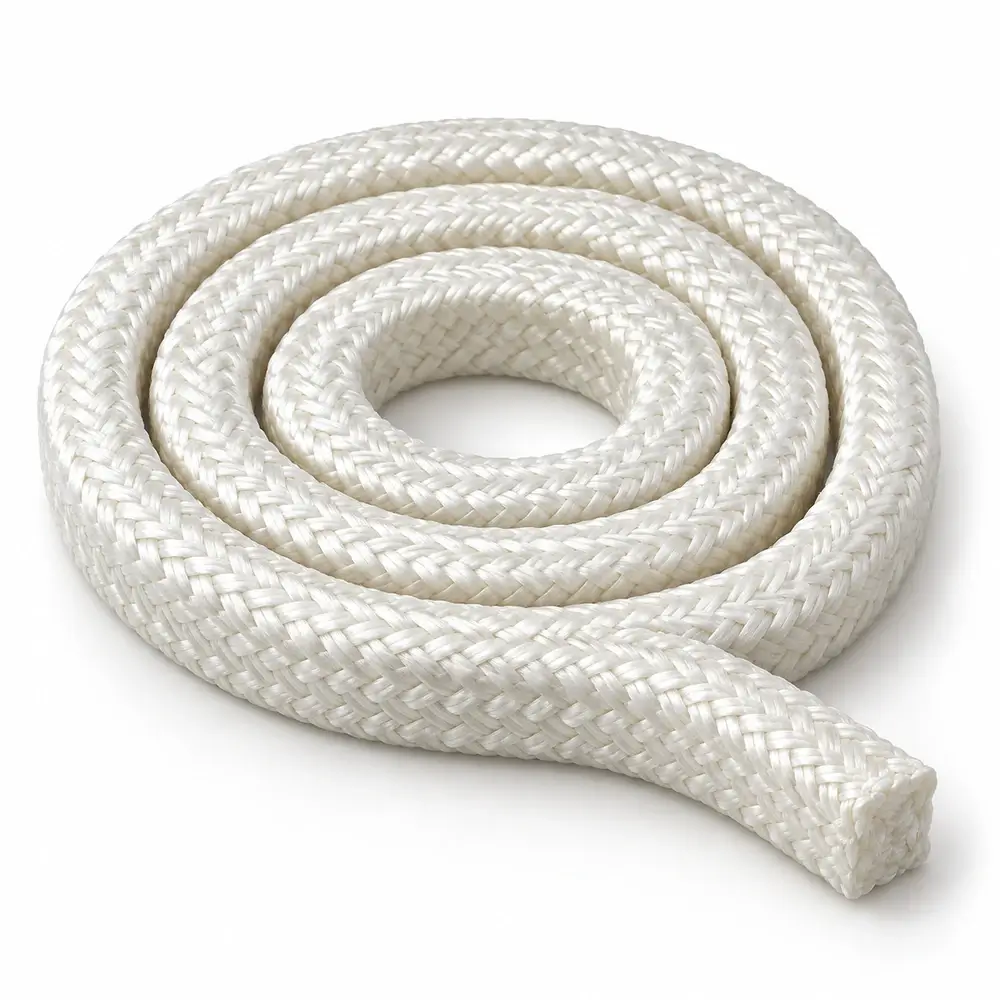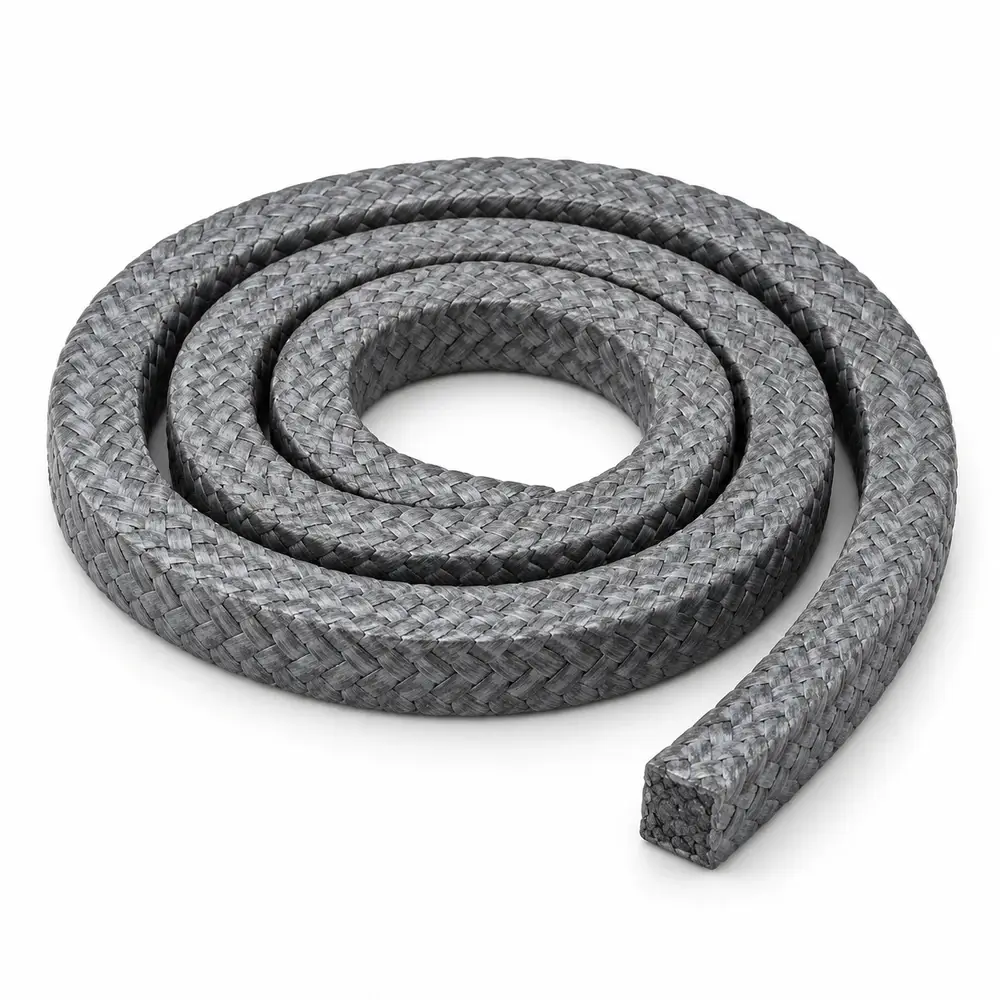

Monday morning, a pump maintenance engineer sends a short message: the line is down, the old seal has failed, and the replacement Die-formed Graphite Ring must fit the shaft and housing without machining. The buyer opens the drawing folder and sees only a shaft diameter, a housing bore, and a temperature note. This is the moment when the question becomes urgent: How do you choose the right size for a die-formed graphite ring? The answer is not a single number. It is a chain of decisions that links the shaft, housing, installation depth, compression allowance, thermal expansion, pressure, medium, and tolerance stack-up. A ring that is 0.1 mm too tight can crack during installation; a ring that is too loose can leak, vibrate, and wear the shaft. For purchasing teams, the fastest route is to treat size selection as a controlled process, not a guess. Ningbo Kaxite Sealing Materials Co., Ltd. supports buyers with drawing review, application questions, tolerance checks, and sample validation so the order moves from uncertainty to a confirmed specification. This guide turns that process into practical steps, tables, and questions you can use before you release a purchase order.
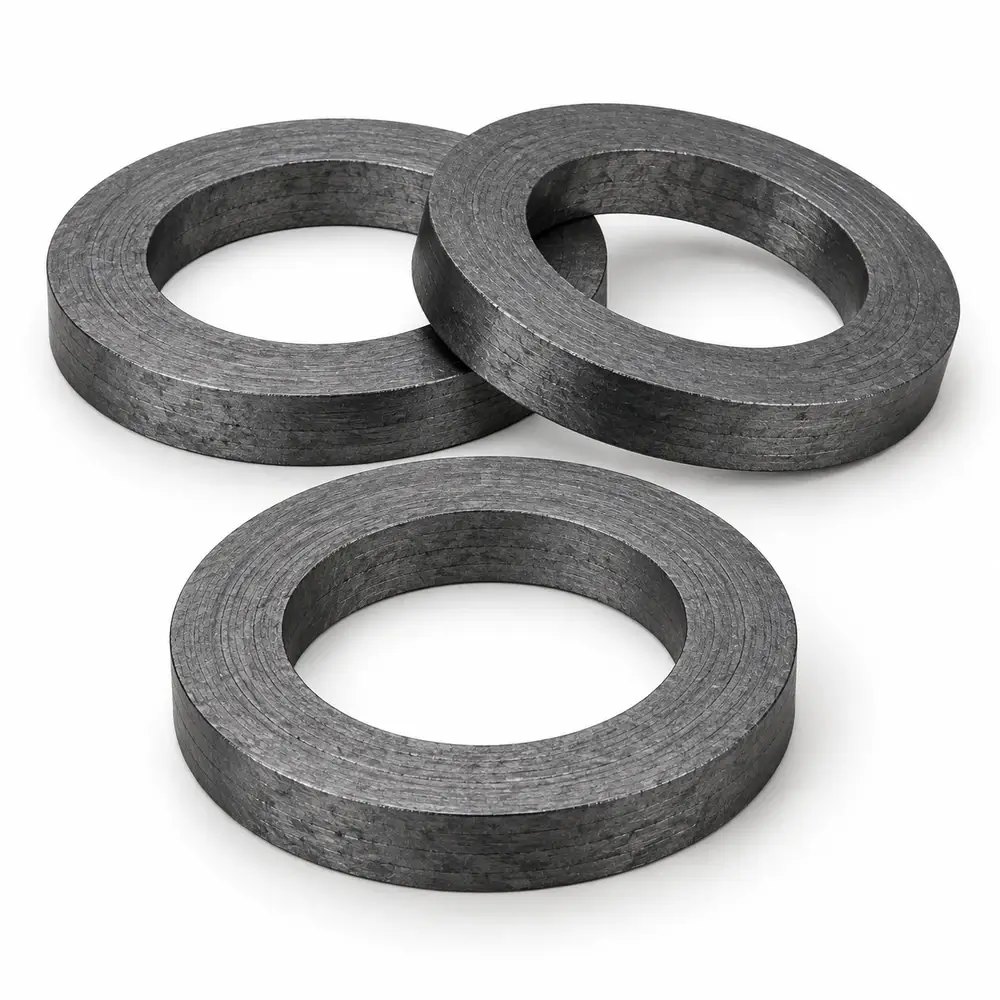
Painful scene: A buyer receives a request for a “standard” die-formed graphite ring, orders by nominal inner diameter, and later discovers that the housing depth, chamfer, and compression load do not match the drawing. The ring arrives on site, but installation is delayed, and the maintenance team loses a shift.
Solution: Build the size from the sealing interface outward. Confirm the shaft diameter, housing bore, groove depth, available axial space, installation chamfer, and the required compression. Then check the ring’s inner diameter, outer diameter, thickness, and tolerance against those measurements. For a die-formed graphite ring, the inner diameter controls shaft fit, the outer diameter controls housing contact, and thickness controls compression and spring load. Ningbo Kaxite Sealing Materials Co., Ltd. reviews these inputs together because a single missing dimension can change the whole fit.
| Parameter | Typical range to discuss | Buyer check |
|---|---|---|
| Inner diameter (ID) | 10–500 mm | Match shaft diameter and running clearance |
| Outer diameter (OD) | 20–600 mm | Match housing bore and seating area |
| Thickness / height | 5–50 mm | Confirm groove depth and compression allowance |
| Dimensional tolerance | ±0.05–0.20 mm | Check against shaft and housing tolerance stack-up |
| Surface roughness | Ra 0.4–1.6 µm | Confirm mating surface condition |
Painful scene: The ring fits on the bench, but after start-up the joint drips. The maintenance team blames the material, while the real issue is an oversized clearance or an underestimated thermal growth. Another common scene is a ring that cracks during pressing because the chamfer is too sharp and the interference is too high.
Solution: Control three risks before ordering. First, do not use nominal shaft size alone; calculate the running clearance and thermal expansion. Second, do not ignore the installation chamfer and surface finish, because graphite can chip at sharp edges. Third, do not mix drawing tolerances with catalogue tolerances. Ask for a tolerance stack-up review and, when the application is critical, request a sample fit check. Kaxite helps buyers compare the drawing, operating temperature, pressure, and medium so the selected ring size works in service, not only on paper.
| Risk | Why it happens | Control action |
|---|---|---|
| Too tight on the shaft | ID equals shaft diameter with no clearance | Add running clearance and check thermal growth |
| Too loose in the housing | OD based on nominal bore only | Confirm bore tolerance and seating contact |
| Cracking at installation | Sharp chamfer or excessive press fit | Specify chamfer, finish, and handling method |
| Leak after start-up | Compression allowance is too low | Review groove depth and thickness together |
Scene: The pump is already assembled, and the buyer cannot change the shaft or housing. The only freedom is the ring dimensions and tolerance.
Answer: Measure the shaft diameter, housing bore, groove depth, and available axial space with calibrated tools. Then define the ring ID with the required running clearance, the OD with the housing contact, and the thickness with the compression allowance. Do not forget thermal expansion at the operating temperature. A practical approach is to request a drawing review from Ningbo Kaxite Sealing Materials Co., Ltd., include the medium and pressure, and ask for a recommended tolerance band before placing the order. If the application is critical, validate the fit with a sample before full production.
| Decision point | What to check | Practical action |
|---|---|---|
| Ring ID | Shaft diameter, clearance, thermal growth | Set ID with a controlled running clearance |
| Ring OD | Housing bore and roundness | Confirm seating contact without over-compression |
| Ring thickness | Groove depth and compression load | Match thickness to the required compression |
| Tolerance | Stack-up of shaft, housing, and ring | Request a written tolerance review |
Painful scene: Two suppliers quote the same nominal size, but one ring is dense and brittle while the other is softer and easier to handle. The buyer compares only the price and later faces different installation behavior, leakage, and wear.
Solution: Treat density, compressive strength, impurity level, and machining quality as part of the size decision. A die-formed graphite ring with a stable density and controlled tolerance will seat more predictably. Ask for the inspection report, tolerance drawing, and surface finish requirement. For aggressive media or high temperature, confirm the grade and any impregnation or treatment. Kaxite can align the material grade with the ring dimensions so the buyer receives a specification that matches the sealing duty.
| Property | Typical discussion range | Why it matters for size |
|---|---|---|
| Density | 1.60–1.90 g/cm³ | Affects strength, wear, and installation behavior |
| Compressive strength | 60–120 MPa | Supports compression without cracking |
| Thermal expansion | 4–6 ×10⁻⁶/K | Changes clearance at operating temperature |
| Dimensional tolerance | ±0.05–0.20 mm | Controls fit and leakage risk |
| Surface finish | Ra 0.4–1.6 µm | Influences contact and wear |
Scene: The cold-state fit looks correct, but the line runs at high temperature and cyclic pressure. After several hours, the leakage rate rises, and the buyer needs a size that remains stable.
Answer: Start with the cold-state dimensions, then add thermal growth and pressure deflection to the review. Check the coefficient of thermal expansion, the temperature difference from assembly to operation, and the pressure load on the ring. If the clearance closes at high temperature, increase the cold clearance within the allowed tolerance; if the compression drops, adjust thickness or groove depth. Share the full operating profile with Ningbo Kaxite Sealing Materials Co., Ltd. so the recommendation considers the real duty cycle, not only the drawing. A sample test or finite element review can confirm the final size before mass production.
| Condition | What changes | Size action |
|---|---|---|
| High temperature | Ring and shaft expand | Recheck ID clearance and OD contact |
| Cyclic pressure | Deflection and compression vary | Confirm thickness and groove depth |
| Thermal cycling | Repeated expansion and contraction | Review tolerance band and surface finish |
| Critical leakage limit | Small clearance changes matter | Validate with sample or engineering review |
Painful scene: The purchase order is ready, but the drawing has no tolerance note, no medium, and no operating temperature. The supplier cannot confirm the fit, and the buyer must collect missing information while the production schedule slips.
Solution: Use a short checklist before requesting a quotation. Include the shaft and housing dimensions, groove details, operating temperature, pressure, medium, required service life, installation method, and inspection requirements. Ask the supplier to confirm the ring ID, OD, thickness, tolerance, material grade, and surface finish in writing. Ningbo Kaxite Sealing Materials Co., Ltd. uses this information to provide a clear specification and to reduce back-and-forth before shipment.
| Item | Required input | Output to confirm |
|---|---|---|
| Interface | Shaft diameter, housing bore, groove depth | Ring ID, OD, and thickness |
| Duty | Temperature, pressure, medium, cycle | Material grade and tolerance band |
| Installation | Chamfer, surface finish, assembly method | Handling and fit guidance |
| Quality | Inspection report, sample approval | Dimensional and visual records |
If you are comparing suppliers or correcting a failed fit, send the drawing, shaft and housing measurements, temperature, pressure, medium, and required quantity. The more complete the input, the faster the size recommendation can be confirmed. Ningbo Kaxite Sealing Materials Co., Ltd. works with purchasing teams and maintenance engineers to review die-formed graphite ring dimensions, tolerances, material grades, and sample requirements. Visit https://www.vegetable-fiber-packing.com or email [email protected] with your application details, and the team can help turn an urgent repair into a confirmed specification.
Zhao, L., Zhang, Y., & Wang, H., 2019, Tribological behavior of die-formed graphite seals under dry sliding conditions, Tribology International, 132.
Liu, J., Chen, P., & Li, M., 2020, Effect of compaction pressure on the mechanical properties of die-formed graphite rings, Journal of Materials Processing Technology, 276.
Wang, Q., Sun, X., & Zhou, R., 2018, Thermal expansion and sealing performance of graphite ring seals at elevated temperatures, Sealing Technology, 2018(7).
Chen, Y., Xu, H., & Liu, B., 2021, Leakage prediction for graphite mechanical seals considering surface roughness and compression, Wear, 476.
Zhang, R., Li, S., & Huang, W., 2017, Friction and wear of resin-impregnated die-formed graphite rings in water, Tribology Transactions, 60(4).
Sun, L., Ma, J., & Guo, F., 2022, Size effects on the contact stress of graphite sealing rings in pump applications, International Journal of Pressure Vessels and Piping, 195.
Xu, D., Han, Y., & Feng, Z., 2016, Manufacturing tolerance optimization for die-formed graphite seal rings, Precision Engineering, 46.
Li, X., Zhao, H., & Wu, C., 2023, High-temperature sealing performance of graphite rings under combined pressure and thermal load, Tribology International, 181.
Huang, J., Wang, T., & Chen, L., 2015, Surface morphology and leakage behavior of die-formed graphite ring seals, Journal of Tribology, 137(3).
Guo, Y., Liu, Q., & Zhang, M., 2024, Quality control of die-formed graphite sealing components for chemical pumps, Sealing Technology, 2024(2).
-