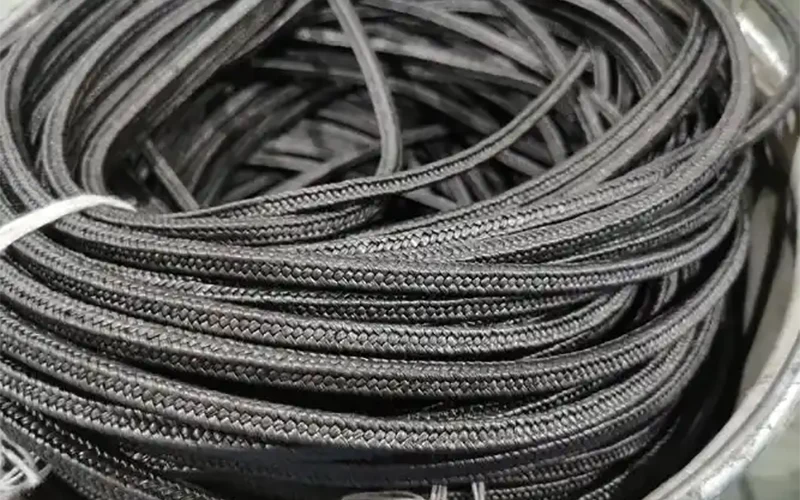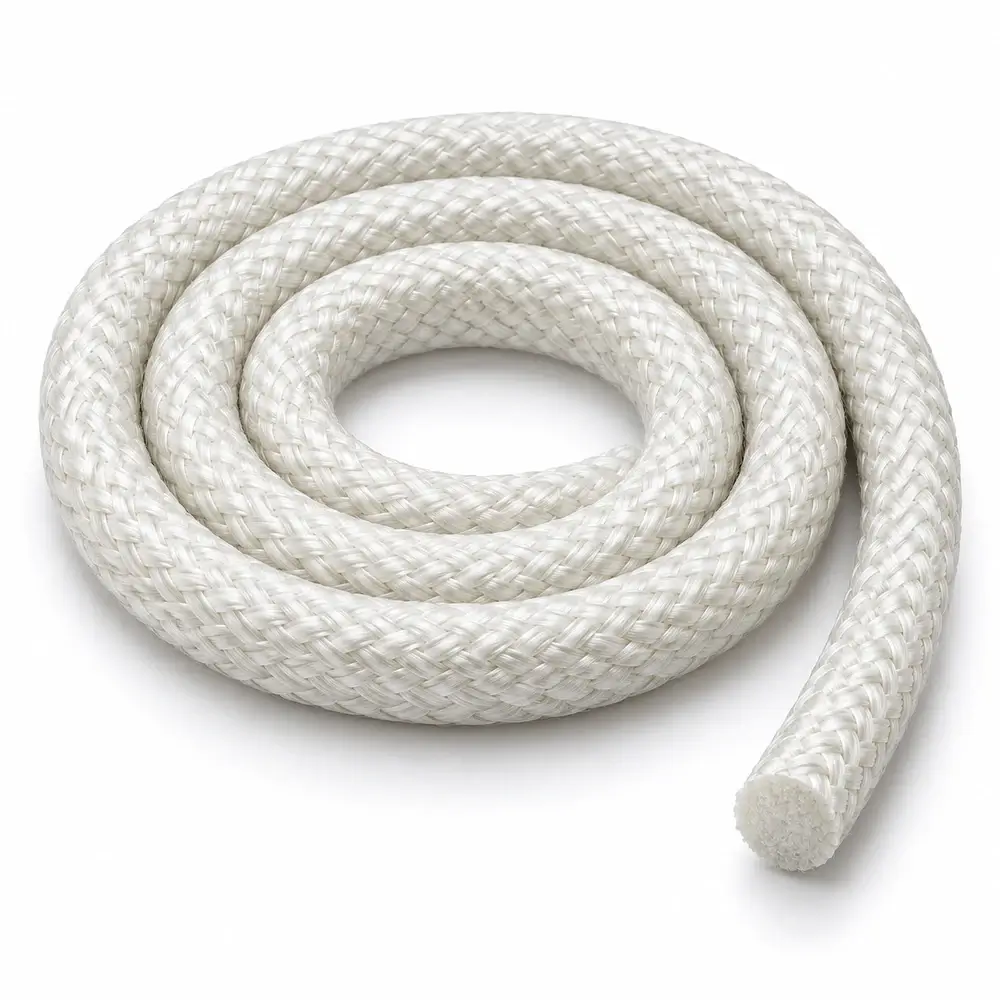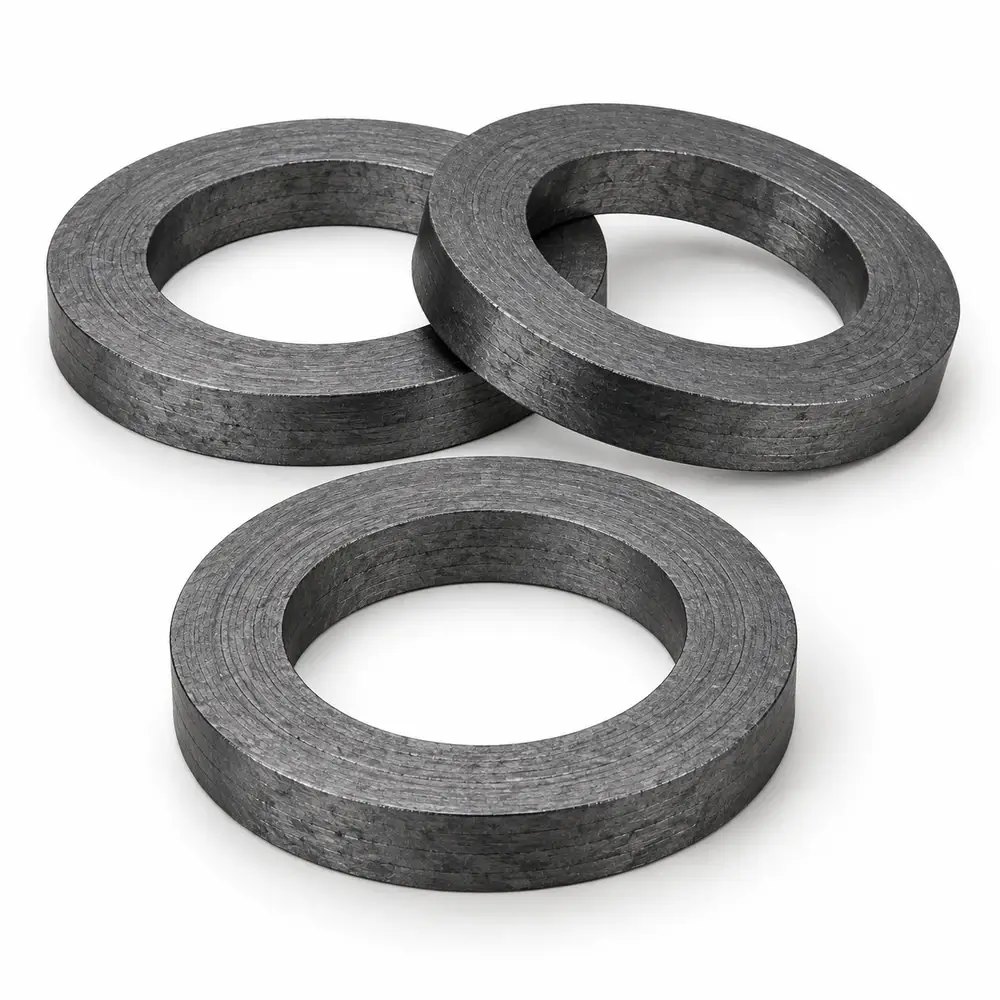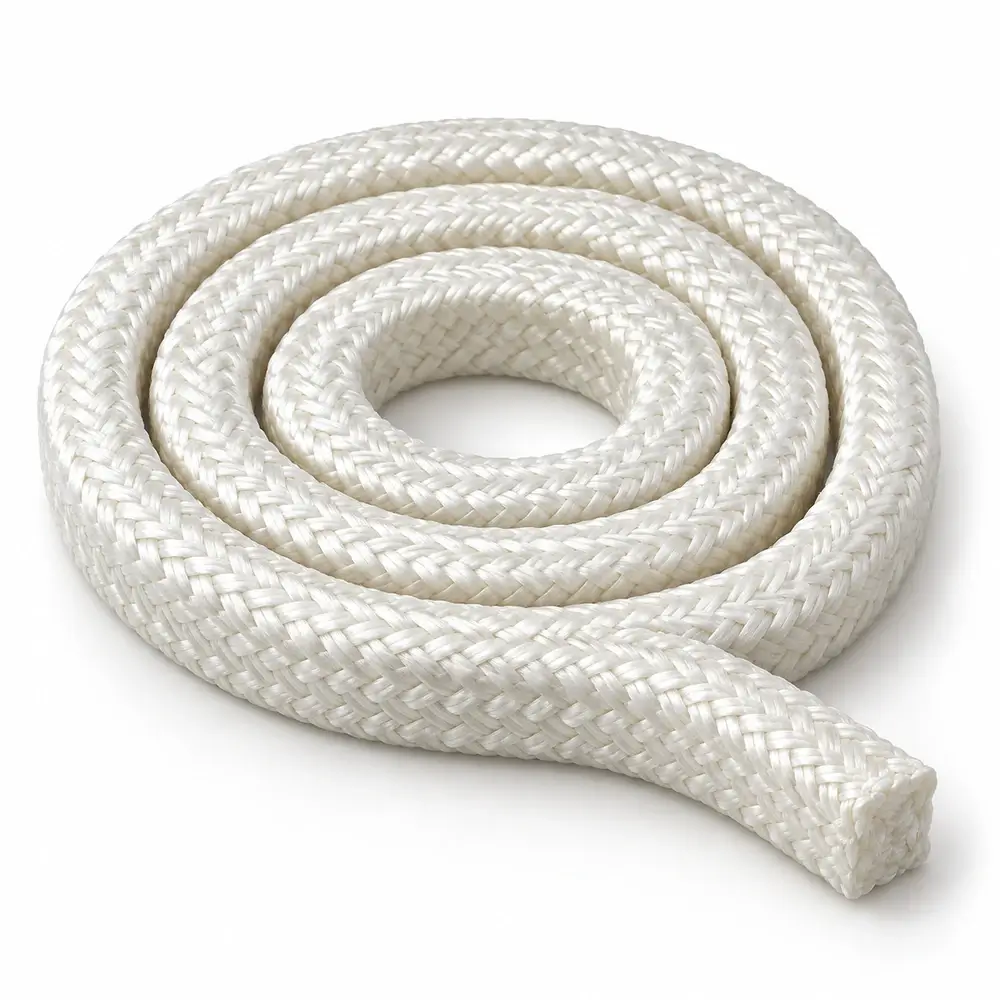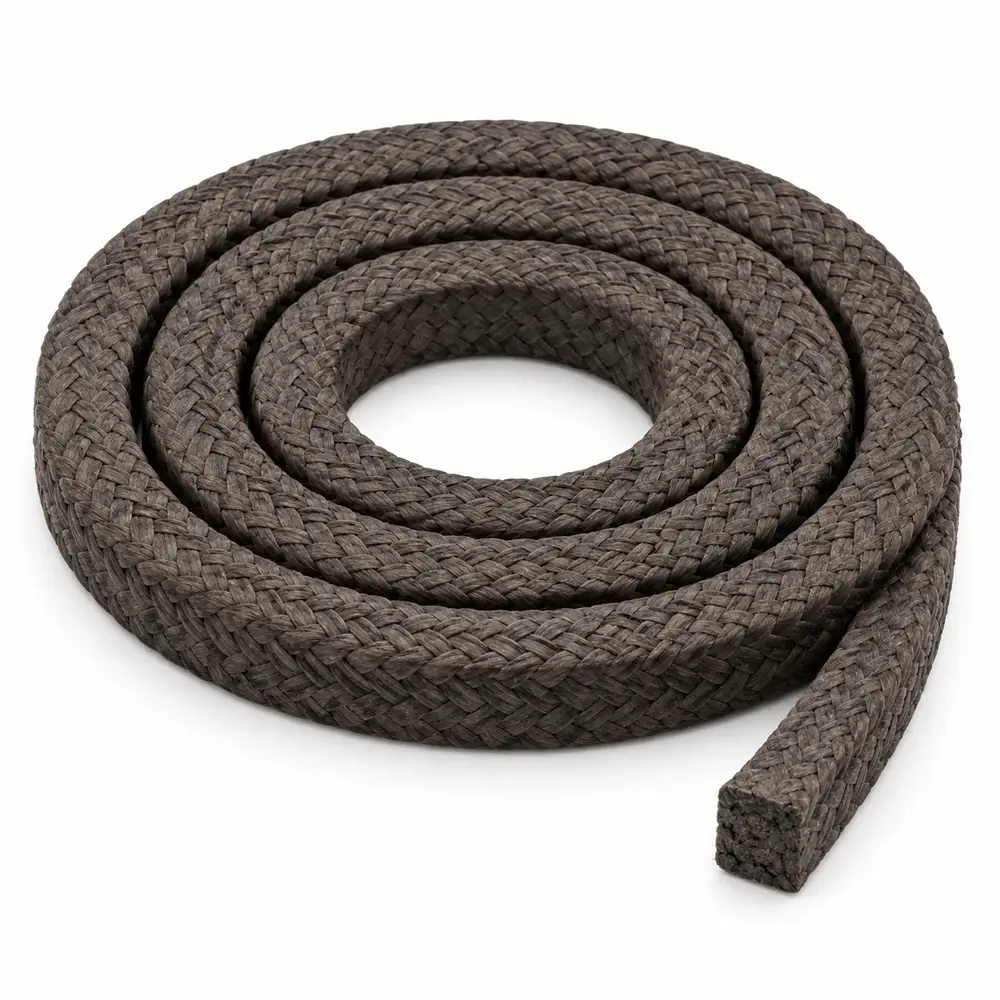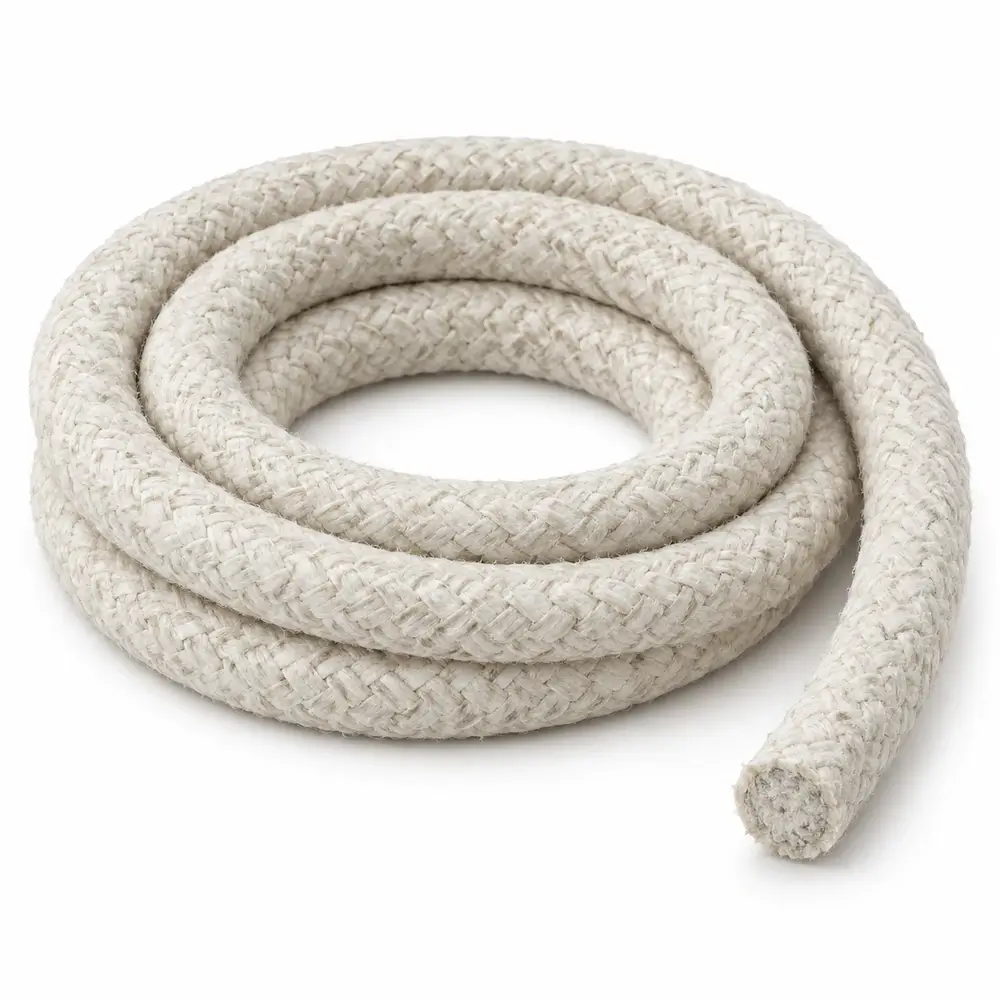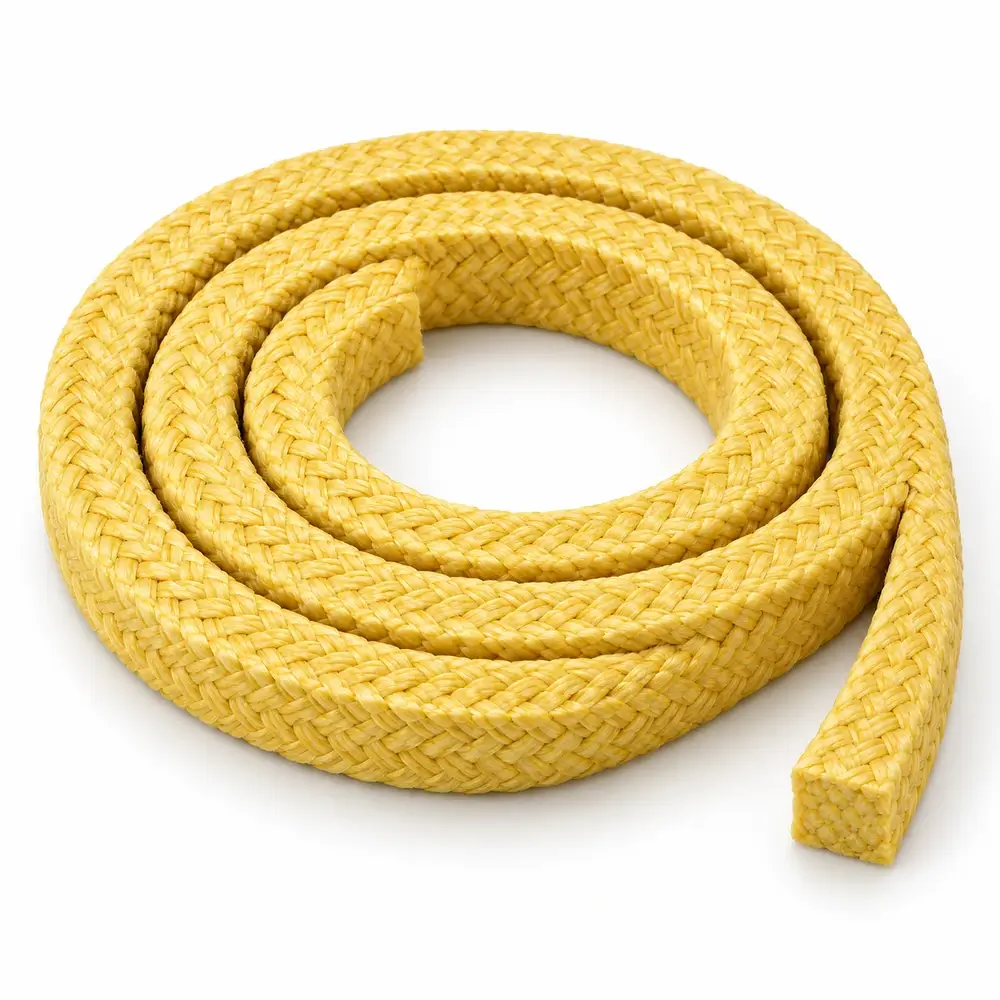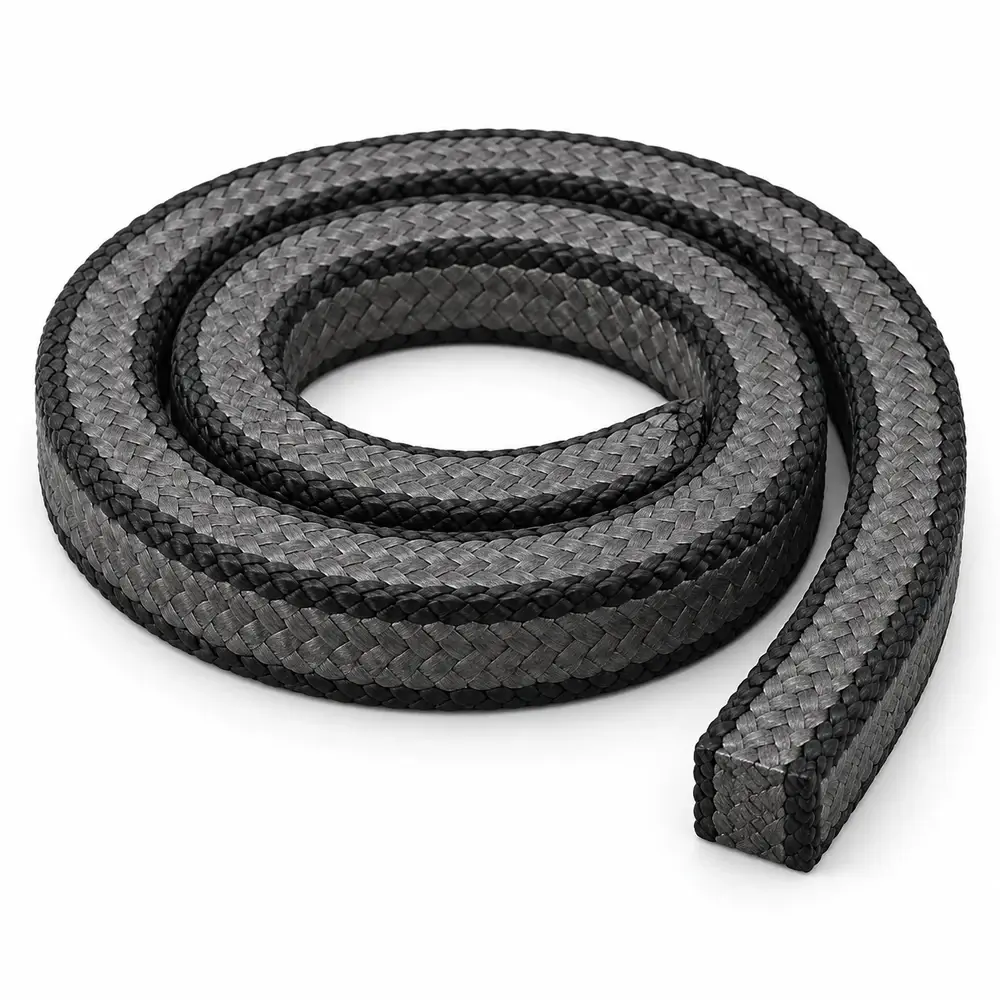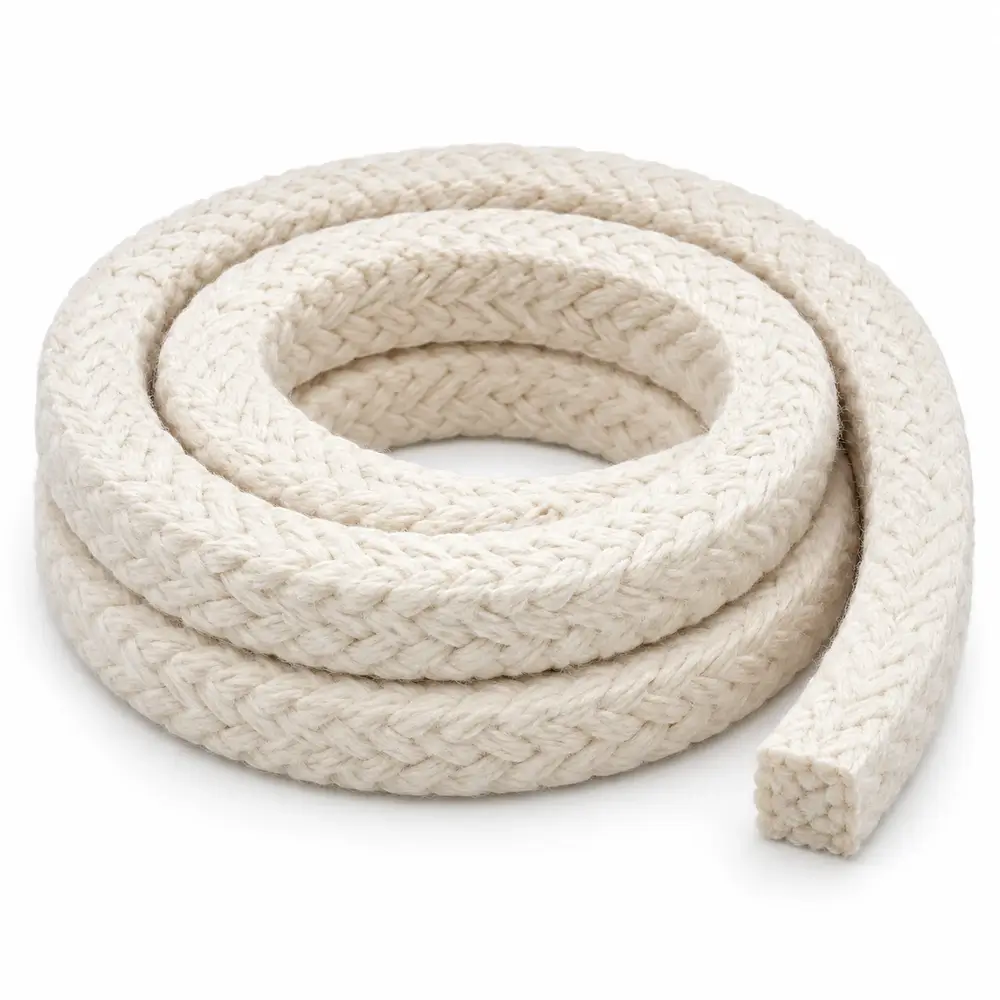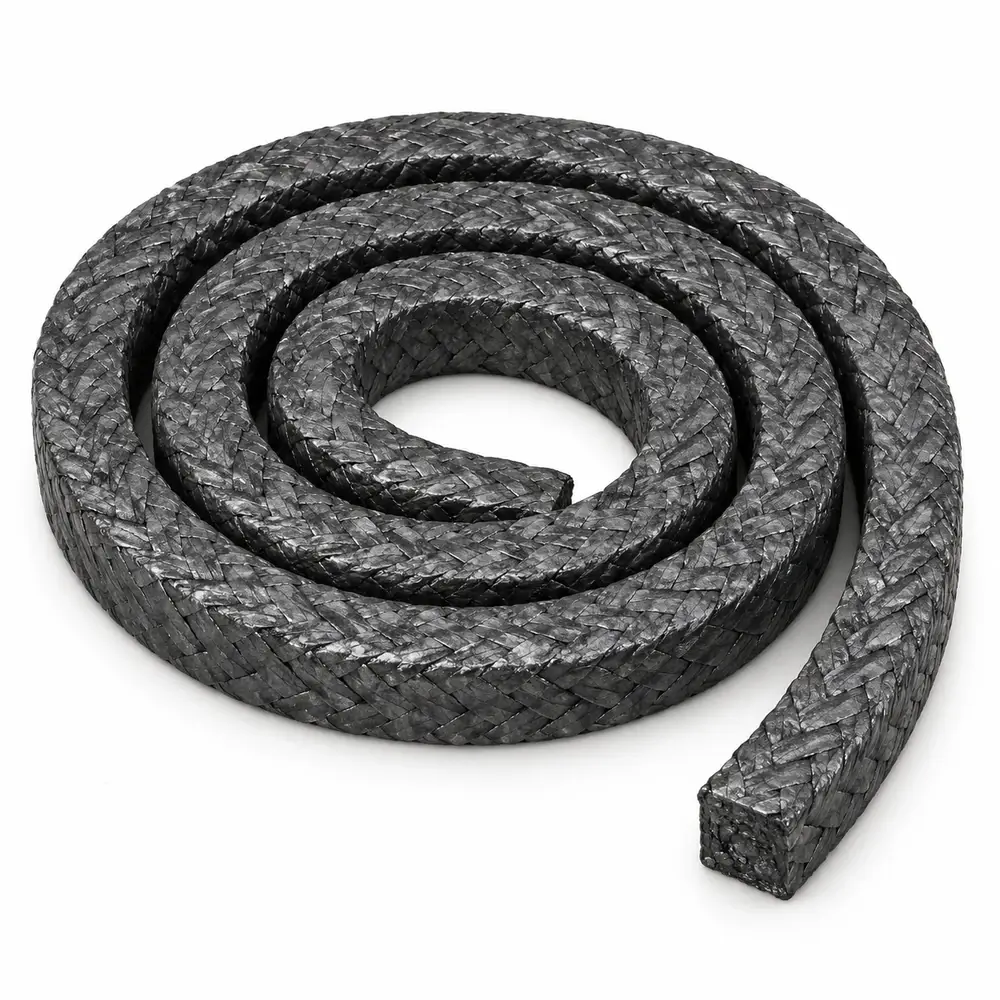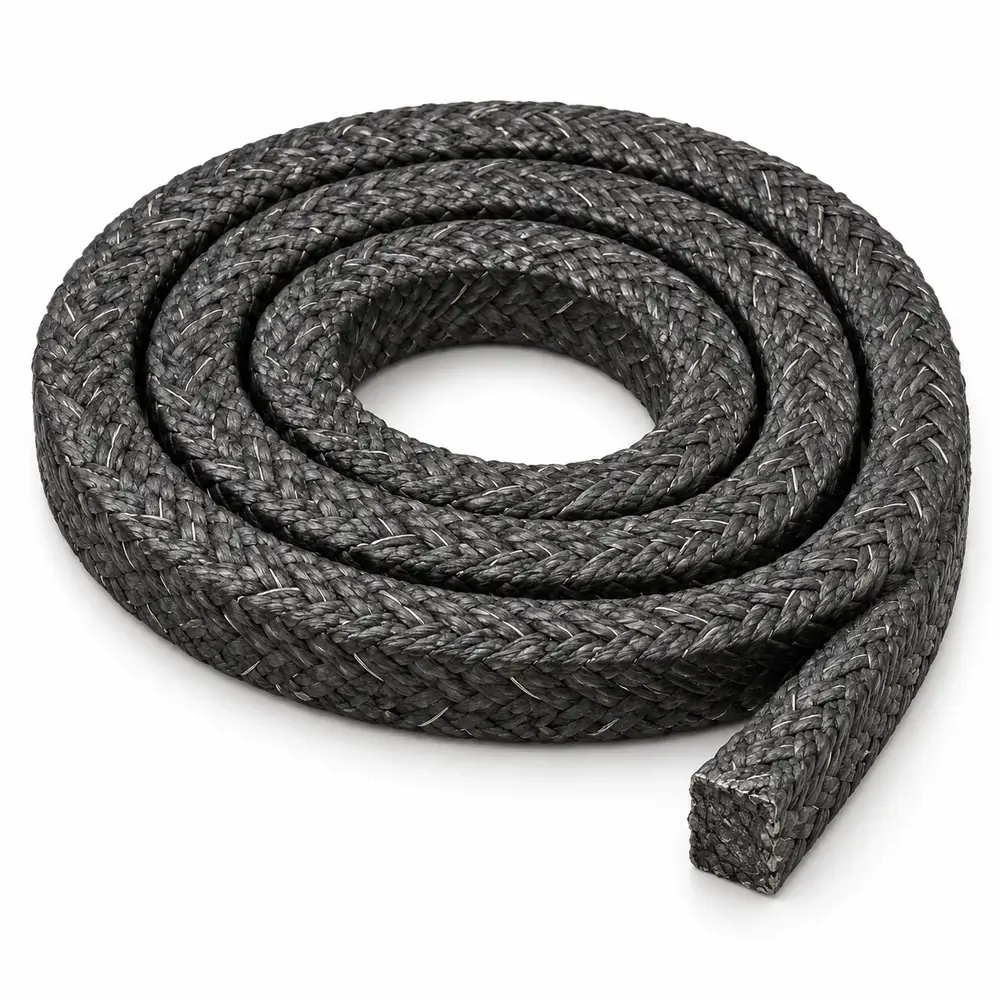

When a procurement team is comparing sealing consumables for a chemical plant turnaround, the first question is often not price but reliability: How long does graphite PTFE packing last? The honest answer is that no single number fits every pump or valve. Graphite PTFE packing is a composite compression packing that combines graphite's thermal stability and low friction with PTFE's chemical resistance and clean handling. In a well-selected application, many users plan on 6 to 18 months between repacks, while severe services may require inspection in 3 to 6 months and clean, low-speed applications can exceed 24 months. The real service life depends on media, temperature, pressure, shaft speed, surface finish, installation technique, and the quality of the braided structure. A procurement manager who buys only on lowest price may see early leakage, frequent gland adjustments, shaft wear, and unplanned downtime. Ningbo Kaxite Sealing Materials Co., Ltd. helps buyers avoid that cycle by matching graphite PTFE packing grade, braid architecture, lubrication, and size to the actual operating envelope. Instead of guessing, request operating data, review the packing specification, and use a supplier that can connect product selection with installation and maintenance guidance. This practical guide explains expected life, failure signals, parameter tables, and the questions to ask before you issue a purchase order.
Pain scenario: a maintenance planner approves a low-cost graphite PTFE packing for a hot-oil pump, then sees visible leakage and loose gland bolts within eight weeks. The pump is not necessarily the problem. The packing may be too soft for the pressure, the braid may be inconsistent, or the installation may have missed the correct cut angle and running-in procedure. Procurement teams feel this pain because emergency repacks consume budget, delay production, and create a paperwork trail of repeated purchase orders.
Solution: treat service life as a range tied to operating conditions, not as a fixed promise. A clean water pump running at moderate speed may last much longer than a chemical slurry valve with frequent cycling. For a realistic plan, buyers should request an application review before order release. Ningbo Kaxite Sealing Materials Co., Ltd. can compare media, temperature, pressure, shaft speed, and equipment condition against the selected graphite PTFE packing structure, then recommend an inspection interval rather than a blind replacement date.
| Service Condition | Typical Inspection Interval | Replacement Planning Note | Procurement Action |
|---|---|---|---|
| Clean water, low speed, steady temperature | 6 to 12 months | Many units can run beyond 12 months | Confirm shaft finish and gland adjustment procedure |
| General chemical pump, moderate pressure | 3 to 9 months | Media compatibility drives the range | Submit pH, concentration, and temperature data |
| Steam or hot-oil service | 3 to 6 months | Thermal cycling can loosen glands | Ask for high-temperature grade and installation guidance |
| Slurry, abrasive, or frequent cycling | 1 to 3 months | Inspection frequency matters more than purchase price | Review sleeve condition and consider upgraded packing |
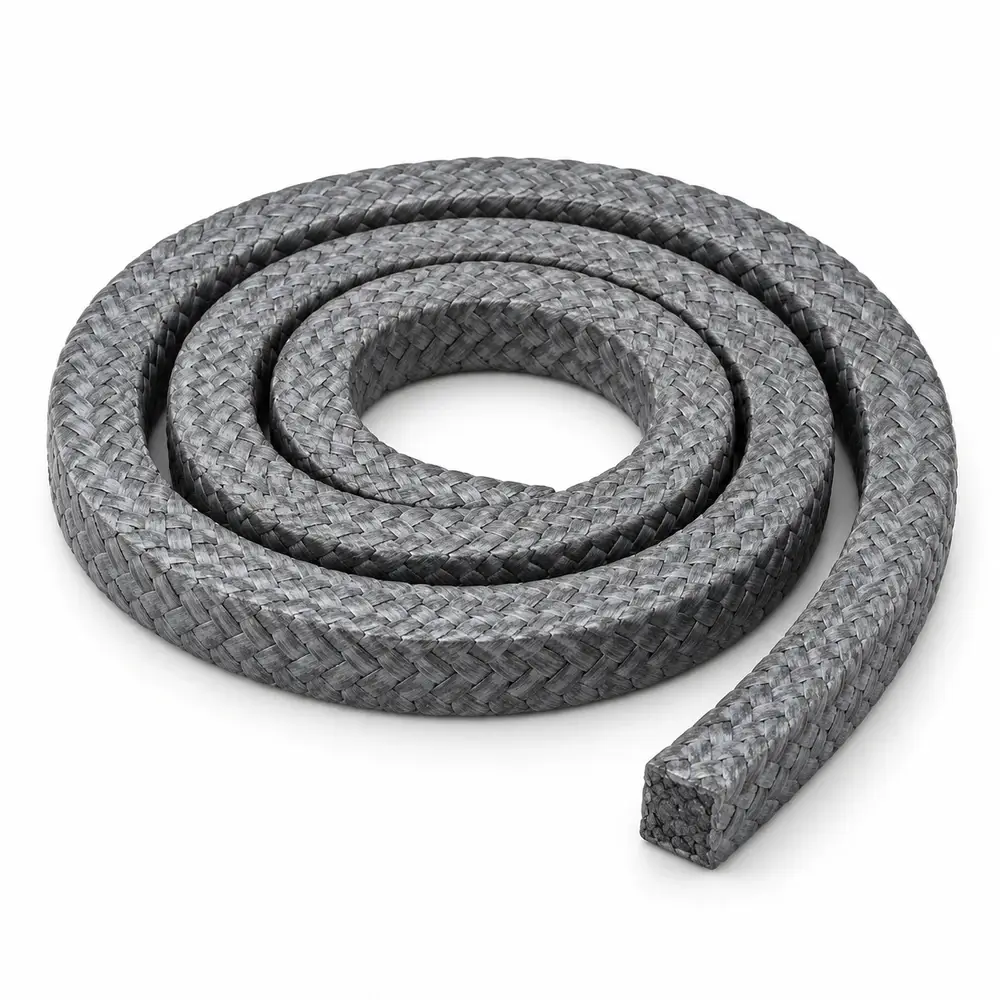
Procurement takeaway: the lowest unit price is not the lowest total cost if the packing requires repeated shutdowns. Ask for an expected inspection window, a spare-parts plan, and documented installation guidance with every quotation.
Pain scenario: a buyer receives a complaint that the new packing is “wearing out too fast,” but the warehouse has no record of shaft runout, gland pressure, or media concentration. Without data, every failure looks like a product defect. In reality, compression packing life is often shortened by oversized clearances, rough shaft surfaces, dry running, excessive gland torque, or the wrong packing size.
Solution: build a failure-signal checklist into the maintenance and purchasing workflow. When leakage appears, record the time in service, gland bolt position, shaft temperature, and media condition. Then compare the evidence with the packing specification. A supplier with sealing experience can separate an application issue from a product issue and recommend a practical correction before the next order is placed.
| Failure Signal | Likely Cause | Corrective Action | Buyer Check |
|---|---|---|---|
| Leakage soon after startup | Incorrect cut length or insufficient gland load | Recut rings, stagger joints, and follow running-in steps | Confirm installation training and ring size |
| Gland bolts loosen repeatedly | Thermal cycling or low-density braid | Review packing density and adjustment schedule | Ask for braid structure and density data |
| Shaft sleeve scoring | Abrasive media or excessive friction | Check sleeve finish and consider a different grade | Share shaft speed and media particles |
| Hard, glazed packing | Overheating or dry running | Improve flushing and verify temperature limit | Confirm continuous and peak temperatures |
| Extrusion from the stuffing box | Clearance too large or pressure too high | Use proper size and consider reinforcement | Provide box dimensions and pressure rating |
Pain scenario: an RFQ simply says “graphite PTFE packing, 10 mm” and invites three suppliers to quote. The prices look comparable, but the offers may use different braid patterns, lubricants, graphite content, and dimensional tolerances. The buyer later discovers that the cheapest option does not fit the pump or the chemical service, and the rework cost exceeds the original savings.
Solution: make the RFQ specific enough for a supplier to recommend the right product. Include equipment type, shaft or stem diameter, stuffing box dimensions, media, concentration, temperature, pressure, speed, and whether the service is continuous or cyclic. Ningbo Kaxite Sealing Materials Co., Ltd. uses these details to propose a suitable graphite PTFE packing and to flag any condition that needs a different sealing approach.
| RFQ Parameter | Example Entry | Why It Matters |
|---|---|---|
| Equipment type | Centrifugal pump or valve stem | Pump and valve packings see different motion and pressure cycles |
| Media | 20% caustic solution | Chemical compatibility affects PTFE grade and lubricant choice |
| Temperature | 120°C continuous, 150°C peak | Peak temperature can shorten service life quickly |
| Pressure | 8 bar | Pressure influences density, extrusion risk, and ring count |
| Shaft speed | 1,450 rpm | Friction heat rises with surface speed |
| Packing size | 10 mm square | Correct size prevents over-compression and leakage |
| Inspection plan | Monthly gland check | Early adjustment can extend usable life |
Pain scenario: two plants buy the same graphite PTFE packing. One reports more than a year of service; the other reports leakage in weeks. The difference is often installation discipline. Packing rings that are cut by twisting, hammered into the stuffing box, or installed without staggered joints can create leak paths before the equipment even reaches normal operation.
Solution: use a controlled installation sequence and document it. Measure the stuffing box, cut rings to the correct length around the shaft, stagger joints by 90 degrees, and tighten the gland gradually during running-in. A small amount of leakage is often needed to cool and lubricate the packing, but excessive tightening can cause overheating and glazing. Buyers should request installation instructions with the shipment and keep a simple record for each repack.
| Installation Checkpoint | Practical Guidance | Effect on Service Life |
|---|---|---|
| Stuffing box cleanliness | Remove old packing and inspect the sleeve | Prevents hidden leak paths and shaft damage |
| Ring cut | Cut squarely around a mandrel or shaft | Improves joint closure and pressure retention |
| Joint stagger | Rotate each ring joint about 90 degrees | Reduces direct leakage channels |
| Gland tightening | Adjust gradually during running-in | Controls friction heat and wear |
| Flushing or cooling | Confirm flow before long continuous runs | Prevents dry running and overheating |
Q: We use graphite PTFE packing on a steam valve and want to know how long does graphite PTFE packing last compared with our water pump application. What should we expect?
A: Steam service usually requires a more conservative inspection plan because thermal cycling can change gland load and accelerate wear. Graphite offers thermal stability, while PTFE contributes chemical resistance and low friction, but no packing should be judged only by material name. Check the steam temperature, pressure, cycling frequency, and whether condensate is present. A realistic plan is to inspect more often during the first month, then extend the interval only if leakage and gland temperature remain stable. For steam applications, buyers should confirm the recommended grade with Ningbo Kaxite Sealing Materials Co., Ltd. and keep a maintenance log so the next purchase is based on evidence rather than guesswork.
| Steam Factor | Procurement Question | Planning Impact |
|---|---|---|
| Temperature cycling | How often does the valve cycle? | More cycling may require shorter inspection intervals |
| Condensate | Is wet steam present? | Affects lubrication and wear behavior |
| Pressure | What is the maximum pressure? | Higher pressure can increase extrusion risk |
Q: Our team wants a better answer to how long does graphite PTFE packing last before we approve the next annual purchase. What data should we collect from the equipment?
A: Collect the same data every time so trends become visible. Record media, concentration, temperature, pressure, shaft speed, packing size, gland adjustment history, leakage rate, and time in service. Photos of the removed packing and shaft sleeve are also useful. If the same pump repeatedly needs repacking in less than three months, the issue may be shaft runout, clearance, abrasive particles, or incorrect installation rather than the packing itself. Ningbo Kaxite Sealing Materials Co., Ltd. can review this information and help buyers choose a grade and inspection schedule that fit the actual duty.
| Data Record | Why Collect It | How It Improves Buying |
|---|---|---|
| Time in service | Shows real replacement frequency | Supports accurate spare-parts planning |
| Leakage trend | Reveals whether adjustment is effective | Prevents premature replacement |
| Gland temperature | Indicates friction or cooling problems | Guides grade and installation changes |
| Removed packing photo | Shows glazing, extrusion, or wear pattern | Helps the supplier diagnose root cause |
Pain scenario: a buyer needs a reliable sealing supplier, but the current vendor sends only a price list and a generic data sheet. When leakage appears, the buyer is left to coordinate between maintenance, operations, and purchasing with no technical support. This is a common frustration for procurement staff who are measured on cost, delivery, and uptime at the same time.
Solution: work with a supplier that can connect product selection to real equipment conditions. Ningbo Kaxite Sealing Materials Co., Ltd. supports buyers with application review, packing size confirmation, material grade recommendations, quotation documentation, and practical installation guidance. The goal is not to sell more packing; it is to help the buyer choose a graphite PTFE packing that fits the pump or valve, reduce avoidable repacks, and build a predictable maintenance plan.
| Buyer Need | Kaxite Support | Practical Outcome |
|---|---|---|
| Confirm the right grade | Review media, temperature, pressure, and speed | Better fit between packing and service |
| Reduce emergency purchases | Recommend inspection intervals and spare quantities | More predictable stock planning |
| Support maintenance teams | Provide installation and running-in guidance | Fewer installation-related failures |
| Document supplier performance | Help define data to record after each repack | Clearer comparison between suppliers |
Ready to make the next RFQ easier to evaluate? Share your equipment type, media, temperature, pressure, shaft speed, and packing size with the team, and ask for a graphite PTFE packing recommendation plus an inspection plan. Clear input leads to a clearer quotation and fewer surprises after delivery.
Ningbo Kaxite Sealing Materials Co., Ltd. is a sealing materials supplier focused on practical packing and sealing solutions for pumps, valves, and industrial equipment. The company helps procurement teams and maintenance engineers select suitable products, confirm dimensions, and solve leakage and service-life questions with application-based guidance. Learn more at https://www.vegetable-fiber-packing.com or contact [email protected] to discuss your operating conditions and request a quotation.
Flitney, R. K. (2007). Sealing technology in the process industries. Sealing Technology, 2007(7), 8–11.
Nau, B. S. (1999). Gland packing practice for rotating equipment. Tribology International, 32(6), 321–329.
Kanzaki, T., & Yamaguchi, Y. (2003). Friction and wear of PTFE composites under dry sliding. Tribology International, 36(4–6), 323–329.
Blanchet, T. A., & Kennedy, F. E. (1992). Sliding wear of PTFE composite materials. Wear, 152(2), 359–370.
Friedrich, K., Lu, Z., & Häger, A. M. (1995). Wear of PTFE composites. Journal of Materials Science, 30(19), 4761–4768.
Unal, H., & Mimaroglu, A. (2006). Wear behaviour of PTFE composites. Materials & Design, 27(8), 694–699.
Jia, J., Chen, J., Zhou, H., & Hu, L. (2005). Comparative study of graphite and PTFE packings. Tribology Letters, 20(2), 153–159.
Muthukumar, N., & Rajasekaran, S. (2010). Performance evaluation of braided gland packings. Journal of Engineering Tribology, 224(8), 785–793.
Kim, S. S., & Jang, H. (2008). Leakage and friction of compression packings. Sealing Technology, 2008(4), 6–10.
Zhang, Y., Wang, X., & Li, Q. (2014). Thermal stability of graphite-filled PTFE composites. Polymer Composites, 35(6), 1120–1128.